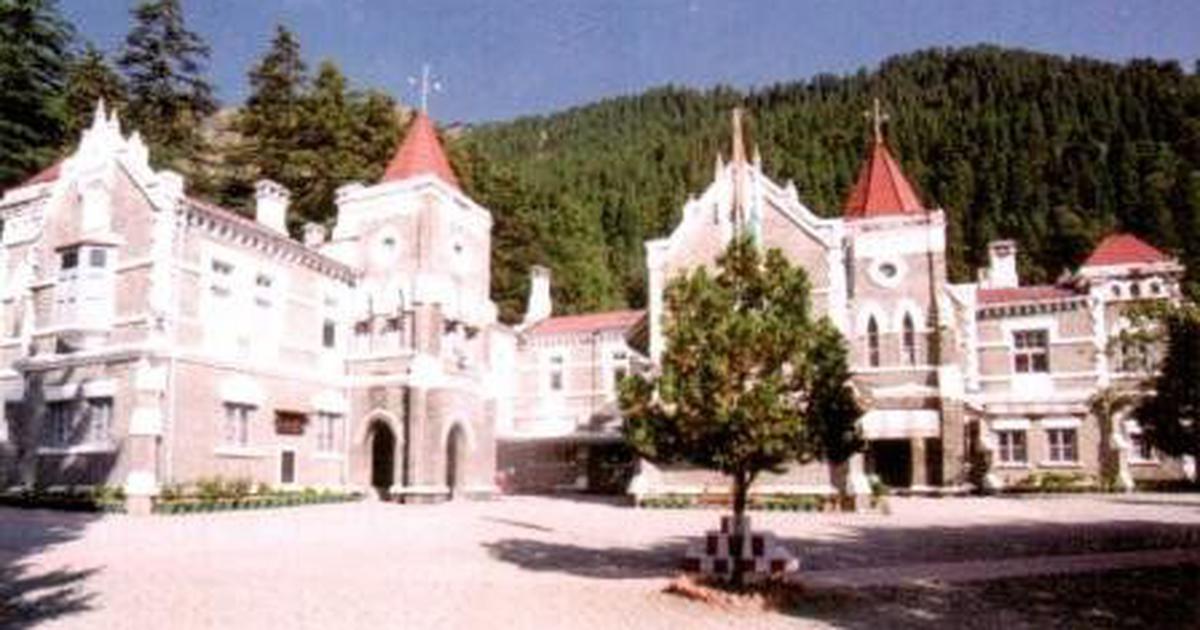
In a notable development, the Uttarakhand High Court has placed restrictions on Deepak Kumar, a gym owner who recently stood up against the harassment of an elderly Muslim shopkeeper, Vakeel Ahmed, by alleged members of the Bajrang Dal. The court’s decision, delivered by Justice Rakesh Thapliyal, prohibits Kumar from making any public comments or sharing posts on social media regarding the ongoing investigation connected to the harassment incident.
The case traces back to January 26 when members of the Bajrang Dal reportedly confronted Ahmed in Pauri Garhwal district for using the term “Baba” in the name of his shop. Kumar, alongside another individual, Vijay Rawat, intervened, condemning the mob’s actions and advocating for Ahmed’s right to operate his business without fear. However, their intervention soon backfired, resulting in FIRs against both Kumar and Rawat later that month.
In a recent petition, Kumar sought to have the FIRs dismissed and requested police protection, along with a departmental inquiry against the local police for their alleged inaction against hate crimes. The High Court, however, was not sympathetic to Kumar’s pleas. The judge criticized him for “sensationalizing” the issue while simultaneously being embroiled in a legal case, raising questions about how he could ask for protection amidst allegations against him.
Justice Thapliyal emphasized the potential risk Kumar’s frequent social media posts could pose to the integrity of the ongoing investigation. The court’s criticism of Kumar was further highlighted by references to his social media activity, where he has been sharing videos and commentary, which the judge deemed inappropriate given the sensitive nature of the case. This led to a clear directive barring him from any future posts related to the matter.
This incident has sparked widespread discussions about communal tensions in India, especially in light of recent patterns of harassment against minorities. Kumar’s case underlines the complexities surrounding freedom of expression, particularly when it intersects with ongoing criminal investigations and communal harmony. As the situation develops, it remains to be seen how this case will unfold and what implications it may have for both Kumar and the broader discourse on minority rights in India.