Varanasi Municipal Corporation to Relocate Meat and Fish Shops to Outskirts Amid Controversy
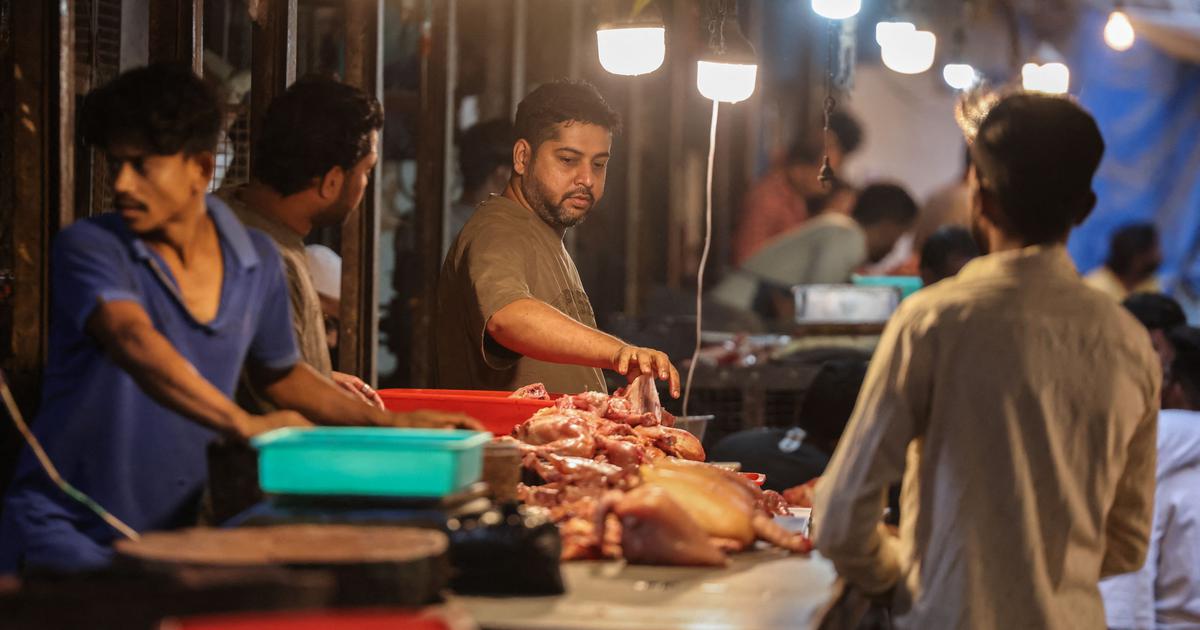
The Varanasi Municipal Corporation in Uttar Pradesh has made a significant decision to relocate meat and fish shops to the outskirts of the city. The proposal, which has been approved by the municipal authorities, aims to enhance sanitation and streamline the operations of these markets. Currently, there are approximately 350 to 400 meat and fish shops within the city limits, as confirmed by Sandeep Srivastava, the Public Relations Officer for the corporation.
During a recent meeting of the governing body, Municipal Commissioner Himanshu Nagpal outlined the plan to shift these shops to five designated locations: Ramnagar, Sujabad, Ganeshpur, Avleshpur, and Shivpur. Officials have indicated that this move is intended to ensure that consumers continue to have access to meat and fish while improving overall hygiene standards in the city.
However, this decision has ignited a wave of criticism from the Congress party, which argues that the relocation is unconstitutional and undermines the fundamental right to livelihood. Shahnawaz Alam, the Congress national secretary, has voiced concerns that such a policy could significantly impact the livelihoods of many individuals who depend on these shops for their survival. He described the move as part of an agenda to impose uniformity on Hindu society, thereby marginalizing those who do not conform to it.
This is not the first instance of such actions in Varanasi. Recently, the municipal corporation also closed a long-standing goat market in the city, citing issues of overcrowding and poor sanitation. This closure, which occurred just ahead of Bakrid—also known as Eid al-Adha—has raised eyebrows among local communities, especially since the festival holds significant importance for many Muslims. The timing of these decisions has led some to speculate about the motives behind them, further fueling tensions in an already complex socio-political landscape.
The relocation of meat and fish shops could have broader implications for the city’s demographics and cultural fabric. Varanasi, known for its rich history and vibrant culture, is also home to a diverse population that includes individuals from various religious and ethnic backgrounds. Critics argue that such actions could further isolate sections of society and exacerbate existing divides.
As the municipal corporation prepares to implement this plan, it remains to be seen how it will unfold and what impact it will have on the residents of Varanasi. Will the authorities be able to strike a balance between cleanliness and the rights of their citizens? Only time will tell, but the controversy surrounding this decision certainly highlights underlying societal tensions that continue to challenge the fabric of Indian democracy.