




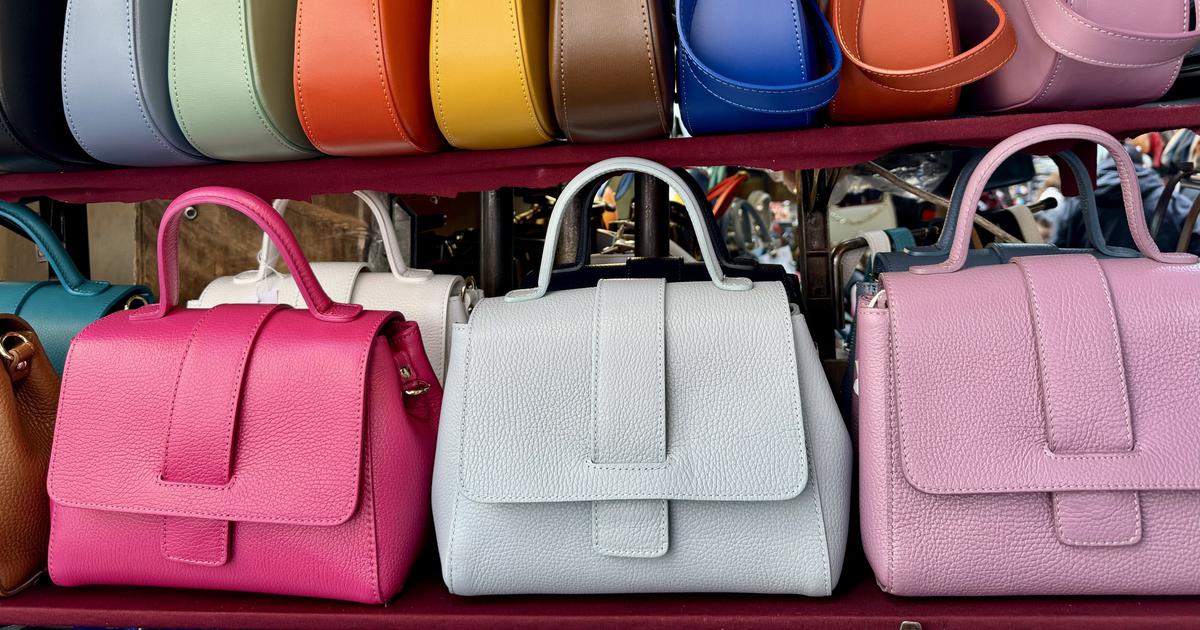
In the world of luxury fashion and high-end automobiles, the term “vegan leather” is increasingly becoming synonymous with sophistication and ethical consumerism. For many, this innovative alternative promises the aesthetic appeal and tactile pleasure of traditional leather without the ethical implications associated with animal cruelty. While brands are enthusiastically abandoning animal hides in favor of vegan alternatives, the narrative surrounding these materials is more nuanced than it appears.
The growing demand for vegan leather is primarily driven by heightened awareness regarding animal welfare, climate change, and deforestation. Shoppers today are leaning towards choices that reflect their values, often seeing vegan leather as a more responsible option. However, this perception may overlook the underlying complexities associated with the production and disposal of these materials.
It’s essential to understand that vegan leather is not a singular product but rather a collective term encompassing a variety of materials, from plastic-based coatings to innovative plant-derived surfaces. This diversity has prompted regulatory bodies to question the vague environmental claims made by manufacturers, who often tout their products as green without adequate transparency.
The history of synthetic leather dates back decades, where it was commonly known as “pleather” or vinyl. Recent advancements in technology have significantly improved the quality of these materials, transforming thin plastic films into convincing alternatives to genuine leather. Most modern vegan leathers are composed of polyurethane (PU) or polyvinyl chloride (PVC), both of which are derived from petroleum. While these materials offer advantages such as water resistance and ease of embossing, their environmental footprint is concerning.
As the conversation around sustainability intensifies, Indian consumers must critically evaluate the longevity and disposal issues associated with vegan leather products. Unlike traditional leather, which can age and develop a unique patina over time, many synthetic alternatives may not have the same durability. Consequently, they may end up in landfills sooner than expected, contributing to a growing pollution crisis.
Furthermore, the production process of these vegan leathers often involves substantial energy consumption and harmful emissions, raising questions about their overall environmental impact. Brands promoting vegan leather must take responsibility for their entire supply chain, from sourcing raw materials to ensuring responsible disposal methods.
For India, a country rich in textile heritage and craftsmanship, there is an opportunity to redefine the narrative around leather alternatives. By investing in innovative plant-based materials and promoting traditional techniques that prioritize environmental stewardship, the Indian fashion industry can lead the way in creating truly sustainable options.
In conclusion, while vegan leather may initially appear as a better choice for consumers aiming to make ethical purchasing decisions, a deeper examination reveals significant environmental implications. As awareness grows, it is imperative for consumers, brands, and regulators alike to engage in transparent discussions regarding the true cost of these materials. The path towards sustainability in the fashion industry is complex, but with informed choices and innovative solutions, it is possible to reduce our ecological footprint.

