In the bustling neighborhoods of Cement Colony, YM Shalla, Chickpet, and the narrow alleys of Banashankari in Bengaluru, the quest for water shapes the daily lives of residents. The morning routine is often marked by an urgency that reflects the harsh reality of limited water supply. Swati, a young girl from the area, expressed the struggles many face: “Around 11 am, water starts coming, and for the next two hours, until about 1 pm, I’m usually stuck there. Sometimes I even miss my breakfast and end up eating much later.”
As the clock ticks towards the anticipated hour, residents prepare for the arrival of water, lining up plastic buckets, steel pots, and water bottles in a display of hope and necessity. The municipal pipeline delivers a valuable resource, yet its flow is fraught with unpredictability. On any given day, some streets receive water while others do not, and even when it does flow, it’s often a trickle. Undeterred, locals employ small motors to extract and store as much as they can, often relying on their neighbors for assistance to ensure that no drop goes to waste.
Typically, water is stored in blue drums placed strategically outside each home. To manage this shared resource, households contribute a nominal monthly fee, creating a system of communal reliance. Interestingly, even homes that have individual pipeline connections cannot always count on a steady supply. This has fostered a culture of collaboration, where neighbors help each other in managing water access and usage.
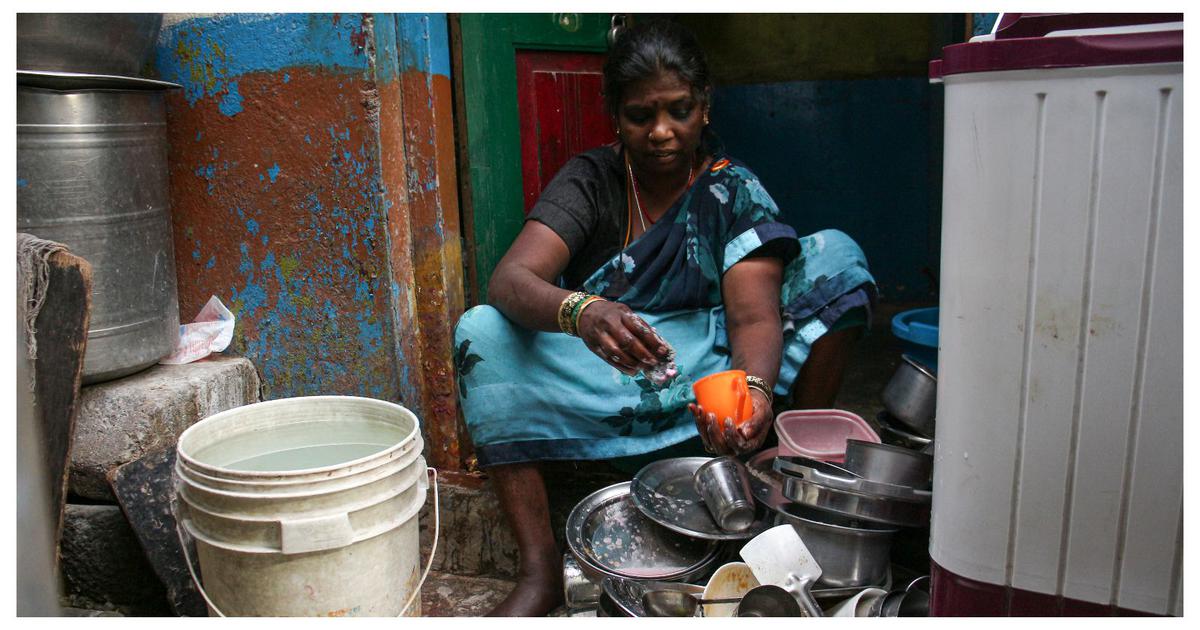
Within these homes, the responsibility of water management predominantly falls on women and girls. They often find themselves waiting in lines, hauling heavy containers, and meticulously planning how to ration water for their families. This critical role highlights the gender dynamics at play in water scarcity, where women bear the brunt of both the physical labor and the logistical challenges of securing daily necessities. Their resilience and resourcefulness shine through as they adapt to the erratic supply and strive to maintain some semblance of normalcy.
The struggle for water in Bengaluru is not just a tale of scarcity; it encapsulates broader themes of inequality and social justice. As urban areas expand and populations soar, access to essential resources like water becomes a pressing issue. The disparities in water distribution reflect deeper systemic problems that affect the lives of countless individuals, particularly in marginalized communities. The voices of residents like Swati serve as a poignant reminder of the urgent need for sustainable solutions to ensure equitable access to water for all.