




West Bengal Government Establishes Holding Centres for Undocumented Migrants and Foreign Prisoners
The West Bengal government, led by the Bharatiya Janata Party, has initiated a significant move in addressing the issue of undocumented immigrants by announcing the establishment of ‘holding centres’ across the state. This directive, which surfaced on Friday, aims to detain alleged foreign nationals and released prisoners pending their deportation or repatriation.
The order was disseminated by the Home and Hill Affairs Department, reaching district magistrates, the director general of police, and senior police officials, along with the Foreigner Regional Registration Office in Kolkata. The directive is in alignment with the guidelines issued by the Union Home Ministry concerning the deportation processes for Bangladeshi nationals and Rohingya refugees found residing in the country without proper documentation.
In a formal communication sent to all district magistrates, the state authorities have urged immediate action to set up these holding centres. The letter emphasizes the need for district-level initiatives to ensure that apprehended foreigners, along with released foreign prisoners awaiting their deportation or repatriation, are appropriately housed. This move is part of a broader strategy aimed at curbing illegal immigration, which has become a contentious issue in the state and beyond.
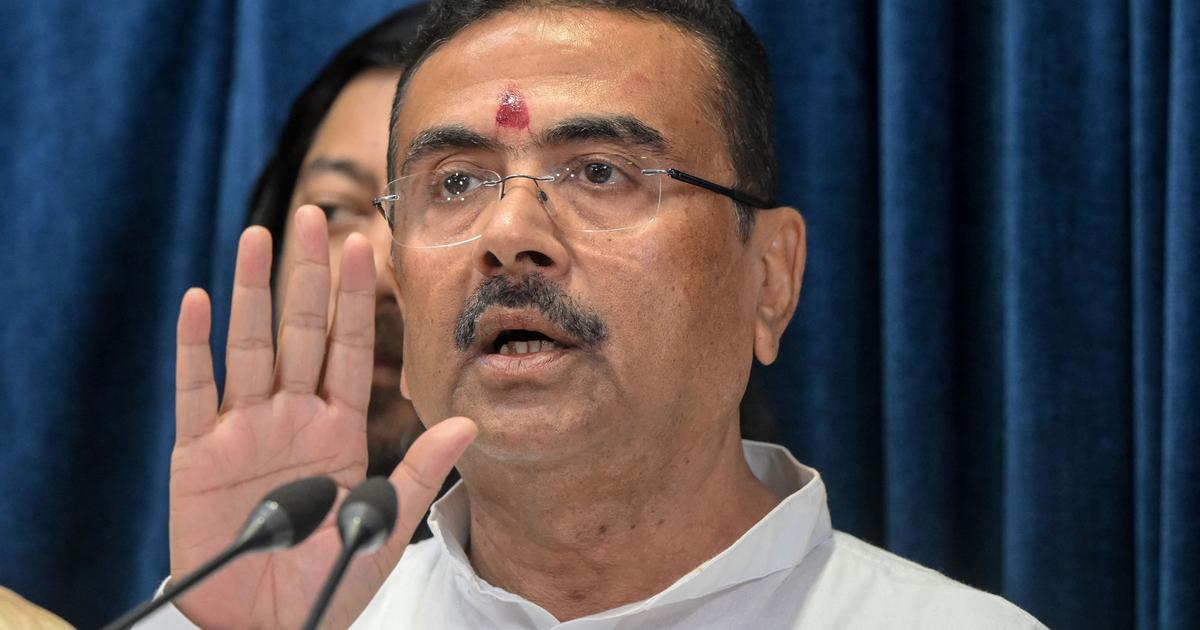
Chief Minister Suvendu Adhikari previously articulated a robust strategy titled “detect, delete, and deport” on May 20, focusing on tackling the presence of undocumented migrants in West Bengal. This approach reflects the government’s commitment to stringent immigration policies that align with national security concerns. The Chief Minister’s remarks underscore the urgency and seriousness with which the current government views the situation of illegal immigrants.
The establishment of these holding centres comes amid ongoing debates about immigration and the treatment of refugees in India. Human rights activists have raised concerns about the implications of such measures, particularly for vulnerable populations like the Rohingya, who have faced persecution in their home country. The government’s actions are likely to be scrutinized closely as they navigate the delicate balance between national security and humanitarian obligations.
As the government moves forward with these initiatives, the impact on local communities and the social fabric of West Bengal remains to be seen. The implementation of these centres is expected to spark discussions on immigration policies, human rights, and the responsibilities of the state in providing refuge to displaced people. With the political landscape rapidly evolving, all eyes will be on how effectively the government can manage these pressing issues while maintaining public support and adhering to legal frameworks.

