West Bengal Releases Third Supplementary Voter List Amid Ongoing Electoral Roll Controversies
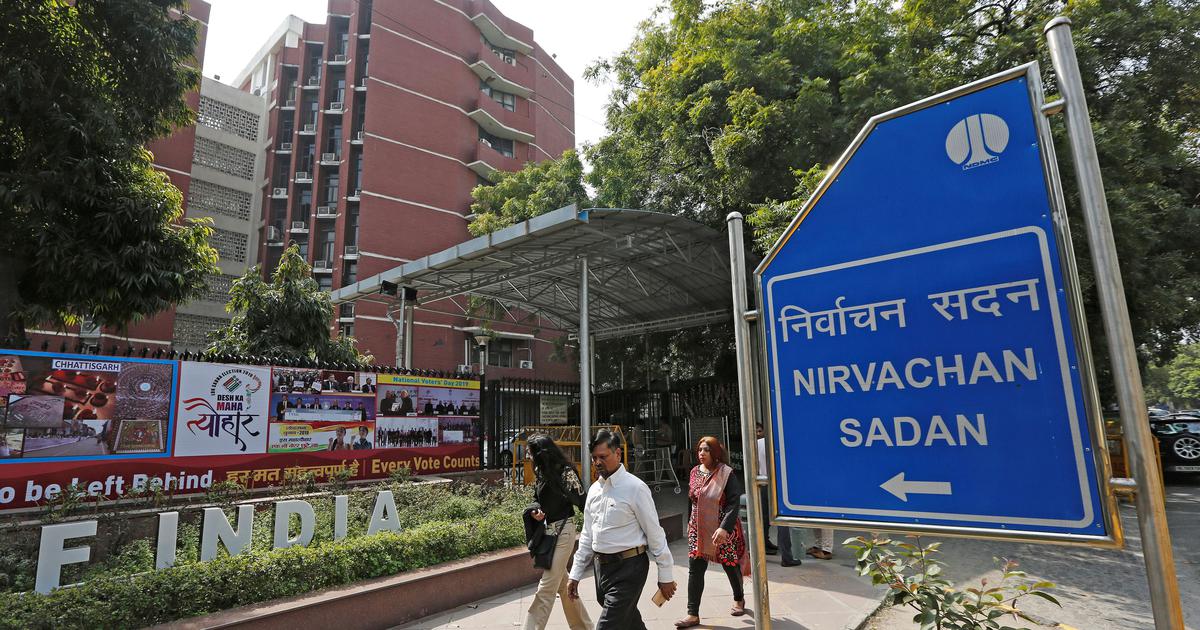
The Election Commission of India took a significant step in the electoral process of West Bengal by releasing the third supplementary voter list over the weekend. This update comes as part of their special intensive revision exercise aimed at refining the electoral rolls in anticipation of the upcoming elections in the state. However, the details surrounding the changes in voter status remain ambiguous, raising eyebrows among political observers and voters alike.
According to reports from PTI, the Commission failed to disclose the specific number of cases resolved in the latest supplementary list, nor did they specify how many voters were either added or removed from the electoral rolls. The newly updated lists were made accessible on the Election Commission’s website at approximately 11:30 pm, but without clarity on these critical figures, many residents are left questioning the integrity of the electoral process.
The context of this exercise is essential, as the first supplementary list was made public on March 23, covering around 10 lakh cases, while the second list accounted for about 21 lakh. An anonymous official from the Election Commission highlighted that the data concerning the additions or deletions of voters from the first two lists was also not provided. Such omissions could potentially undermine public confidence in the electoral reform process.
Manoj Agarwal, the Chief Electoral Officer of West Bengal, has earlier indicated that individuals whose names have been excluded from the electoral rolls will have the opportunity to challenge these decisions. Appellate tribunals, which are to be established by the Calcutta High Court, will oversee these challenges, providing a platform for grievances. This legal recourse aims to ensure that the electoral rights of citizens are protected, particularly in a politically charged state like West Bengal.
West Bengal is one of twelve states and Union Territories currently undergoing a special intensive revision of electoral rolls. Notably, the final electoral roll published on February 28 revealed that over 61 lakh voters had been excluded, a staggering figure that has implications for political engagement and representation. This revision process is critical, especially considering that there are still around 60 lakh cases categorized as “doubtful and pending.” Such pending statuses create uncertainty as the state approaches a vital period of democracy.
As the electoral landscape continues to evolve, transparency in the voter list updates and the reasons behind any deletions are crucial. The integrity of the electoral process is foundational to democracy, and voters are right to demand clarity on such pivotal issues. As the state gears up for elections, the call for transparency becomes even more pronounced, echoing the sentiments of a populace keen on ensuring their voices are heard in the democratic process.