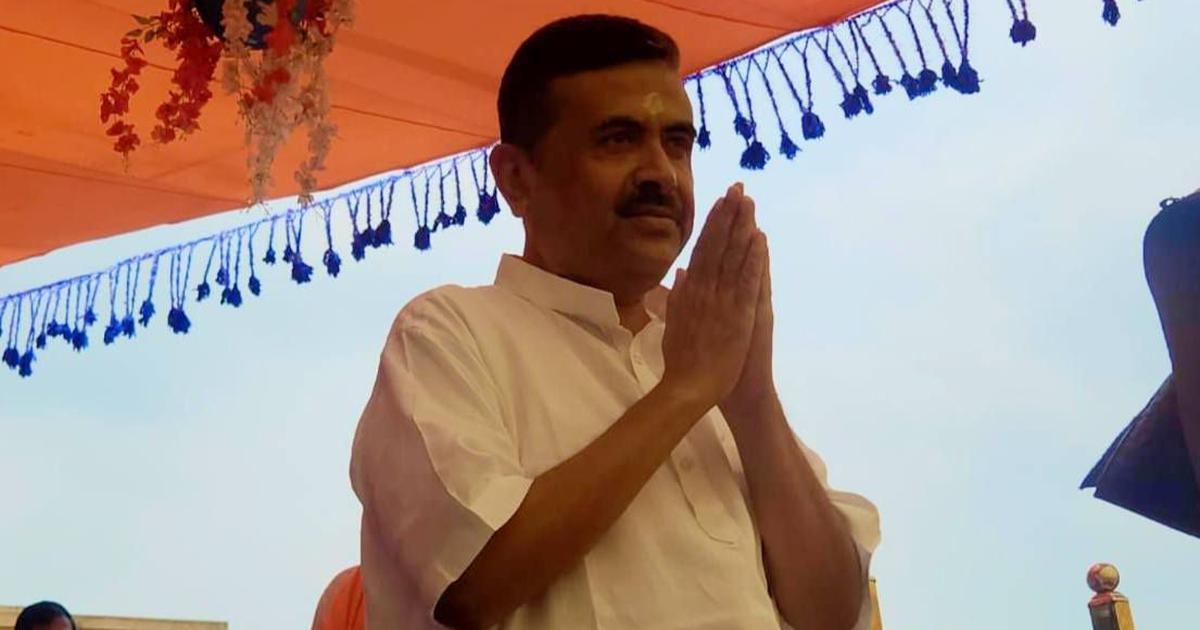
The West Bengal government has taken a significant step by mandating that all state-run and state-aided schools must sing ‘Vande Mataram’ during their morning assemblies. This directive, reported by The Telegraph, is aimed at fostering national pride and unity among students. While the School Education Department issued a communication stating that the mandate would take effect immediately, Chief Minister Suvendu Adhikari confirmed that implementation is set to commence from May 18.
Under this new directive, every student is required to participate in the singing of the national song at the beginning of the school day. School heads have been instructed to ensure strict adherence to this order, with the intention of instilling a sense of patriotism among the youth. An official from the School Education Department revealed that institutions are also expected to document the singing sessions, including video recordings, to serve as proof of compliance.
Traditionally, West Bengal schools have only sung the national anthem, ‘Jana Gana Mana’, during morning assemblies. The previous government, led by the Trinamool Congress, had previously introduced the state song, ‘Banglar Mati Banglar Jol’, into the morning routine. This new policy raises questions among educators and parents alike, particularly regarding logistics. Swapan Mandal, from the Bengal Teachers’ and Employees’ Association, expressed uncertainty about whether the three songs would need to be completed within a ten-minute timeframe or if there would be an extended period for prayers.
The decision comes on the heels of a Union home ministry directive issued on January 28, which emphasized that all six stanzas of ‘Vande Mataram’ should be sung prior to singing ‘Jana Gana Mana’ at official events. Until now, only the first two stanzas of the song were played at government functions, drawing attention to the need for a more comprehensive recognition of the national song.
As the government pushes this initiative, it highlights a broader trend of instilling nationalism in educational institutions. Critics of the policy argue that it may lead to the imposition of certain cultural narratives in a diverse state that has traditionally celebrated its multicultural identity. The way forward will require careful consideration of how to respect local traditions while fostering a sense of national unity.