On April 1, a significant wave of protests is expected to sweep across India, as central trade unions mobilize for a nationwide strike. The call to action stems from widespread discontent over four recently passed labour codes, which are set to take effect later this month. Many workers and labor rights advocates argue that these codes undermine fundamental rights, sparking fears of increased exploitation in the workforce.
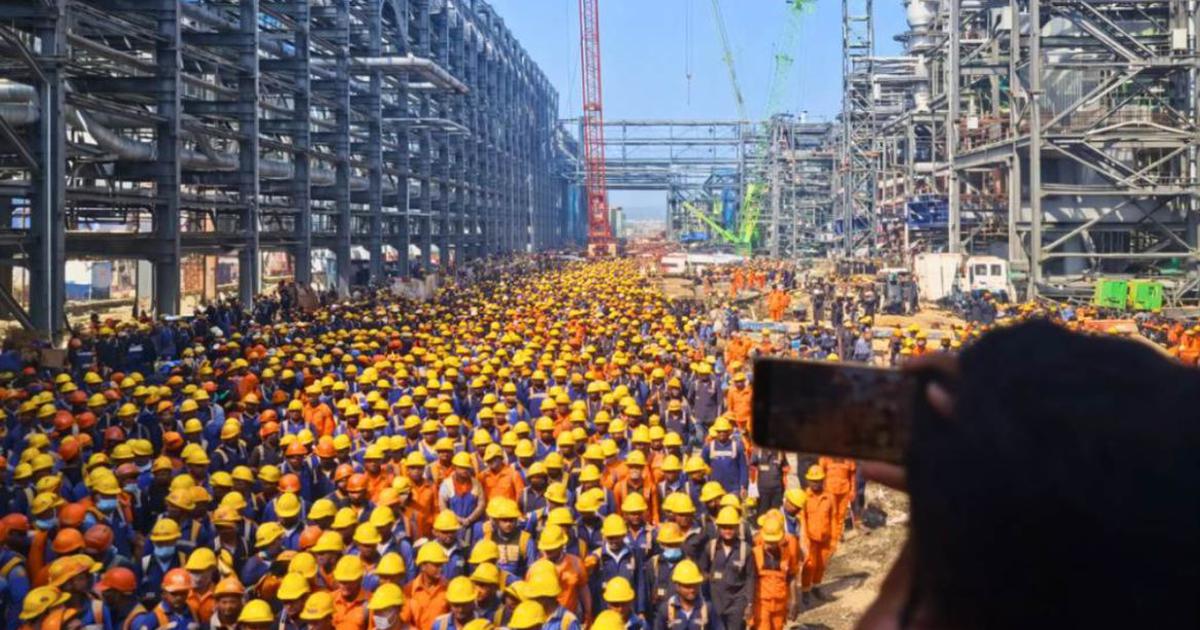
A stark illustration of the struggle for labor rights can be seen in Haryana’s Panipat, where workers at the Indian Oil Corporation Limited’s refinery have been at the forefront of protests since late February. The tragic death of two workers in an industrial accident on February 24 has ignited outrage. Eyewitness accounts suggest that management delayed seeking medical assistance while the injured workers fought for their lives. This indifference has fueled longstanding grievances, leading to a dramatic strike by approximately 30,000 to 40,000 workers shortly after the incident.
The industrial accident in Panipat is more than a setback for the workers; it symbolizes a broader crisis affecting laborers throughout India. Workers are increasingly expressing their discontent over unsafe working conditions, low wages, and inadequate response from management during emergencies. The recent tragedy has become a rallying point for those advocating for social justice and better working conditions.
As the protests unfold, they are set against a backdrop of global political tensions, particularly the escalating conflict in the region involving the US, Israel, and Iran. The ramifications of these international disputes have reverberated through India’s labor market, driving up costs and creating an environment of uncertainty for workers. This has further intensified calls for solidarity among workers across various sectors in the country.
On the ground in Panipat, the mood is charged. Workers have turned to social media to share their stories, and the presence of jammers blocking internet access has only heightened their frustration. They feel that their voices are being silenced at a critical moment. Unions are urging solidarity, as they push back against legislation perceived as anti-labor. As tens of thousands prepare to join the national strike, it is clear that the future of workers’ rights in India hangs in the balance.