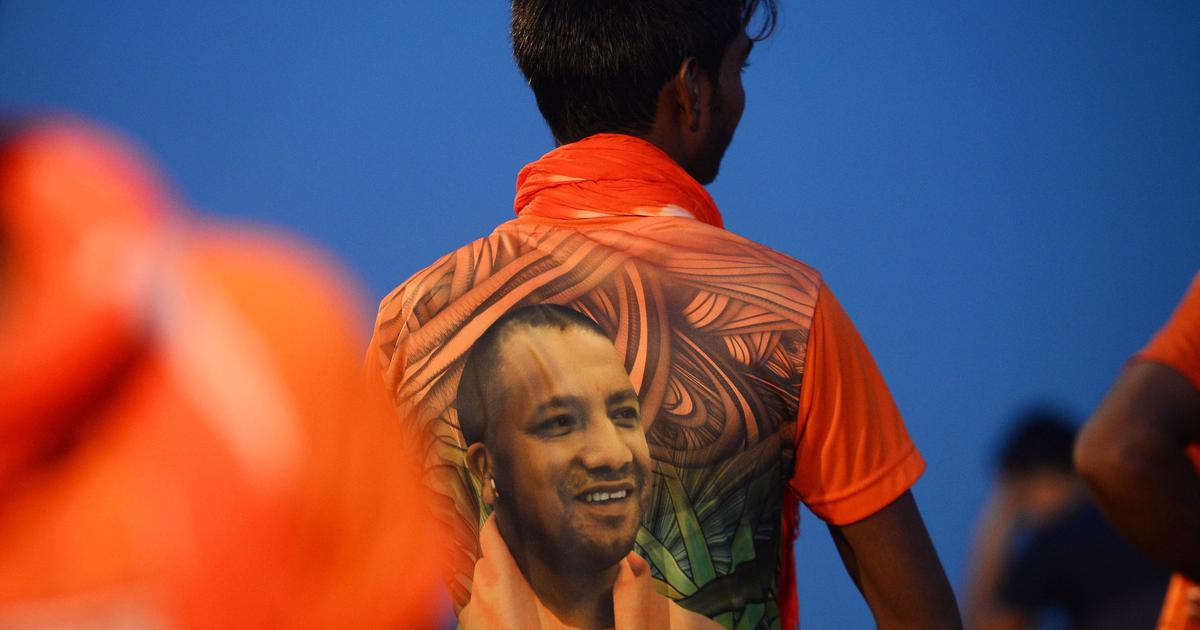
Since assuming office as the Chief Minister of Uttar Pradesh in March 2017, Yogi Adityanath, born Ajay Singh Bisht, has remained a divisive figure in Indian politics. The five-time Member of Parliament from Gorakhpur, who transitioned from a monk to the head priest of the Gorakhnath Math, has solidified his stance as a prominent proponent of Hindutva. His policies and rhetoric have often ignited debates around communal harmony and state governance.
Adityanath’s journey in the political landscape has been underscored by a pronounced commitment to what many perceive as a campaign of impunity for individuals accused of hate speech and communal violence. His approach to governance has frequently raised concerns regarding the safety and security of minority communities in Uttar Pradesh, India’s most populous state. Under his administration, the very fabric of social cohesion has been tested, as the state government has taken steps that seem to shield those accused of inciting religious hatred.
One of the most notable actions during his tenure came shortly after he took office when he announced the withdrawal of nearly 20,000 criminal cases against politicians and their affiliates across various parties. This decision, made in a state assembly meeting, was framed as a necessary measure to alleviate the backlog of cases in the judicial system. However, critics argue that it predominantly benefits those aligned with the ruling Bharatiya Janata Party (BJP) and sends a troubling message about accountability.
To formalize this initiative, Adityanath’s government introduced The Uttar Pradesh Criminal Law (Composition of Offences and Abatement of Trials) (Amendment) Bill, 2017, which aimed to expedite the dismissal of cases perceived as politically motivated. By prioritizing expediency over justice, many fear that this move undermines the rule of law and emboldens individuals who might otherwise think twice before engaging in hate speech or violence.
As a result, the narrative surrounding Yogi Adityanath’s leadership continues to evolve, with supporters praising his efforts to maintain law and order in a state often plagued by political unrest, while detractors decry his government’s leniency towards offenses that disrupt communal harmony. As Uttar Pradesh stands at a crossroads, the implications of his governance raise critical questions about the future of democracy and justice in India. As the state prepares for upcoming elections, how these policies play out will be pivotal not only for Adityanath but for the larger political landscape in India.