
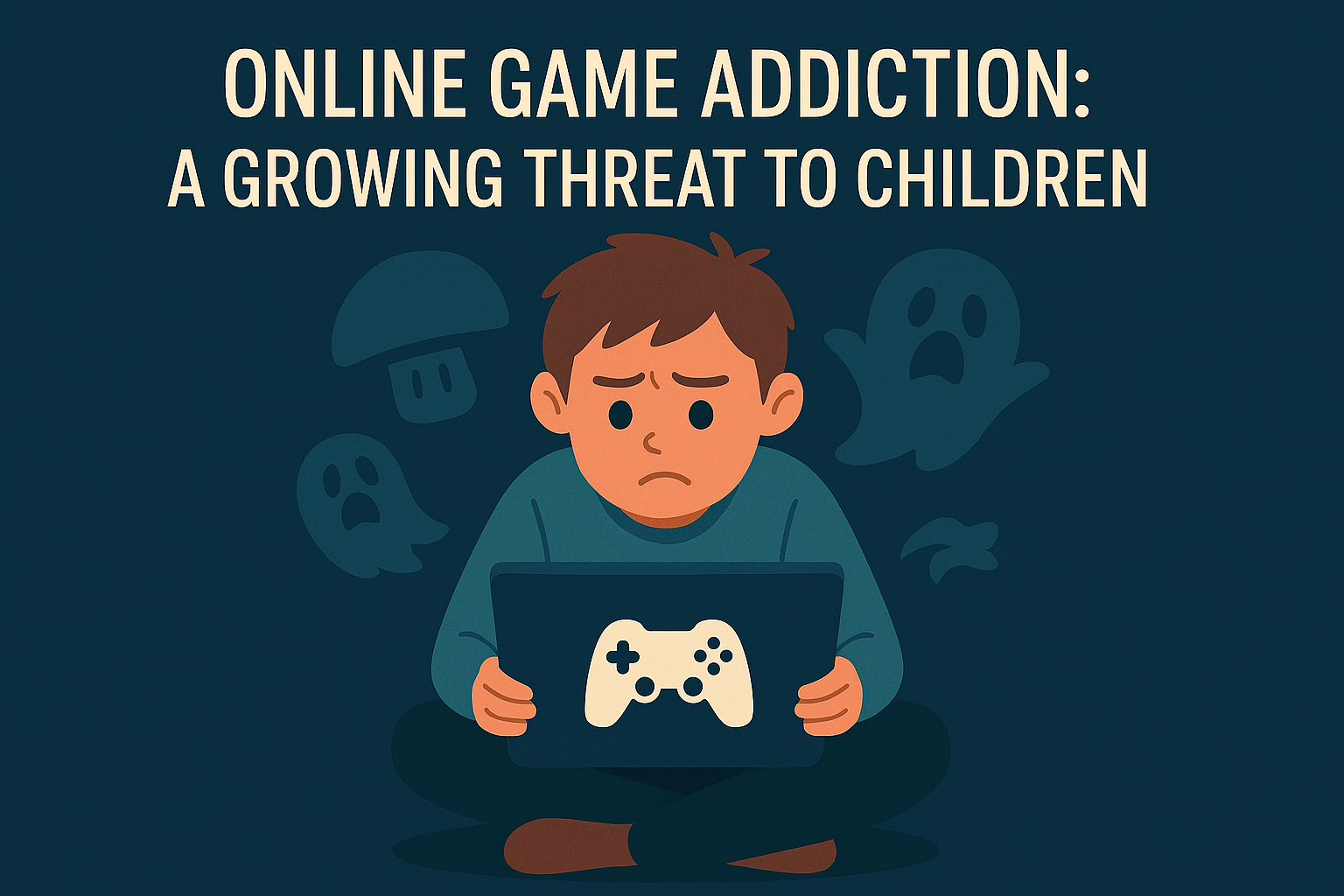
In recent years, online gaming has become one of the most popular forms of entertainment among children. While these games can enhance creativity, strategic thinking, and digital skills, excessive gaming is emerging as a serious concern for parents, educators, and health professionals.
Experts warn that prolonged screen time and gaming addiction can negatively impact children’s physical health, academic performance, and social development. Many children spend hours engaged in online games, often leading to sleep disturbances, reduced physical activity, and limited face-to-face interactions.
Mental health specialists also highlight the risk of anxiety, irritability, and reduced attention span associated with excessive gaming. In extreme cases, children may show signs of dependency, prioritizing virtual achievements over real-world responsibilities.
Parents are encouraged to monitor screen time, promote balanced routines, and foster open communication about digital habits. Schools and communities are also playing a crucial role in raising awareness about responsible gaming.
As technology continues to evolve, experts stress the importance of guiding children toward healthy digital habits to ensure that entertainment does not turn into addiction.