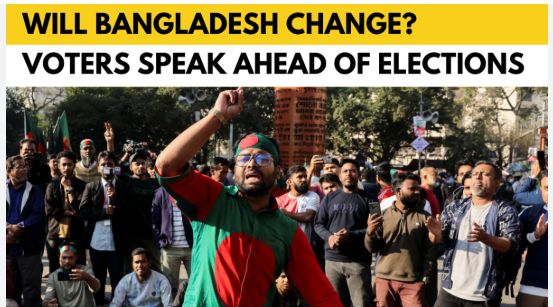
Bangladesh is holding its first general election since the 2024 student-led uprising that ousted former Prime Minister Sheikh Hasina, marking a pivotal moment in the nation’s democratic journey.
The election features a contest between the Bangladesh Nationalist Party (BNP), led by Tarique Rahman, and a coalition spearheaded by Jamaat-e-Islami’s Shafiqur Rahman. Notably, the BNP had previously boycotted elections in 2014 and 2024, citing concerns over fairness.
This election is the first since the 2024 uprising, which began as student protests over public sector job quotas and escalated into nationwide unrest, resulting in over 1,000 deaths and the eventual resignation and exile of Sheikh Hasina.
The interim government, led by Nobel laureate Muhammad Yunus, has emphasized the importance of a transparent electoral process. Approximately 127 million registered voters are participating to elect 350 lawmakers, including 50 seats reserved for women.
Security measures are stringent, with hundreds of thousands of personnel deployed nationwide. Chief Election Commissioner AMM Nasir Uddin stated that the election aims to break from past practices of electoral manipulation.
International observers, including representatives from the European Union, are monitoring the elections, which are also accompanied by a referendum on constitutional reforms to limit prime-ministerial powers and enhance judicial independence.
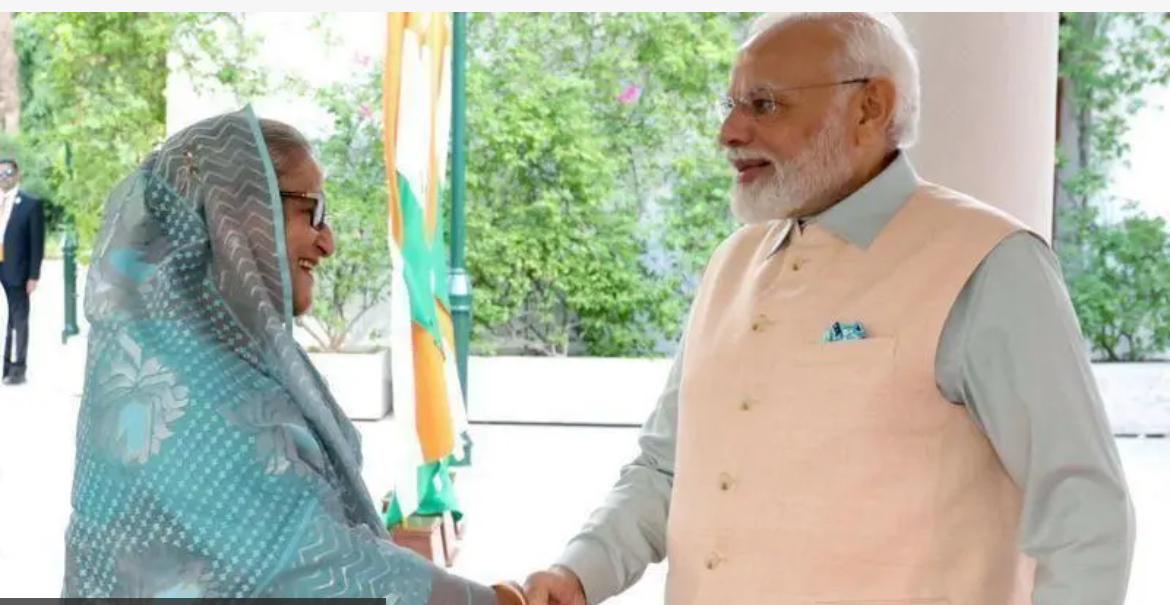
The outcome of this election is expected to significantly influence Bangladesh’s political landscape and its relations with neighboring countries, particularly India, which has historically maintained close ties with the Awami League.
As the nation awaits the results, the election represents a critical step in Bangladesh’s pursuit of democratic governance and political stability.