POCSO FIR Against Jyotirmath Shankaracharya: Court-Mandated Probe into Minor Abuse Allegations Triggers Political Row in Uttar Pradesh
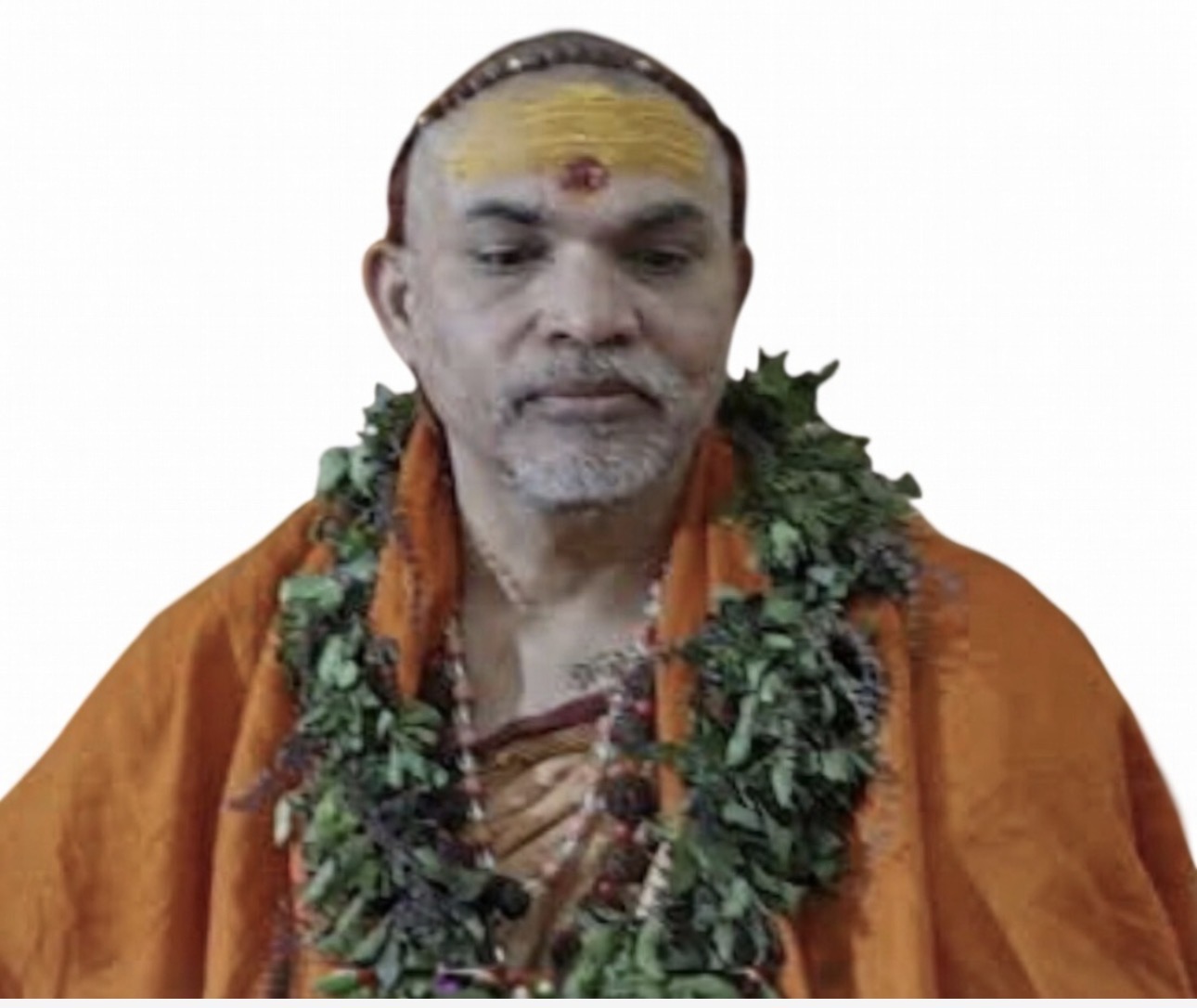
Days after a special POCSO court directed registration of an FIR, Swami Avimukteshwaranand Saraswati, the self-proclaimed Shankaracharya of Jyotirmath (Jyotish Peeth) in Joshimath, Uttarakhand, moved the Allahabad High Court on February 24 seeking anticipatory bail in connection with serious allegations of sexual exploitation of two minors. The case has ignited a fresh controversy, intertwining religious sanctity, child protection laws, and sharp political accusations in Uttar Pradesh.
The sequence of events unfolded rapidly in mid-February. On February 21, Additional Sessions Judge and Special Judge (POCSO Act) Vinod Kumar Chaurasia at Prayagraj allowed an application under Section 173(4) of the Bharatiya Nyaya Sanhita (BNS) filed by complainant Ashutosh Brahmachari Maharaj (Shakumbhari Peethadhishwar and a disciple of Jagadguru Rambhadracharya). After reviewing police preliminary enquiry reports, victim statements recorded in-camera, and supporting evidence, the court directed the SHO of Jhunsi police station to register an FIR and investigate. The FIR was lodged late on February 21 (around 23:37 hours) naming Swami Avimukteshwaranand Saraswati, his disciple Mukundanand Giri (also known as Mukundanand Brahmachari or Chaitanya Mukundananad Giri), and two to three unidentified persons.
Key Allegations and Timeline of Incidents
According to the complaint and FIR, the two victims — aged 14 and 17 — were allegedly subjected to repeated sexual assault over more than a year, from January 13, 2025, to February 15, 2026. Incidents reportedly occurred at the seer’s ashram/gurukul (Vidya Math in Varanasi) and temporary camps during religious events, including the ongoing Magh Mela in Prayagraj. One specific reference points to exploitation under the pretext of “guru seva” around mid-January 2026 during the mela. Sections invoked include POCSO Act provisions (3, 4(2), 5, 6, 9, 16, 17, 51) and BNS sections related to sexual assault (69, 74-76, 79, 109, 351(3)). Police have begun a formal probe, emphasising forensic examination of evidence while protecting victim identities as per POCSO safeguards.
Prior complaints to Prayagraj police and the Commissioner had not led to an FIR, prompting the court intervention. Ashutosh Brahmachari Maharaj, who presented the victims before the court, has announced a “Sanatan Yatra” from Prayagraj to Varanasi to highlight the issue and claims to have submitted additional evidence, including a CD.
Seer’s Strong Denial and Legal Response
Swami Avimukteshwaranand, addressing the media in Varanasi on February 21-22, categorically rejected the charges as a “fabricated conspiracy” aimed at defaming him and Sanatan Dharma. He asserted that the two boys “never entered our Gurukul, never studied there, and have no connection whatsoever,” producing their school marksheets from Hardoi as proof. The seer accused complainant Ashutosh Brahmachari of being a “history-sheeter” whose record was opened at Kandhla police station in Shamli district during the previous Samajwadi Party government (a claim Brahmachari acknowledges but says he was fully exonerated in all cases and the sheet was politically motivated to suppress his work for Sanatan Dharma). He expressed full cooperation with the investigation and filed for anticipatory bail in the High Court on February 24, with his counsel confirming he is ready to appear before police.
Background and Preceding Magh Mela Tensions
Swami Avimukteshwaranand Saraswati (born Umashankar Upadhyay in 1969 in Pratapgarh district) received sanyas diksha in 2006 from his predecessor Swami Swaroopanand Saraswati. He declared himself the 46th Shankaracharya of Jyotirmath on September 12, 2022, a day after the predecessor’s death, but the move has been legally contested. The Supreme Court has issued notices and stayed aspects of his formal coronation, while the Prayagraj Mela Authority recently questioned his use of the “Shankaracharya” title — a dispute still sub judice.
Tensions escalated during the 2025-26 Magh Mela. On January 18 (Mauni Amavasya), the seer was allegedly prevented from taking a holy dip at Triveni Sangam, leading to a sit-in protest at the mela grounds. He ended the protest on January 28 “with a heavy heart” without the snan, accusing the administration of arrogance. Mela authorities issued notices over the title and alleged protocol violations (which he denied, claiming use of a traditional palanquin, not a horse-drawn bagghi). The seer had also publicly criticised Kumbh/Magh Mela arrangements and issued a 40-day ultimatum to the UP government on cow protection issues.
Political Angles Emerge
The case has quickly acquired political overtones. Samajwadi Party chief Akhilesh Yadav and Congress leaders have described the FIR as possible “retaliation” by the BJP-led UP government under Chief Minister Yogi Adityanath for the seer’s outspoken criticism during the Magh Mela row and his earlier stands against certain state policies. Akhilesh termed the mela treatment an “insult to Sanatan Dharma” and accused the BJP of “arrogance of power.” Some opposition voices suggest the timing — weeks after the mela protest — raises questions of motive.
Conversely, sections within the saffron fold and certain religious leaders have maintained silence or called for due process, emphasising that “no one is above the law.” The complainant’s own background has been weaponised in the debate, with the seer’s camp linking it to past SP-era disputes. The BJP has largely refrained from direct comment, though the government has reiterated commitment to child protection and impartial policing.
The Way Forward
As Prayagraj police intensify the investigation — expected to include digital forensics, witness protection, and speedy trial norms under POCSO — all eyes are on the Allahabad High Court’s decision on the anticipatory bail plea. A transparent, time-bound, and evidence-driven probe free from political influence is essential to establish facts.
The episode also raises broader questions for Hindu monastic institutions: the need for robust internal safeguards in ashrams housing minors, greater transparency in guru-shishya traditions, and mechanisms to prevent misuse of spiritual authority. Religious bodies across traditions may deliberate on voluntary ethics codes to preserve public faith.
In India’s vibrant democracy, where faith and constitutional rights coexist, only a fair judicial outcome — acquittal if innocent or accountability if guilty — can restore trust, heal divisions, and reinforce the timeless values of Sanatan Dharma. The coming weeks will test the system’s ability to deliver justice without fear or favour.
Disclaimer: The information presented in this article is based on publicly available sources and official statements at the time of publication. The views expressed are attributed to respective sources. Indian Press Union does not intend to defame or misrepresent any individual, organization, or political entity.