


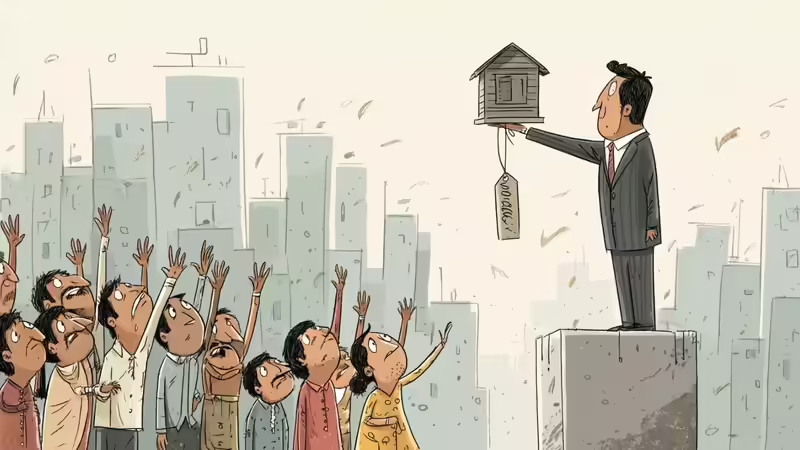
Buying an affordable home in India is becoming more difficult every year, and for most middle-class families, this challenge is unlikely to improve soon. Property prices in major cities such as Mumbai, Bengaluru, Hyderabad, Delhi-NCR and Pune continue to rise faster than salaries. While average income grows by around 8–10% annually, property prices in key urban areas often climb 12–25%, making homes increasingly out of reach.
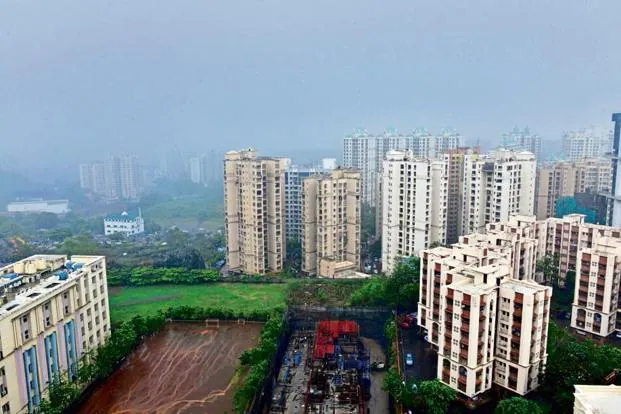
A big reason behind this is the imbalance between demand and supply. Millions migrate to cities each year in search of jobs and better amenities, but land in urban centres is limited. As demand increases and space remains constrained, prices naturally rise.
Construction costs have also jumped sharply. Prices of steel, cement, labour and land have increased, making it difficult for developers to build genuinely affordable homes. As a result, many builders now focus on luxury and premium projects, which offer higher profits and faster sales compared to budget housing.
Home loan interest rates add another layer of difficulty. With higher EMIs, many buyers either reduce their budget or postpone their plans entirely. Even small interest rate hikes can significantly affect eligibility and affordability.
Investors and NRIs further push prices upward by treating real estate as a safe investment, especially in top-tier cities.
In short, rising demand, high construction costs, limited land, premium-focused development and costly loans mean that affordability will continue to decline. Unless large-scale reforms or major affordable housing initiatives are introduced, buying a home in urban India will remain a distant dream for many.
