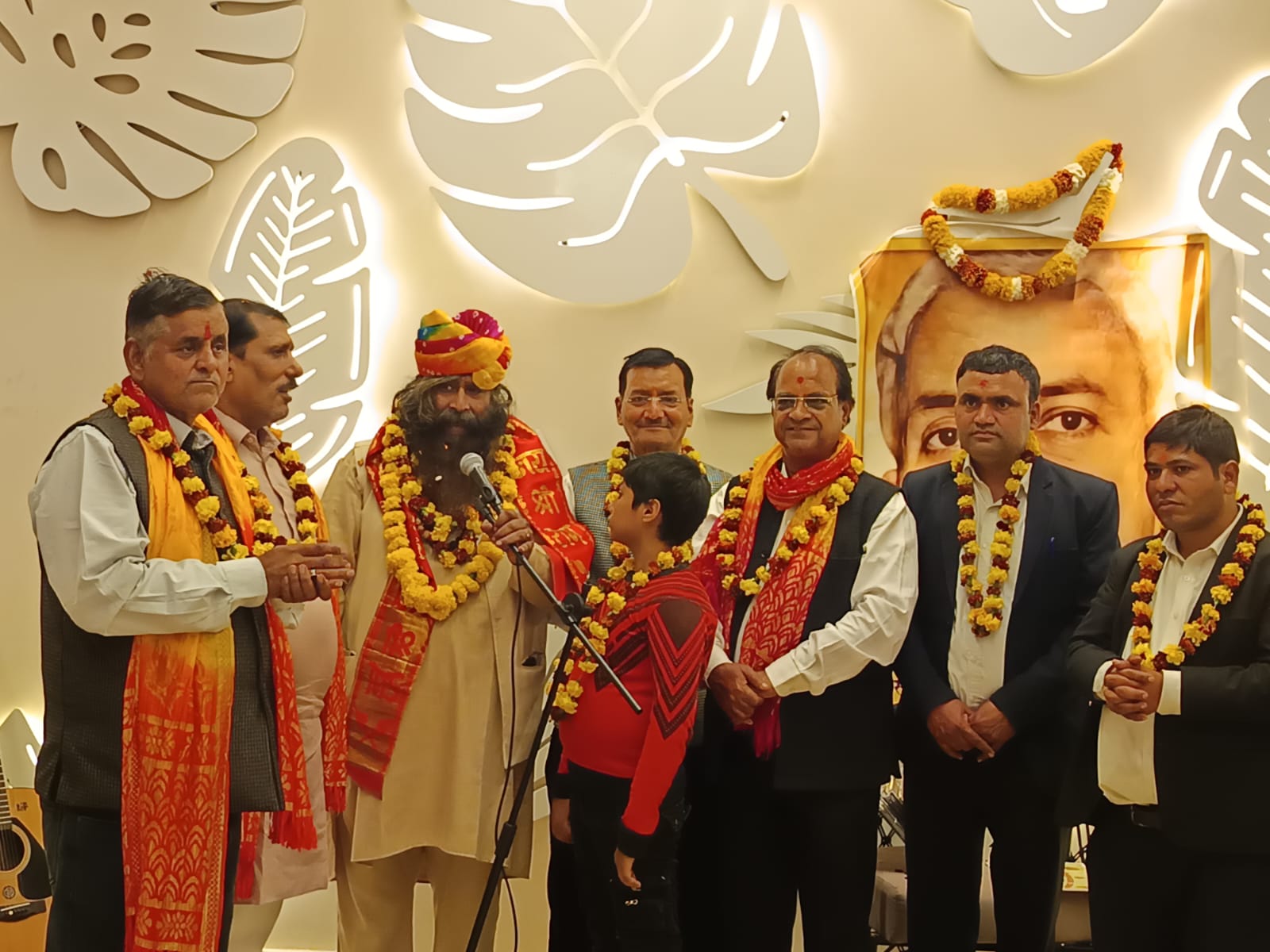
**Jaipur, 26th Feb, Rajasthan:** Ajmer Road turned into a center of intellectual and social action as scholars, legal experts, and community leaders gathered to mark the birth anniversary of Samvidhan nirmata PN Rao and Akhil Bhartiya Brahman Mahasabha President Dr. Chandrashekhar Sharma. The event, held in Jaipur, combined celebration with a strong protest against the proposed UGC Bill. Eminent speakers addressed the gathering, while Supreme Court lawyer Dr. AP Singh’s Public Interest Litigation (PIL) against the bill became a focal point of discussion. The event concluded with a message of unity: “Sabhi samaj ek hai aur ek rahenge.”
## Celebration with a Purpose
The program began as a commemorative event honoring PN Rao, widely respected for his contribution to constitutional thought and legal scholarship. Speakers paid tribute to his vision of justice, equality, and institutional integrity. The presence of Dr. Chandrashekhar Sharma added significance to the occasion, as members of the Akhil Bhartiya Brahman Mahasabha highlighted the importance of intellectual leadership in shaping national discourse.
However, the gathering was not limited to remembrance. It soon evolved into a structured and peaceful protest addressing concerns over the UGC Bill. Organizers said the purpose of the protest was to raise awareness about what they described as potential threats to academic autonomy and institutional independence.
## Strong Voices Against the UGC Bill
The UGC protest in Jaipur gained momentum as scholars and legal experts expressed their apprehensions about the proposed reforms. According to speakers, the bill could impact university governance structures and reduce the autonomy of higher education institutions. Several academics argued that education policy must be shaped through broader consultation with stakeholders, including teachers, researchers, and legal experts.
Supreme Court advocate Dr. AP Singh was widely acknowledged during the event for filing a PIL against the UGC Bill. Speakers described the petition as a step toward judicial review of the legislation. They emphasized that legal scrutiny ensures that policy decisions remain aligned with constitutional principles.
Members of the lawyer community present at the protest voiced their support for the cause. They stated that any legislation affecting education must pass the test of transparency, accountability, and constitutional validity. The participation of legal professionals added weight to the demonstration, transforming it from a symbolic protest into a serious civic engagement initiative.
## Scholars Stress Constitutional Values
Throughout the event, scholars underlined the importance of safeguarding academic freedom. They connected the concerns around the UGC Bill with broader constitutional values, invoking the legacy of PN Rao. According to speakers, constitutional morality requires that reforms in higher education strengthen institutions rather than centralize authority.
Several distinguished guests addressed the gathering including Dr Ramnivas Sharma, Mr. Gangaram Sharma, Mr Harish Sharma etc, highlighting how education forms the backbone of national development. They argued that universities must remain spaces of independent thought, research innovation, and diverse intellectual engagement. The speeches reflected a blend of emotional appeal and legal reasoning, reinforcing the idea that policy reform must prioritize long-term academic growth.
The protest maintained a disciplined tone. There were no disruptions or aggressive slogans. Instead, the message centered on dialogue, unity, and lawful resistance.
## Community Unity on Display
One of the most striking aspects of the event was the broad participation across communities. Organizers emphasized the slogan “Sabhi samaj ek hai aur ek rahenge,” underscoring that the protest was not confined to any single group. Leaders insisted that the issue of education transcends caste, community, and professional boundaries.
Attendees described the gathering as a collective expression of concern rather than a political demonstration. The involvement of scholars, social leaders, and members of the legal fraternity suggested a multi-dimensional approach to the issue. The presence of senior advocates and young law practitioners alike highlighted a generational consensus on the importance of constitutional safeguards.
Observers noted that the peaceful nature of the UGC protest in Jaipur strengthened its credibility. By combining commemoration with civic action, the organizers were able to attract wider attention and create a platform for meaningful discussion.
## Broader Impact and What Lies Ahead
The protest has added momentum to the national conversation around the UGC Bill. With a PIL already filed, the matter may see further developments in the judicial arena. Legal experts believe that the court’s observations could influence future amendments or clarifications in the legislation.
Education analysts say that such public demonstrations reflect growing awareness about higher education reforms. As stakeholders increasingly demand participation in policy-making, governments may face pressure to engage in wider consultations.
Organizers indicated that this was only the beginning of sustained advocacy. They plan to continue awareness campaigns and engage with academic institutions across Rajasthan. However, they reiterated that their approach will remain peaceful and constitutionally grounded.
## Conclusion
The Ajmer Road gathering was more than a birthday celebration; it became a platform for civic dialogue and constitutional assertion. By combining tribute, protest, and unity, participants sent a clear message about safeguarding academic independence. As legal proceedings unfold, the debate over the UGC Bill is set to remain a significant issue in the national discourse.