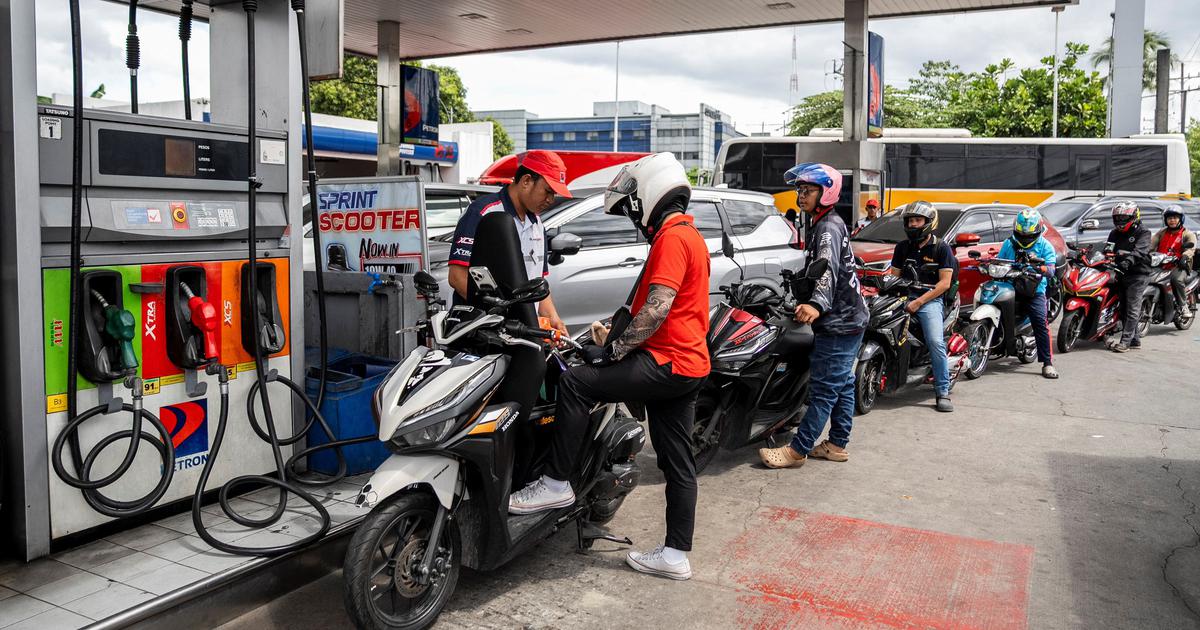
In response to an escalating energy crisis driven by the ongoing conflict in West Asia, several countries across Asia have enacted measures to curb energy consumption and mitigate the impact of rising global oil prices. The situation has escalated to a point where nations like Bangladesh, Myanmar, and the Philippines are implementing emergency protocols to manage fuel resources effectively.
Bangladesh has taken decisive action by shutting down all universities starting Monday, while also accelerating the Eid al-Fitr holidays. These steps are part of a broader strategy to conserve fuel and electricity, as the country grapples with significant energy imports, relying on foreign sources for approximately 95% of its energy needs. The government has also set a daily cap on fuel sales in Dhaka to prevent panic buying and hoarding, which had been rampant in recent days. Alongside these measures, the scarcity of natural gas has forced Bangladesh to halt operations at several state-run fertilizer plants, redirecting available supplies to power generation facilities to alleviate electricity shortages.
Meanwhile, in Southeast Asia, Myanmar’s military government has introduced a novel rationing system for private vehicles. Under this initiative, vehicles with even-numbered plates are permitted to operate on even dates, while those with odd-numbered plates can drive on odd dates. This initiative aims to manage limited fuel resources more effectively, particularly as the country navigates its own energy challenges. Notably, electric vehicles and motorcycles are exempt from this rationing scheme, reflecting a push towards more sustainable transportation options.
In the Philippines, similar strategies are being implemented as the government directs civil servants to work only four days a week. This measure is designed to reduce fuel consumption significantly as the nation grapples with rising fuel prices and supply constraints. The government’s approach underscores the urgency of the situation and the need for collective action to address the energy crisis. In Vietnam, the government has proposed the removal of tariffs on imported fuels until the end of April, a move aimed at facilitating access to essential energy supplies despite the expected loss of revenue.
As Asia confronts these unprecedented energy challenges, the regional responses highlight a growing recognition of the need for sustainable energy solutions and collaborative efforts to mitigate the impact on citizens’ daily lives. The crisis serves as a wake-up call, emphasizing the importance of energy independence and the necessity for countries to invest in renewable energy sources. As the situation develops, it will be essential for governments to not only manage the immediate crisis but also to lay the groundwork for a more sustainable energy future.