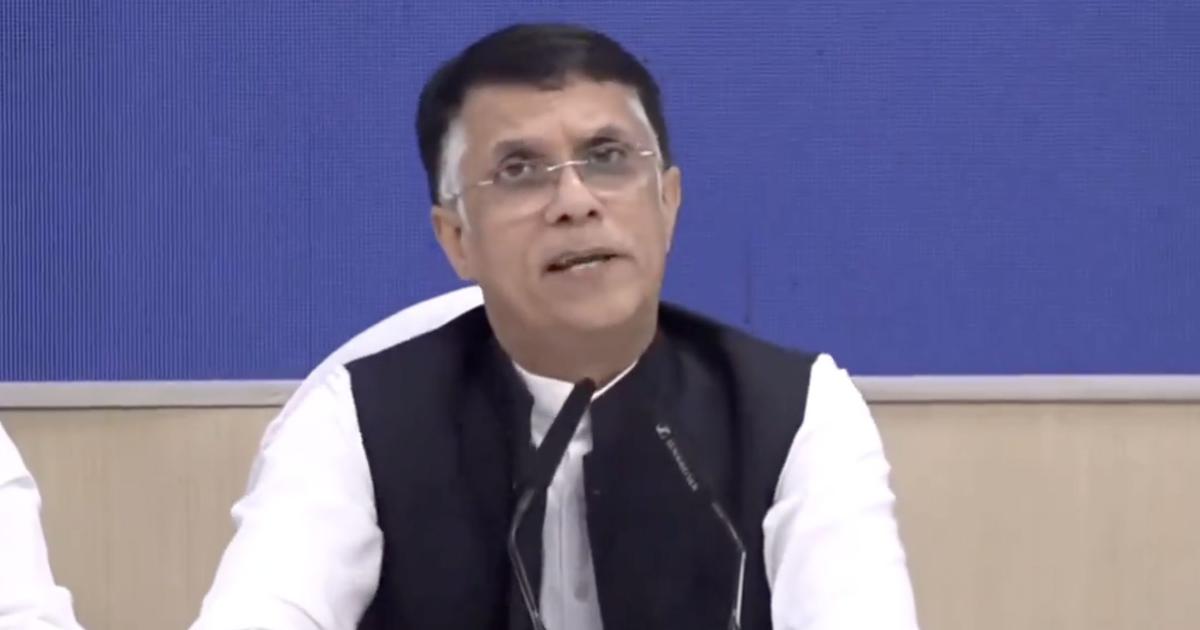
The political turmoil in Assam continues as the state government has approached the Supreme Court to contest a High Court decision from Telangana that granted transit anticipatory bail to Congress leader Pawan Khera. This legal maneuver comes in the wake of an FIR filed against Khera by Riniki Bhuyan Sarma, the wife of Assam’s Chief Minister Himanta Biswa Sarma, accusing him of defamation and other serious charges.
Pawan Khera, who sought the bail, claimed he possesses documents that suggest Riniki Bhuyan Sarma holds multiple passports from foreign nations including the United Arab Emirates, Egypt, and Antigua and Barbuda. The allegations have been strongly denied by both the Chief Minister and his wife, escalating the political tensions surrounding the case.
The case was officially registered at the Crime Branch Police Station in Guwahati, with charges that include defamation, forgery, and criminal conspiracy. During a recent court session on Thursday, Assam’s Advocate General Devajit Saikia questioned why Khera would seek legal protection from a High Court in Telangana, when he resides in Delhi and the case is registered in Assam. Saikia emphasized that there’s no legal reason preventing Khera from returning to Assam, asserting, “Assam is not a banana republic.”
This situation draws attention to the broader implications of political rivalry in Assam, especially as the Congress party seeks to gain traction against the ruling BJP in the state. The case has not only stirred public interest but has also highlighted the ongoing tensions between political parties in a region that has historically seen its fair share of controversies. With the Supreme Court now involved, the outcome could set a significant precedent regarding the jurisdiction of High Courts and the rights of political figures facing legal challenges.
As the legal battles unfold, all eyes are on Assam, where the intersection of politics and law continues to shape the narrative. The case could further influence public perception and political alignments within the state, making it a pivotal moment for both the Congress party and the ruling government.