India stands at a defining moment in its journey of transformation. With rapid advancements in infrastructure, digital connectivity, and economic strength, the nation continues to move forward at an impressive pace. Yet, the true measure of progress lies not only in visible development but in how effectively it improves the everyday lives of its people.
Despite ambitious policies and large-scale initiatives, a significant portion of the population continues to grapple with basic challenges in healthcare, education, and infrastructure—areas that form the foundation of a dignified life.
Healthcare: Bridging Accessibility and Affordability
While India has made commendable strides in expanding healthcare coverage, the gap between urban and rural services remains stark. Advanced hospitals and specialized treatments are often concentrated in cities, leaving smaller towns and villages underserved.
Preventive healthcare is still underemphasized, and awareness about early diagnosis remains limited. As a result, manageable conditions often escalate into serious health issues. The rising cost of treatment further complicates the situation, making quality healthcare inaccessible for many.
Strengthening grassroots healthcare systems, investing in medical infrastructure, and ensuring affordability must become central to policy execution rather than peripheral goals.
Education: Unlocking True Potential
India’s demographic dividend holds immense promise, but without equitable education, this potential risks being underutilized. While enrollment rates have improved, the focus must now shift to quality, relevance, and inclusivity.
Many students, particularly in remote and conflict-prone areas, face disruptions that go beyond the classroom. Limited exposure, lack of mentorship, and inadequate digital resources create barriers that prevent them from competing on equal footing.
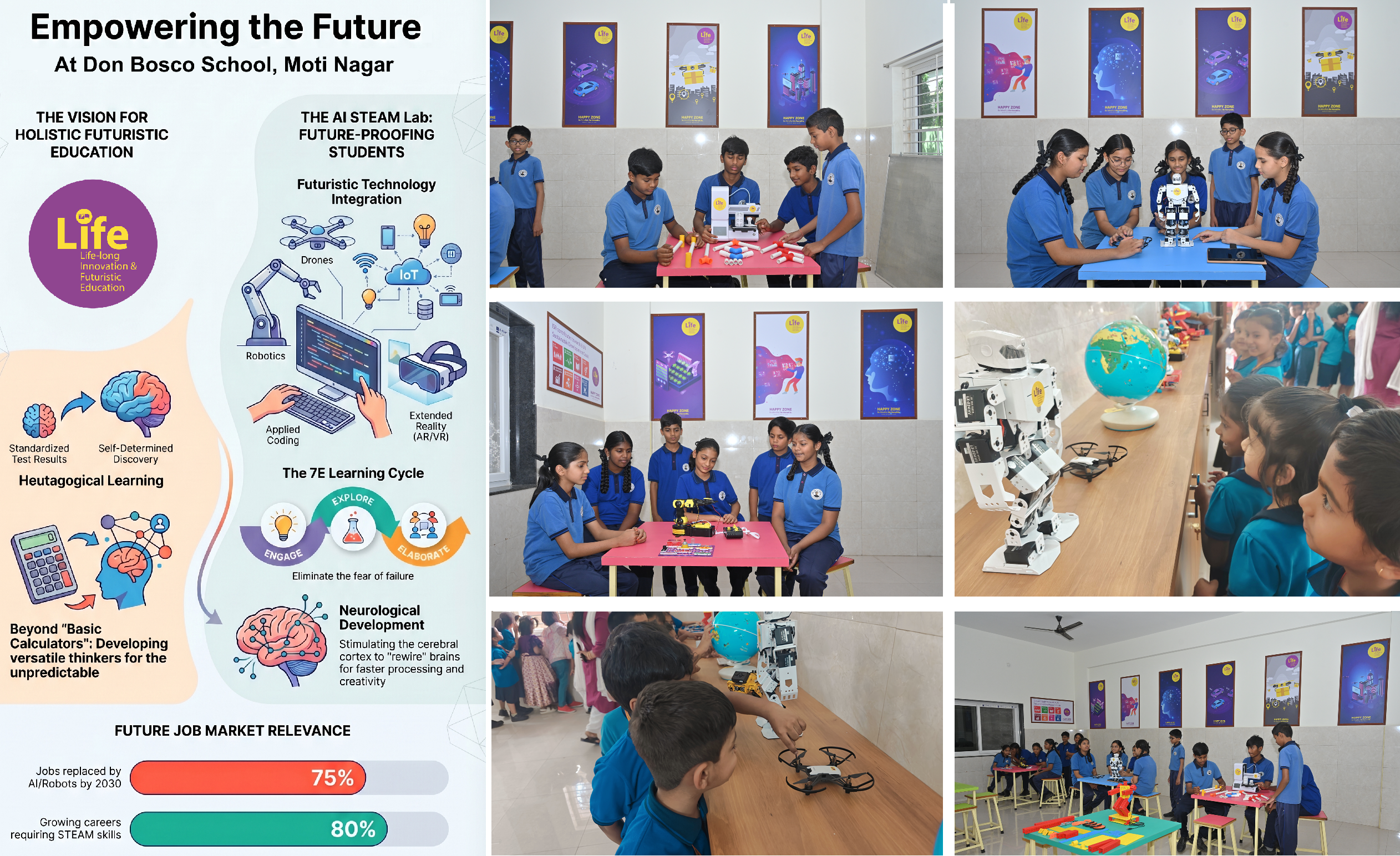
Education must evolve to meet modern demands—integrating skill development, critical thinking, and technology—while remaining accessible to all sections of society.
Infrastructure: The Need for Last-Mile Connectivity
Urban India showcases the face of modern development, but rural and semi-urban regions often tell a different story. Basic infrastructure gaps continue to affect livelihoods, safety, and overall well-being.
Reliable roads, clean water supply, efficient waste management, and stable electricity are not just amenities—they are essential for sustainable development. Without them, economic opportunities remain limited, and social progress slows down.
Bridging this divide requires focused planning, efficient implementation, and continuous monitoring to ensure that development is not concentrated but distributed.
A Shared Vision for Inclusive Progress
The responsibility of nation-building does not rest solely with policymakers. Private enterprises, civil society, and individuals all have a role to play in shaping a more inclusive future.
Innovation, when directed towards solving real-world problems, can be a powerful tool. From digital healthcare solutions to online education platforms and sustainable infrastructure models, collaborative efforts can drive meaningful change.
At the same time, accountability and transparency must guide every initiative to ensure that intended benefits reach those who need them the most.
Conclusion
India’s growth story is inspiring, but it must also be equitable. Development that excludes even a fraction of the population cannot be considered complete.
The path forward lies in strengthening the pillars that support everyday life—healthcare, education, and infrastructure—while ensuring that progress is inclusive, sustainable, and people-centric.
Only then can we truly bridge the gap between aspiration and reality, building a nation where growth is not just seen, but genuinely experienced by all.