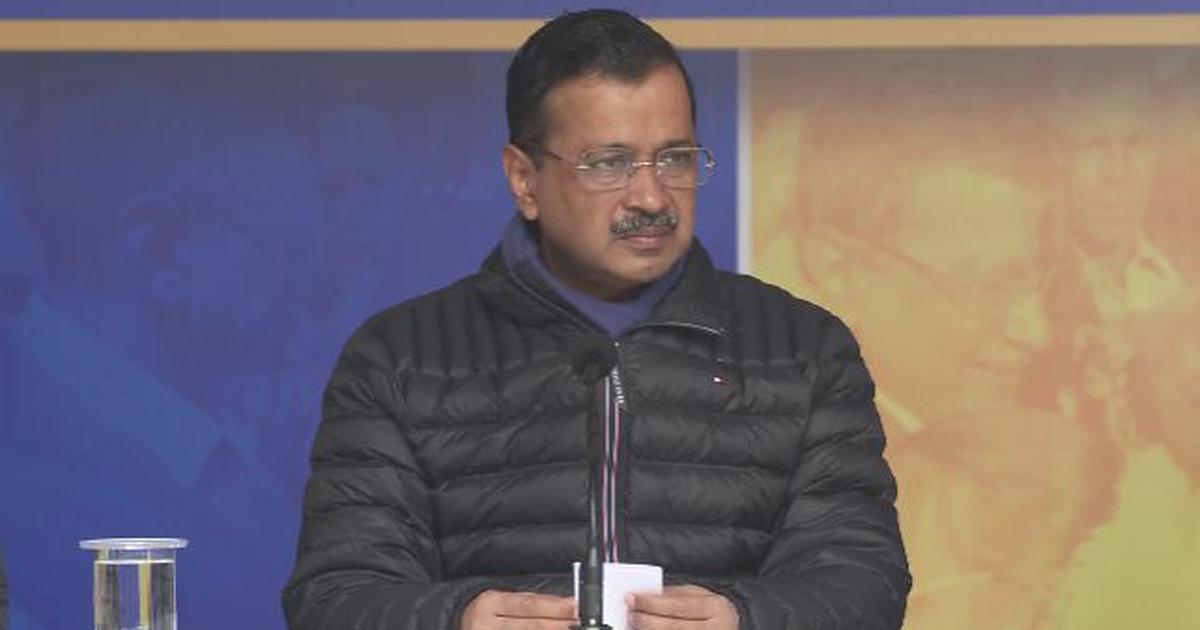
The Central Bureau of Investigation (CBI) has firmly opposed the plea filed by Arvind Kejriwal, the chief of the Aam Aadmi Party (AAP), and other party leaders seeking the recusal of Justice Swarana Kanta Sharma from the ongoing hearings related to the controversial Delhi liquor policy case. This development took place on Wednesday in the Delhi High Court, where the agency presented its argument against the allegations of ideological bias related to the judge’s participation in a legal seminar.
The CBI’s response was robust, asserting that Justice Sharma’s attendance at a seminar organized by the Akhil Bharatiya Adhivakta Parishad—a lawyers’ body associated with the Rashtriya Swayamsevak Sangh (RSS)—does not provide sufficient grounds to question her impartiality. The RSS is known to be the ideological parent of the ruling Bharatiya Janata Party (BJP), and Kejriwal’s team alleged that this association could influence the judge’s decisions. However, the CBI dismissed these claims as unfounded and untenable.
In its argument, the CBI warned that if merely attending events organized by politically affiliated groups was considered indicative of bias, it could lead to a scenario where numerous judges in the High Court and Supreme Court might have to recuse themselves from cases involving politically significant figures. The agency characterized the allegations of bias as “unscrupulous” and excessively broad, suggesting that they could undermine the integrity of the judicial system and even attempt to scandalize the court’s authority.
The agency further emphasized the importance of maintaining judicial independence and cautioned against using previous judicial decisions as grounds for claims of bias. This stance is particularly critical, as allowing such arguments could lead to ‘forum shopping’—where parties selectively choose judges based on perceived biases, thereby compromising the integrity of legal proceedings.
Kejriwal and his colleagues, including senior AAP leaders, are embroiled in a contentious legal battle regarding the Delhi government’s liquor policy, which has been under scrutiny amid allegations of corruption and mismanagement. As the case proceeds, the court’s determination on the matter of Justice Sharma’s recusal will be pivotal not only for the AAP leaders but also for the broader implications it holds for judicial independence and political accountability in India.