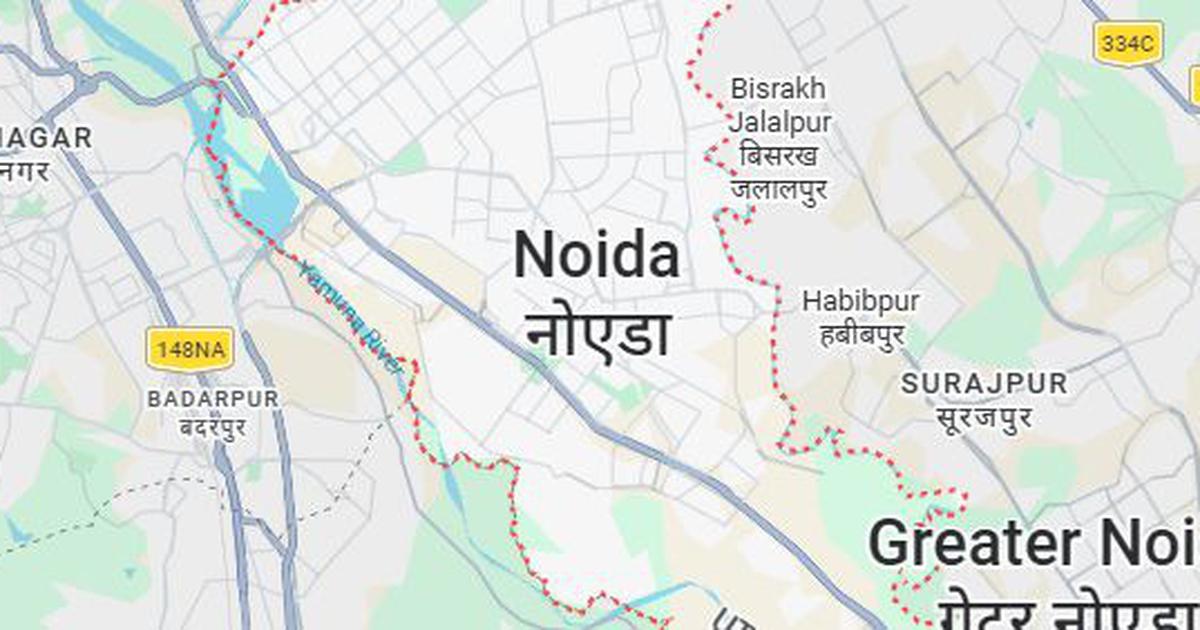
Violence broke out in Noida, Uttar Pradesh, on Monday as factory workers took to the streets to demand higher wages and improved workplace safety. The protests, which began last week, escalated dramatically, resulting in incidents of arson, vandalism, and stone-pelting across various parts of the city, according to reports from PTI.
Thousands of workers from multiple industrial units converged in Noida, expressing their frustration over stagnant salaries. The recent announcement by the Haryana government to raise the minimum wage from Rs 14,000 to Rs 19,000 sparked these demonstrations, highlighting the disparity with Uttar Pradesh’s minimum wage of just Rs 13,000. This difference has intensified the workers’ call for better compensation and working conditions.
On Monday, the situation became chaotic, particularly in the Phase 2 and Sector 60 areas of Noida, where numerous vehicles were set ablaze and properties damaged. Eyewitness accounts and videos circulating on social media depicted the turmoil, including protesters hurling stones and engaging in acts of vandalism. Law enforcement agencies were deployed in large numbers to restore order, but their efforts were met with fierce resistance from the agitated crowd.
The protests not only disrupted the peace in the region but also created significant traffic snarls on critical routes, particularly the Noida Link Road. The Delhi Traffic Police reported blockages caused by the protestors, drawing attention to the growing unrest among factory workers who feel neglected and underappreciated.
As tensions remain high, it is crucial for authorities to address the workers’ concerns and engage in dialogue to prevent further escalation. The ongoing demonstrations serve as a stark reminder of the challenges faced by laborers in India, as they seek fair compensation and a safe working environment. With economic pressures mounting, the situation in Noida reflects a broader narrative of labor rights and social justice that resonates across the nation.