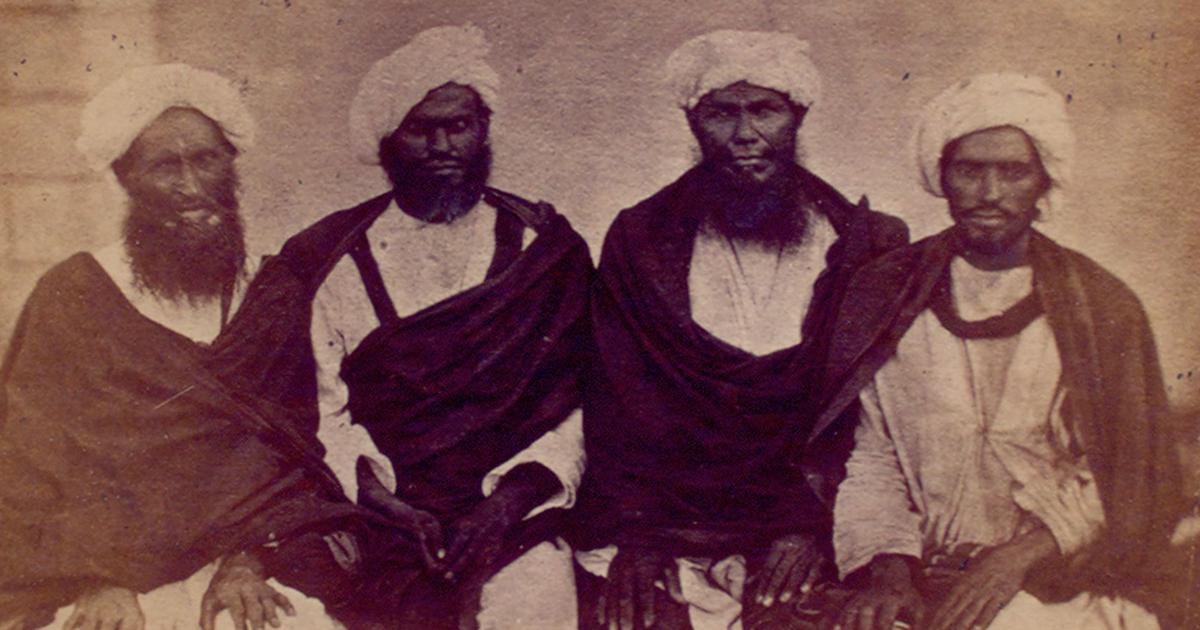
In the complexities of colonial India, the perception of Afghans and Pashtuns was starkly divided, revealing the intricate tapestry of cultural interactions and British imperial paranoia. While celebrated Indian poet Rabindranath Tagore presented a tender narrative in his story ‘Kabuliwala’, depicting a warm bond between an Afghan fruit seller and a young girl in Kolkata, the British narrative painted a different picture entirely. They viewed the Pashtuns as a palpable threat, driven by a fear that echoed the imperial anxieties of the time.
In 1920, the renowned author Arthur Conan Doyle, known for his creation of Sherlock Holmes, penned a defense of the British Empire’s presence in India. He warned that a withdrawal of British forces would unleash the Pathans, leading to chaos and destruction akin to the invasions of Picts and Scots that followed the Roman legions’ retreat from Britain. Such comparisons were not mere literary flourishes but reflected a pervasive sentiment among British officials, who largely categorized Afghans as potential criminals and rebels.
The English press of the time played a crucial role in solidifying this narrative. Publications like The Daily Telegraph were quick to echo these sentiments, describing the Pathan community in terms that evoked fear. One article cautioned that the Pathan “gazes south with unremitting determination,” likening them to predatory panthers poised to attack at any moment. This portrayal, underscored by the language of danger and vigilance, painted Afghans not just as outsiders but as a menacing presence threatening the stability of the British Raj.
Such depictions reveal a broader pattern of colonial discourse, where the Afghans were regularly framed as dacoits, or bandits, reinforcing the need for British military and social control. The colonial authorities, driven by their own insecurities and the need to justify their rule, constructed a narrative that depicted Pathans as the ‘other’—an untrustworthy and violent populace that needed to be subjugated. This perspective was not just a reflection of the British view but also influenced how Indians perceived their Afghan neighbors, creating a divide that has echoes even in modern times.
Understanding this historical context sheds light on the nuanced relationships that existed between different communities during British rule. While the narrative of fear dominated the colonial discourse, stories like that of Tagore’s Kabuliwala remind us of the human connections that transcended political boundaries. As India continues to grapple with its past, recognizing the complex interplay of culture and politics is vital for fostering a more inclusive understanding of its diverse heritage.