Introduction
Community-Based Organizations (CBOs) are essential entities that operate at the grassroots level to address the unique needs of local populations. Defined as public or private nonprofit organizations that represent and serve a specific community or segment thereof, CBOs are typically driven by residents themselves, focusing on improving social health, well-being, and access to services. These organizations often fill gaps left by larger institutions, providing tailored support in areas such as healthcare, education, environmental conservation, and economic development. Unlike broader nonprofits, CBOs emphasize local control and participation, ensuring that initiatives are culturally relevant and responsive to immediate community concerns. With roots in community organizing, CBOs have evolved to play critical roles in fostering resilience and empowerment, particularly in underserved areas.
Sustenance of Community Based Organizations
Maintaining operations over the long term is a significant challenge for CBOs, as they often rely on limited and fluctuating resources. Financial sustainability is achieved through a mix of funding sources, including grants from foundations and government agencies, individual donations, membership dues, and earned income from services or products. For instance, many CBOs diversify their revenue by investing reserve funds in low-risk assets or developing social enterprises that generate income while advancing their mission. Partnerships with local governments and businesses also provide in kind support, such as donated space or volunteer expertise, which can reduce operational costs.
However, the expiration of initial funding, such as federal grants, poses a major hurdle. A comprehensive study of coalitions funded under the Healthy Communities Access Program (HCAP) found that while 68% sustained their operations post-funding, success depended on factors like strong leadership, diverse membership, and formal structures such as boards of directors. Sustained coalitions often reassessed goals, secured new funding streams, and institutionalized programs within community infrastructure, such as hospitals absorbing service delivery roles. Strategies for longevity include building evaluation capacities to demonstrate value to funders through metrics like cost savings or leveraged resources and adapting to external changes, such as economic downturns or policy shifts. Investing in CBOs is vital, as it enhances their ability to hire specialized staff, like grant writers, and compete for larger opportunities, ensuring they remain trusted anchors in their neighborhoods. Community based organizations can also secure small grants by researching databases, attending workshops, and networking, which helps bootstrap new projects and build toward self sufficiency.
Impact of Community-Based Organizations
The influence of CBOs extends far beyond their immediate operations, driving measurable changes in social, economic, and environmental spheres. Socially, CBOs enhance community cohesion by socializing sustainable behaviors and fostering civic engagement. For example, they raise awareness, influence daily practices, and encourage participation in local initiatives, leading to higher rates of involvement in groups and knowledge of community programs. During crises like the COVID19 pandemic, CBOs played pivotal roles in disseminating information, protecting vulnerable populations, and ensuring access to resources, resulting in sustained community resilience.
Economically, CBOs promote empowerment and opportunity. By collaborating with governments on clean energy and transportation projects, they deliver initiatives that create jobs and stipends for residents, particularly in low-income areas, while advancing equity. A focus on the “three E’s”, environment, equity (social needs), and economy helps CBOs achieve balanced outcomes, such as skill-building programs that lead to financial milestones for youth. In healthcare coalitions, impacts include enrolling thousands in insurance, providing millions in donated care, and streamlining systems to reduce barriers, yielding long-term cost savings and improved access.
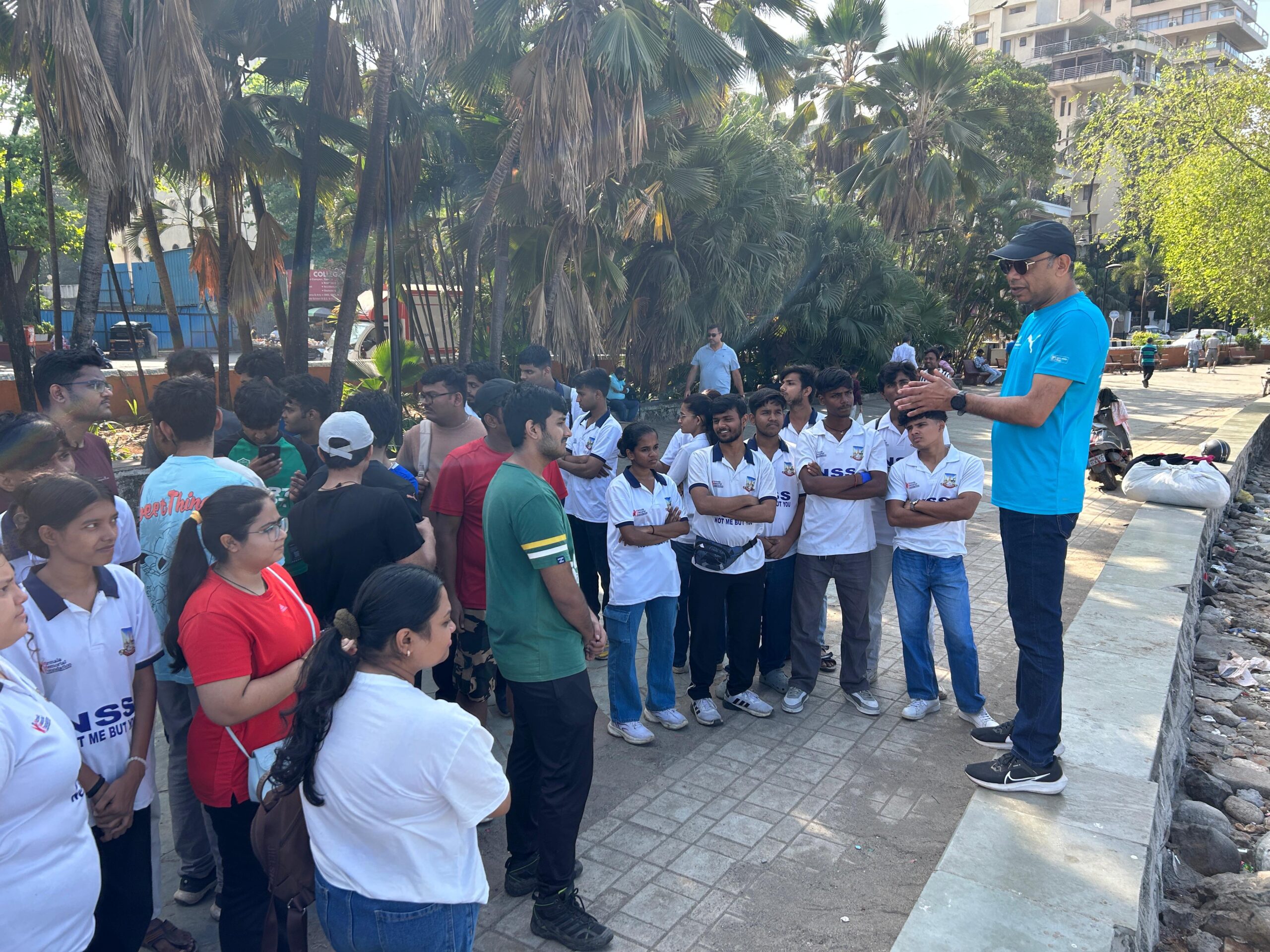
Environmentally, CBOs are innovators in sustainability, organizing clean-ups, tree plantings, and shared solar projects that minimize ecological footprints. Small CBOs, like The Natural Step Monona, have demonstrated substantial influence by promoting actions such as composting and local food purchasing, with residents familiar with the organization showing 14% higher engagement in sustainable behaviors on average. Through community based living and conservation efforts, CBOs empower locals to lead resilience building, as seen in initiatives like Project BEACON, which strengthens CBOs to implement climate adaptation strategies. Overall, these organizations amplify grassroots innovations, bridging niches to broader regimes and influencing policy, such as legislation on caregiving rights.
Conclusion
Community Based Organizations embody the power of localized action, sustaining themselves through strategic resource management and partnerships while delivering profound impacts that ripple through societies. By investing in their capacity, communities not only address immediate needs but also build toward a more equitable, sustainable future. As trusted local entities, CBOs continue to prove that true change often starts from within.