The Indian National Congress has taken strong exception to the recent remarks made by the United States regarding its stance on Russian oil imports. On Wednesday, Congress leaders referred to the statements from US officials as a “capitulation certificate” for Prime Minister Narendra Modi’s administration. The controversy erupted following comments from White House Press Secretary Karoline Leavitt.
Leavitt had characterized India as a “good actor” in the context of international oil markets, noting that the country had previously ceased buying Russian oil that had been sanctioned due to the ongoing conflict in Ukraine. She explained that the US had temporarily permitted India to accept Russian oil already in transit, stating that this decision was a necessary measure to fill a global oil supply gap exacerbated by issues related to Iranian oil.
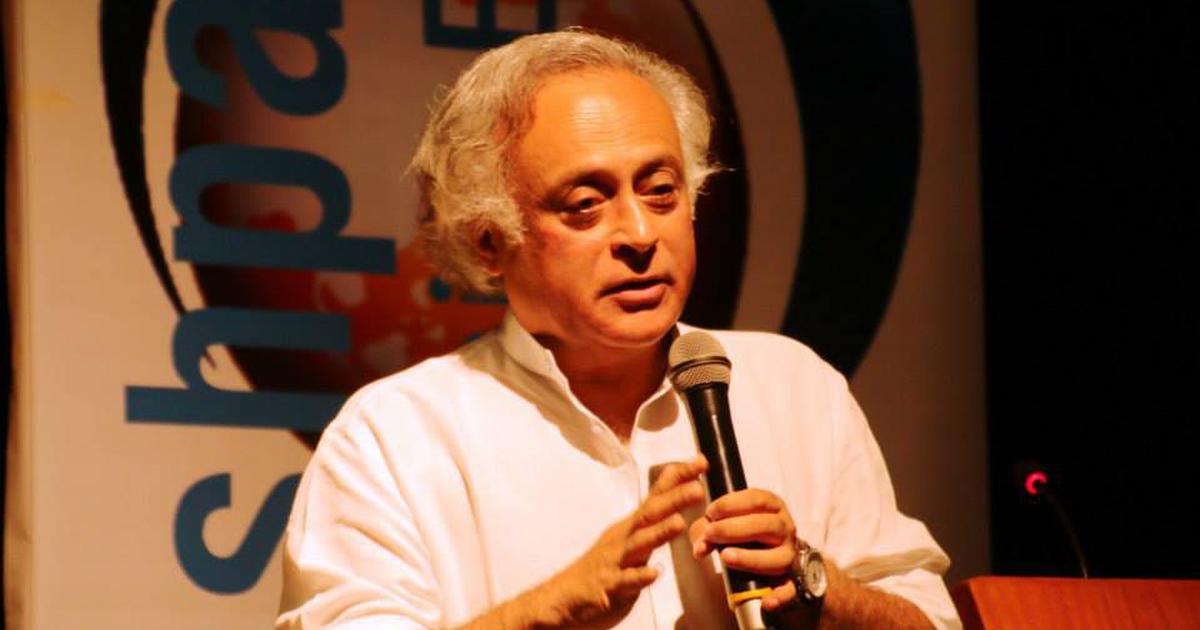
Jairam Ramesh, a prominent Congress leader, sharply criticized the US announcement, suggesting it implied that the Modi government had been compliant in reducing its purchase of Russian oil, thereby earning a temporary allowance to resume these imports. Ramesh commented, “From the US Treasury Secretary to now the President’s Press Secretary, it seems our government is being given a ‘certificate of good behavior.’ This raises serious questions about India’s autonomy in foreign policy.”
The remarks have fueled further debate among political factions in India, with the Congress party seizing the opportunity to highlight what they see as a lack of assertiveness in Modi’s approach to international relations. Critics argue this paints a troubling picture of India’s role on the global stage, with the leadership seemingly at the mercy of US decisions.
As the political discourse intensifies, the implications of this situation could extend beyond just oil imports, affecting India’s strategic positioning in global geopolitics. The upcoming discussions in Parliament are expected to further dissect the ramifications of this perceived dependency on US approval.