Writing a haiku may seem deceptively easy with its three concise lines and minimal syllables, making it a perfect choice for anyone wishing to encapsulate thoughts on the pressing issue of climate change. This poetic form, often completed faster than a cup of tea can cool, provides a powerful vehicle for expression, especially for those who might shy away from traditional forms of poetry.
Before diving into the art of haiku, it’s essential to shed the rigid teachings many received in school about syllable counts. The common belief that a haiku strictly adheres to a 5-7-5 syllabic structure is a misconception when it comes to English renditions. Originally, in Japanese, haikus are measured using a unit called the mora, which operates differently than syllables. For instance, the word “Tokyo” is perceived as two syllables in English but counts as four morae in Japanese. Therefore, aspiring poets should focus less on exact syllable counts and more on the essence of their message.
To craft a true haiku, one must incorporate four fundamental elements. Firstly, the subject matter must revolve around nature; if the focus shifts to human experiences, what results is a senryū—a poetic form equally valid, yet distinct in theme. Each haiku should feature a kigo, a seasonal reference that anchors the poem in a specific time of year. This could be anything from the blooming of a flower to the arrival of a festival, enriching the poem with sensory detail and relevance.
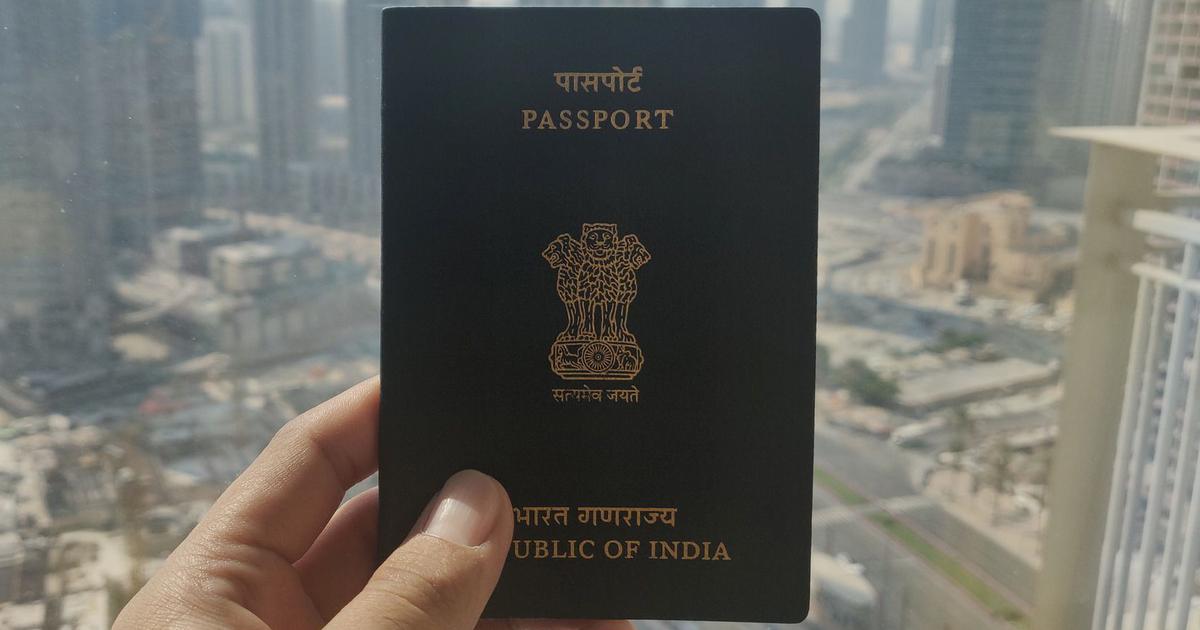
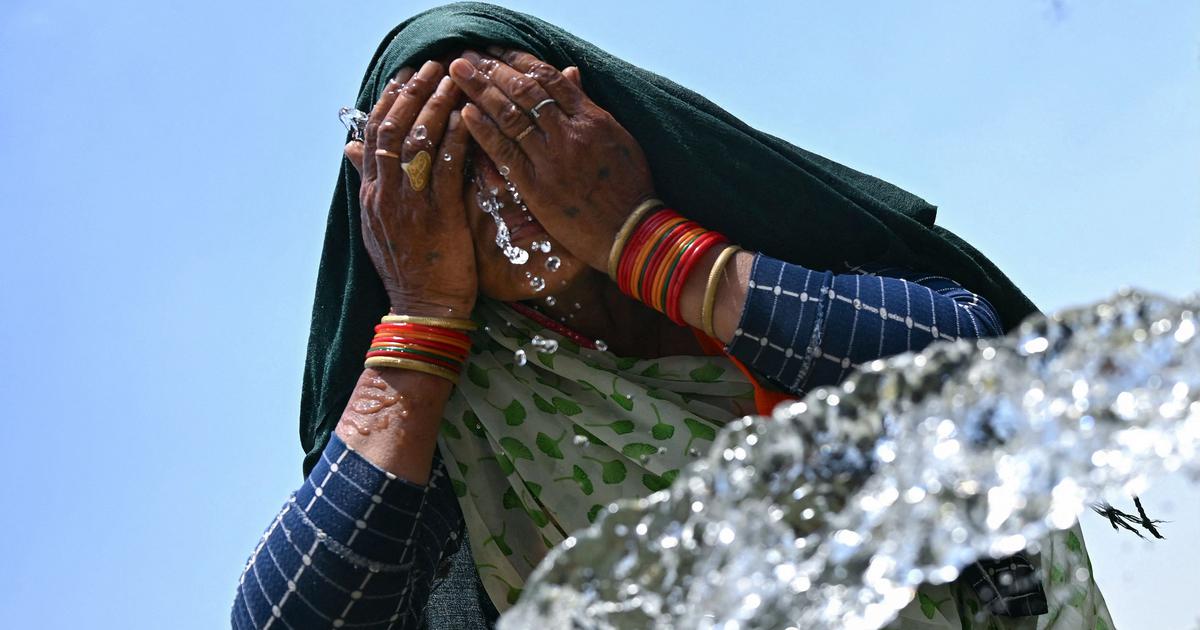
Moreover, haikus are typically written in the present tense, capturing a moment in time. This immediacy adds to the poem’s impact, allowing readers to feel as if they are experiencing the scene firsthand. In a country like India, where nature is deeply intertwined with culture and daily life, the possibilities for inspiration are vast. From the monsoon rains to the vibrant colors of Diwali, there is no shortage of themes to explore.
As environmental concerns grow more urgent, haikus can serve not only as a form of art but also as a call to action. They can highlight the beauty of our natural world while addressing the urgent need for its protection. For those looking to make a difference through their writing, embracing this poetic format can be a delightful and meaningful way to contribute to climate discourse.