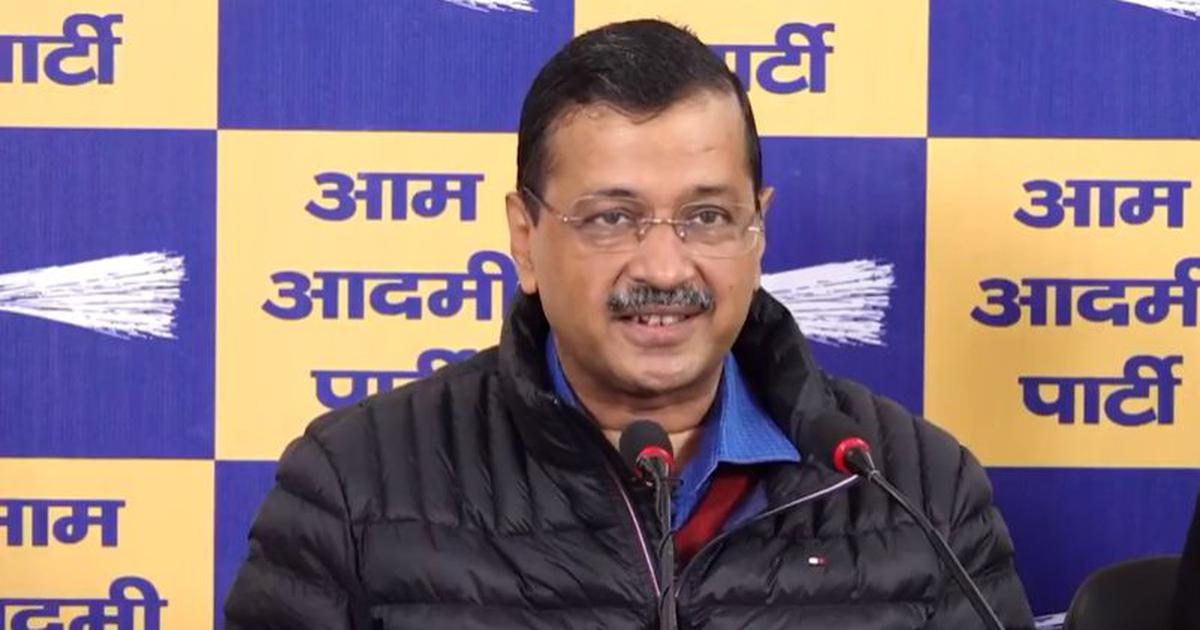
The Delhi High Court has issued a directive to social media platforms to remove videos featuring Aam Aadmi Party (AAP) leader Arvind Kejriwal, in which he requested the recusal of Justice Swarana Kanta Sharma from presiding over the Central Bureau of Investigation’s (CBI) appeal concerning his discharge in the contentious Delhi liquor policy case. This decision has garnered significant attention as it underscores the ongoing legal battles involving high-profile politicians.
On April 13, during court proceedings, Kejriwal articulated his arguments for why Justice Sharma should step aside from the case. However, these proceedings were widely disseminated across various social media platforms, prompting the court’s intervention. Following an earlier directive on April 15, law enforcement was tasked with removing unauthorized recordings of Kejriwal’s arguments, but the issue persisted, leading to the recent ruling.
The court’s recent actions came in response to a public interest litigation (PIL) aimed at holding Kejriwal and journalist Ravish Kumar accountable for allegedly recording and sharing court proceedings without proper authorization. The PIL has also implicated several other prominent figures, including Congress leader Digvijay Singh and various AAP members such as Manish Sisodia, Sanjay Singh, and others.
During the proceedings, representatives from Meta, the parent company of social media giants Instagram and Facebook, informed the court of their compliance with the directive to remove the contentious videos. In contrast, Google argued that certain YouTube clips cited in the petition were not derived from the court proceedings and thus did not fall under the purview of the order.
This legal skirmish highlights the ongoing clash between political figures and the judicial system in India, exacerbated by the rapid spread of information on social media. The court’s ruling is a crucial step in addressing the unauthorized sharing of sensitive legal content and reinforces the need for accountability in how such information is disseminated in the public domain.