Delhi’s Draft EV Policy: Subsidies for the Affluent but Ignoring Broader Mobility Challenges
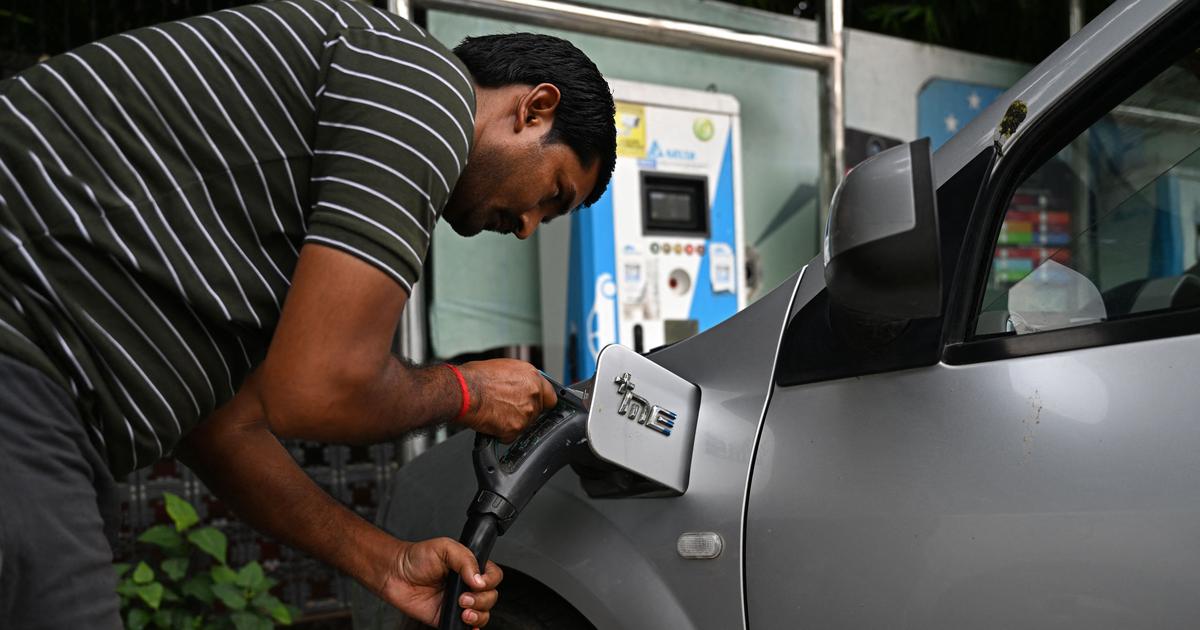
The Delhi government’s newly proposed electric vehicle (EV) policy, unveiled on April 11, aims to accelerate the shift to electric mobility through a range of incentives, tax exemptions, and restrictions on the registration of petrol and diesel vehicles. While the initiative is commendable in its intent, it raises significant concerns about its execution, particularly regarding its focus on affluent car owners and its narrow interpretation of urban transport issues.
One of the primary critiques of the draft policy is that it predominantly addresses air pollution as the chief concern related to vehicle emissions, which inadvertently justifies providing subsidies to wealthy car users. This approach is flawed as it overlooks a broader array of challenges posed by vehicle usage. Beyond air quality, the omnipresence of automobiles contributes to serious public health issues, including traffic accidents, noise pollution, and a decline in physical activity among residents. Moreover, the disproportionate space that vehicles occupy in urban settings detracts from public areas that could be utilized for parks, walking paths, and community spaces.
Furthermore, the environmental ramifications of vehicle production and the sourcing of materials for batteries cannot be ignored. The manufacturing of electric vehicles relies heavily on minerals such as lithium, cobalt, and nickel, the extraction of which poses significant environmental and social challenges worldwide. By framing the electrification of various vehicle types—ranging from two-wheelers to passenger cars—primarily as a means to mitigate air pollution, the policy fails to address the comprehensive rethink of urban mobility that is desperately needed in cities like Delhi.
Instead of merely seeking to lower emissions, a more holistic approach would consider how urban transportation can be restructured to promote safety, accessibility, and sustainability. This includes enhancing public transportation systems, encouraging non-motorized transport options, and creating pedestrian-friendly environments. The focus should be on reimagining how residents move around the city, with a concerted effort to reduce dependency on personal vehicles altogether.
As it stands, the draft EV policy appears to be a short-sighted solution that may inadvertently exacerbate traffic congestion and increase the number of vehicles on the roads. Policymakers are urged to reconsider their strategy, acknowledging that true progress in urban mobility will require a multifaceted approach that prioritizes the well-being of all residents, particularly those most affected by the ramifications of car-centric policies.