In an important development for electoral participation, Ashok Kumar, the Chief Electoral Officer of Delhi, announced on Monday that the Election Commission is set to implement a strategy to include voters whose homes have been demolished in the ongoing revision of electoral rolls. This initiative comes in light of the recent demolitions in the national capital, ensuring that affected individuals are not disenfranchised during the voter registration process.
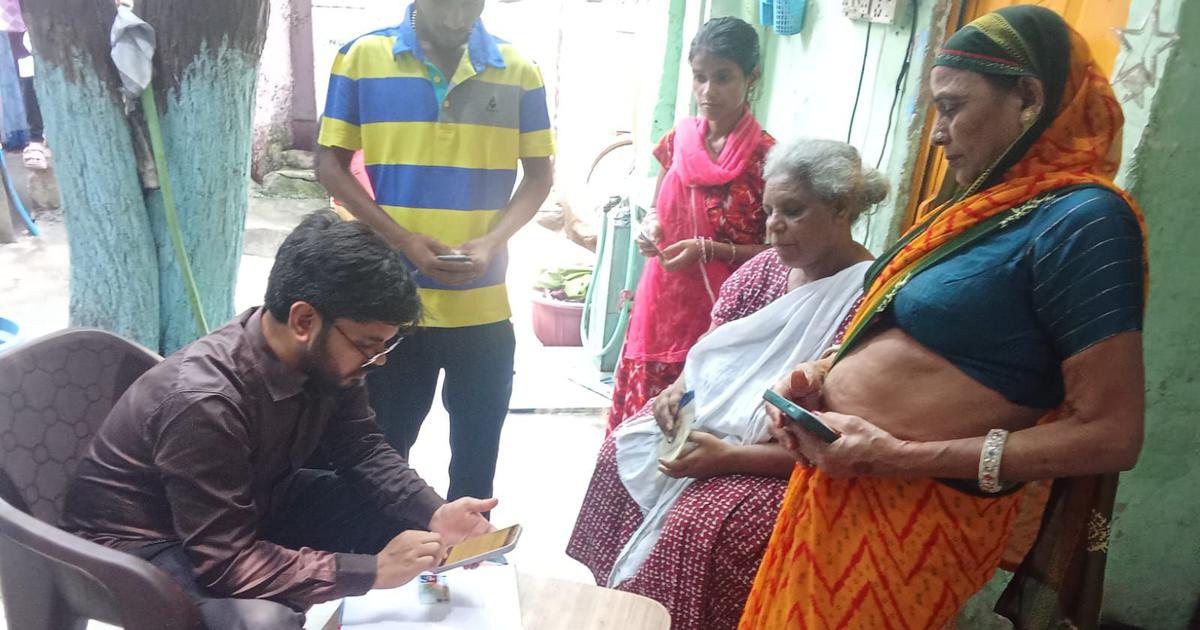
The announcement was made just a day before the commencement of a door-to-door enumeration exercise aimed at revising electoral rolls across Delhi. This intensive revision is part of a broader initiative that will also take place in states like Jharkhand, Karnataka, Maharashtra, and Meghalaya, running from June 30 to July 29. The aim is to ensure that every eligible voter is accounted for, even those facing severe housing challenges.
At a press conference, Kumar emphasized the potential predicament faced by voters whose registered addresses have become invalid due to demolitions. “There are likely electors whose homes have been taken down, making it impossible for them to provide proof of their residence during this critical period of electoral revision,” he remarked. This recognition of the issue shows the Election Commission’s commitment to inclusivity in the democratic process.
Kumar also addressed concerns regarding homeless individuals, affirming that booth level officers (BLOs) would make visits to every registered address, irrespective of the current living condition. He mentioned that these officers would conduct visits even if the registered address was a temporary location, highlighting their dedication to ensuring comprehensive coverage. “If necessary, BLOs will check at unconventional locations, such as under a flyover, to confirm the presence of voters,” Kumar stated.
This initiative is particularly essential as it reflects the Election Commission’s responsiveness to the realities faced by many residents of Delhi. With ongoing issues of housing and urban development, it is crucial to accommodate those who may otherwise be marginalized in the electoral process. As the month-long enumeration drive unfolds, it will be interesting to observe how effectively the Commission can implement its strategies to include vulnerable populations and uphold their democratic rights.