The Gulf region is witnessing a dangerous escalation of hostilities as the United States and Iran engage in strikes against each other, both accusing the other of breaching a recently signed interim peace agreement. The situation took a turn for the worse over the weekend as military actions intensified just days after diplomatic talks aimed at easing tensions.
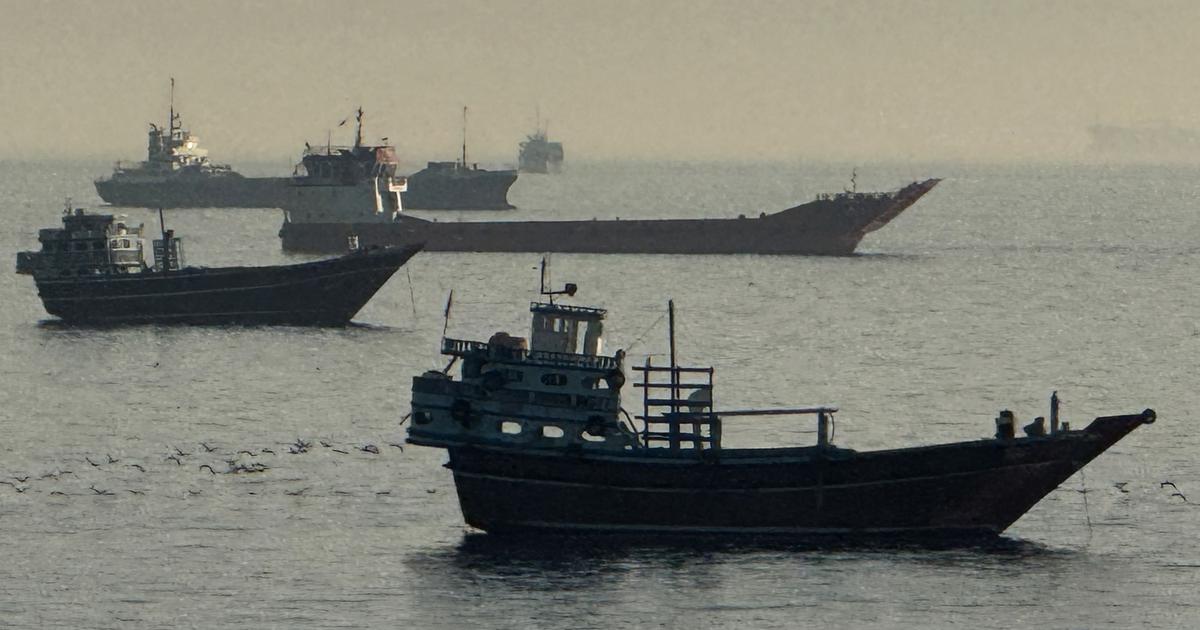
According to reports from the US Central Command, American forces conducted a series of precision strikes targeting Iranian military assets. These attacks were described as a direct response to what the US claimed was ongoing Iranian aggression towards commercial vessels. A specific incident highlighted by the US involved a drone assault launched by Iranian forces against a Panama-flagged tanker traversing the Strait of Hormuz, a critical maritime route for global oil shipments.
The US military stated that their operations focused on dismantling key components of Iran’s military infrastructure, including surveillance systems, communication networks, and air defense capabilities. This military action underscores the rising stakes in the region, where both nations are increasingly on edge. The US is particularly concerned about Iran’s attempts to assert control over maritime navigation in the Strait of Hormuz, a vital passage for oil transport.
In retaliation, Iran’s Islamic Revolutionary Guard Corps (IRGC) confirmed that it had launched a series of missile and drone strikes targeting US military facilities in Kuwait and Bahrain. This included strikes on the Ali al-Salem airbase in Kuwait and facilities associated with the US Navy’s Fifth Fleet in Bahrain. Iran’s actions were framed as a necessary response to perceived violations of the agreements and threats to its sovereignty.
The IRGC emphasized that they possess the right to enforce navigation regulations in the Strait of Hormuz and warned that any disturbances would be met with increased military force. This stark warning signifies a worrying precedent for regional security, as both nations seem to be locked in a cycle of retaliation that could have broader implications for global oil supply and stability in the Gulf.
The backdrop to these recent skirmishes includes a long history of antagonism between the US and Iran, marked by sanctions, proxy conflicts, and shifting alliances in the Middle East. The interim peace deal, signed less than two weeks ago, was seen as a potential pathway toward reducing hostilities; however, these recent developments raise serious questions about its viability.
For Indian observers, the escalating conflict in the Gulf could have significant consequences, given India’s reliance on oil imports from the region. India has historically maintained a neutral stance in the US-Iran tensions but may need to reassess its diplomatic approach as regional dynamics shift. The potential for disruption in oil supplies and the rising cost of crude oil could impact India’s economy and energy security.