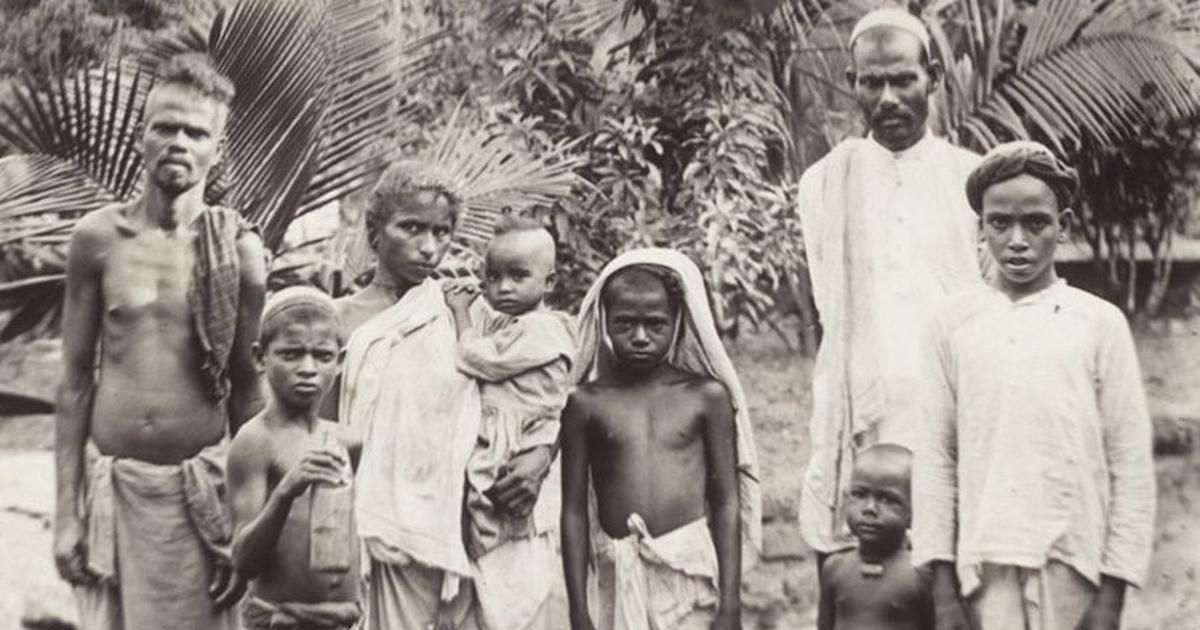
The concept of caste is often synonymous with Hindu society in India, leading many to believe that such hierarchical structures do not exist among Muslims. However, recent explorations into the social fabric of Malabar Muslims in South India reveal that caste-like distinctions are indeed present and warrant a closer examination.
For long, many within the Muslim community have either dismissed the notion of caste or attributed its existence to the influence of surrounding Hindu cultures. This denial raises questions about the complexities of social order within Islamic communities in India. PC Saidalavi, an academic who authored the thought-provoking book ‘Seeking Allah’s Hierarchy: Caste, Labor, and Islam in India,’ once shared this perspective. However, a pivotal moment occurred in 2013 when his advisor, Arshad Alam, encouraged him to delve deeper into the realities of caste within Malabar’s Muslim population.
Saidalavi’s research reveals a nuanced understanding of how caste operates within this community. Although Islam fundamentally promotes egalitarianism, the interplay between religion and culture cannot be ignored. Many Muslims invoke the principles of Islam to sidestep discussions about caste, often claiming that while caste exists among them, it is a societal construct rather than a religious one. This assertion, however, risks oversimplifying the intricate social dynamics at play, suggesting a disconnect between religious ideals and lived experiences.
Through his fieldwork, Saidalavi encountered various layers of social hierarchies that challenge the stereotype of a caste-free Muslim society. His findings indicate that caste-like divisions are indeed woven into the everyday lives of these communities, affecting social interactions, economic opportunities, and even marriage choices. This raises important questions about how these dynamics shape the identities and experiences of Malabar Muslims.
The implications of such caste distinctions are significant, particularly in understanding broader socio-economic relations in India. The acknowledgment of caste-like structures among Muslims can lead to a more inclusive discourse on social justice and equality. By confronting these realities, Malabar Muslims may find pathways toward greater unity and empowerment, fostering deeper engagement with their cultural and religious identities.