Exploring Modern Masculinity: Snigdha Poonam’s ‘Dreamers’ and the Crisis of Young Indian Men
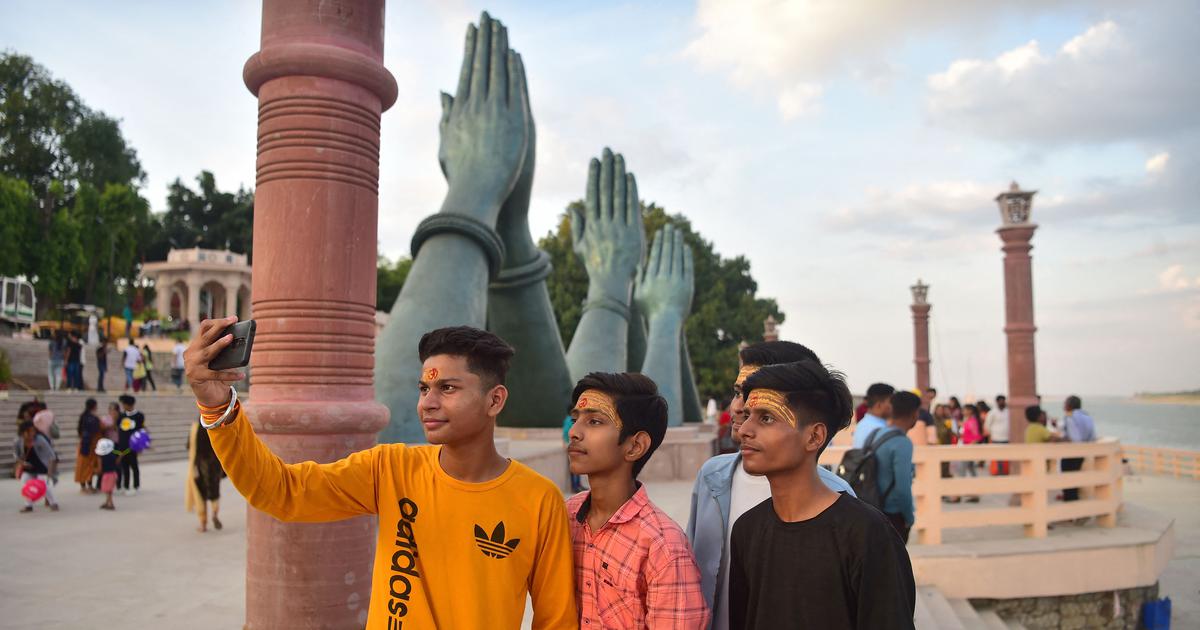
In contemporary India, the struggles of young men are becoming increasingly emblematic of broader societal anxieties. Snigdha Poonam, a seasoned journalist and author, delves deep into this phenomenon in her acclaimed book, Dreamers: How Young Indians Are Changing Their World, published in 2018. Her narrative pivots around the turmoil faced by young men grappling with their identities in a rapidly transforming society, where traditional roles are becoming increasingly blurred.
Poonam reflects on a particularly poignant observation: the disarray of modern India often stems from the confusion experienced by young men who find themselves lost in a world that seems to have passed them by. Compounding this crisis is the realization that women, who are increasingly assertive and self-assured, have navigated their own trajectories with remarkable clarity. This shifting dynamic has left many young men feeling marginalized and unsure of their place, sparking a wave of misdirected anger and frustration.
The cinematic landscape offers a vivid illustration of these tensions. The recent success of films like Dhurandhar 2: The Revenge underscores a troubling trend in Bollywood—where hyper-masculinity, extreme violence, and jingoism dominate the narrative. As this sequel outperforms its predecessor at the box office, it becomes clear that audiences are drawn to a brand of entertainment that glorifies vengeance and aggression, rather than the nuanced romances that once defined the industry. The rise of such blockbusters emphasizes a cultural shift where hate and heroism are intertwined, overshadowing the more wholesome depictions of love that once captivated viewers.
As these cinematic tropes gain traction, they risk perpetuating a cycle that alienates young men even further. The reliance on tropes of revenge and aggression not only shapes societal expectations but also distorts the understanding of masculinity among youth. Unlike earlier films that celebrated the charming hero willing to defy societal norms for love, today’s narratives often depict men as embittered and reactive, casting them as potential losers in this evolving cultural landscape. This is particularly concerning for a generation that is already grappling with identity crises in the face of shifting gender dynamics.
Poonam’s observations resonate deeply within the broader context of Indian society today. As young men contend with feelings of inadequacy and displacement, it is essential to examine the underlying causes of their angst. The societal shifts towards gender equality and women’s empowerment are, in many ways, a call for men to redefine their roles—not as dominators but as partners in progress. The challenge lies in transforming the narrative from one of competition and conflict to one of collaboration and shared growth.
In Dreamers, Poonam captures the voices of young Indians who are forging new paths. By shedding light on their aspirations and struggles, she provides a counter-narrative to the prevailing images of toxic masculinity. It is imperative for society to engage with these perspectives, fostering discussions that encourage young men to embrace vulnerability and redefine success in more inclusive terms. Only then can we hope to address the misdirection that fuels anger and resentment, paving the way for a more harmonious coexistence.