Exploring Political Resistance in Khasi Hills Through Tarun Bhartiya’s ‘Em No Nahi’ Photobook
The serene landscape of the Khasi Hills, captured in stunning black and white, serves as a poignant backdrop in Tarun Bhartiya’s posthumously published photobook, ‘Em No Nahi.’ This collection reveals not just the breathtaking vistas, but also the rich emotional and political tapestry of the region. The opening images—a vast expanse of grass and clouds interrupted by a solitary goat, followed by a child standing in front of a tin hut—set the tone for a narrative steeped in the struggle between nature and industrial exploitation.
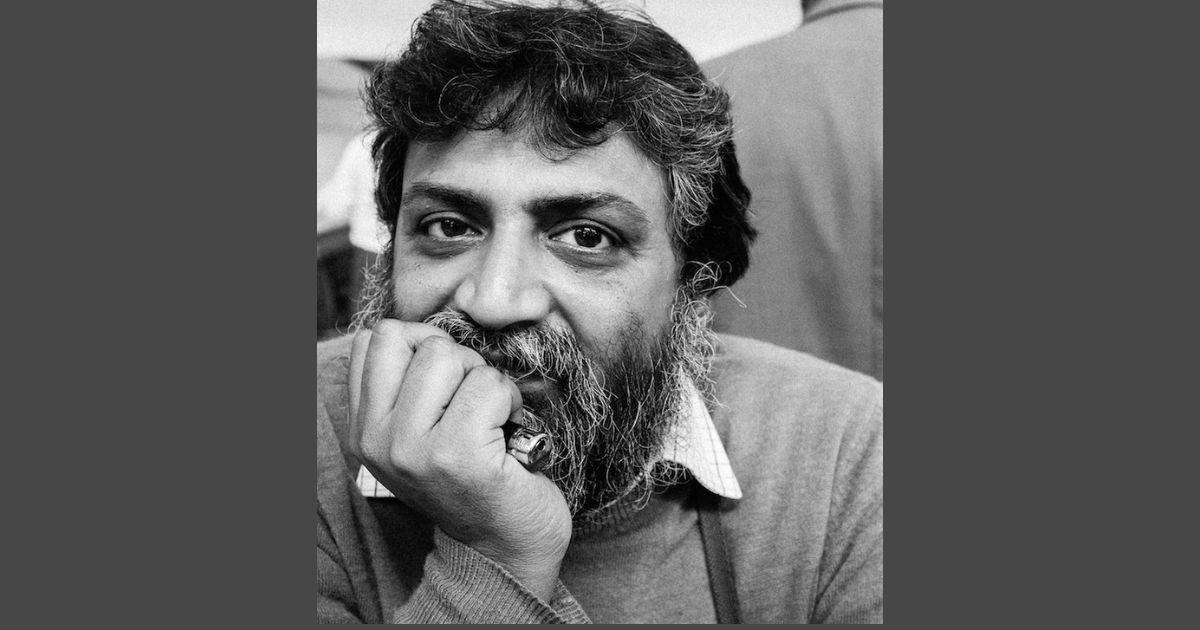
Bhartiya, a multifaceted artist known for his work as a documentary filmmaker, photographer, and poet, intricately wove the stories of the Northeast Indian landscape into his art. Despite being labeled an outsider, or ‘Dkhar,’ since he moved to Shillong at the tender age of nine, Bhartiya’s dedication to the region’s issues never wavered. His passion for justice and advocacy for environmental protection is powerfully embodied in ‘Em No Nahi,’ which focuses on the resilient figure of Kong Spillity Lyngdoh Langrin. This matriarch of the Domiasiat community is renowned for her unwavering stand against uranium mining efforts by the Atomic Minerals Division of the Indian government.
The photobook not only captures the breathtaking beauty of the Khasi Hills but also serves as a stark reminder of the ongoing struggle against environmental degradation. The images reflect Bhartiya’s deep engagement with the political realities of the region, where the impact of mining threatens both the land and the communities that have thrived alongside it for generations. Through his lens, we witness the contrast between the natural world and the encroaching industrial forces that seek to exploit it.
As the photographs unfold, they narrate a story of resistance and resilience. Kong Spillity’s activism becomes a symbol of the fight against corporate and governmental disregard for indigenous rights and environmental sustainability. The poignant imagery invites readers to reflect not only on the beauty of the Khasi Hills but also on the urgent need to protect such landscapes from exploitation.
Bhartiya’s work transcends mere documentation; it acts as a call to action for environmental awareness and social justice. In a time when industrial activities threaten ecological balance, his photographs remind us that the land is not just a resource, but a shared heritage that must be preserved for future generations. ‘Em No Nahi’ stands as a testament to Bhartiya’s vision and commitment to the people and the land of Northeast India, capturing the spirit of a community unwilling to let their heritage be tarnished by the greed of a few.