




Exploring the Evolution of Delhi’s Mughal and Sultanate Architecture into Modern Monuments
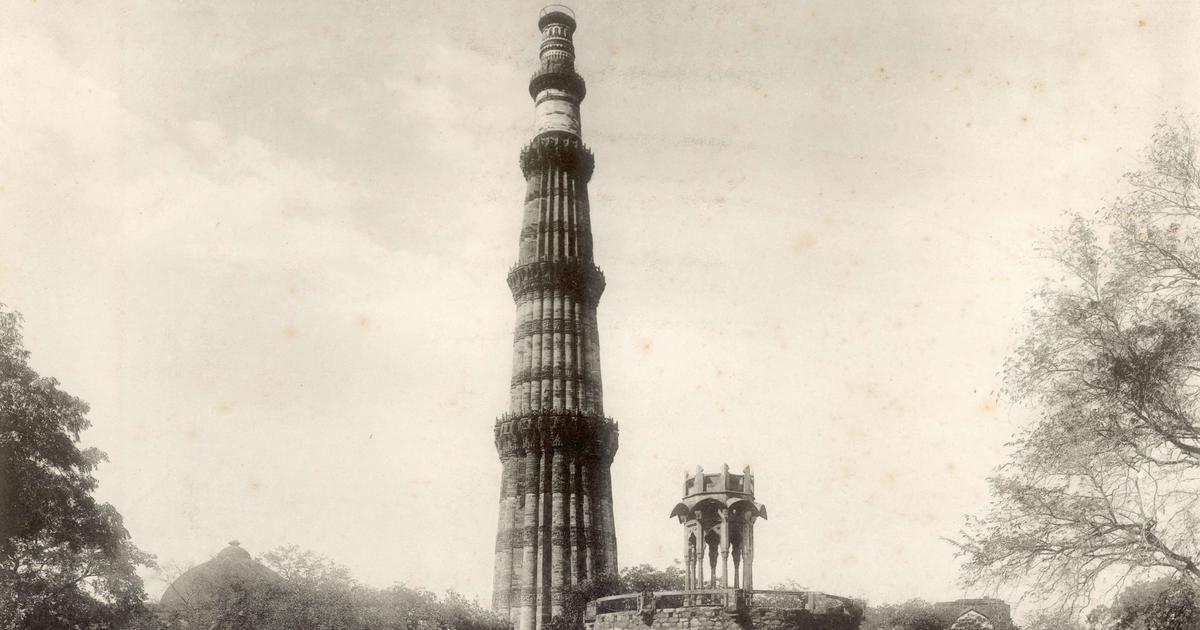
The architectural wonders of Delhi, particularly those from the Sultanate and Mughal eras, have undergone significant transformations over the years, evolving from historical structures to modern-day monuments that attract visitors from around the globe. This journey of adaptation not only reflects the changing times but also highlights the intricate relationship between history and cultural identity.
In 1848, Emily Metcalfe’s adventurous ascent of the Qutb Minar—a remarkable edifice dating back to the 12th to 14th century—offered her a moment of tranquility away from the restrictions imposed on women of her time. Her father, Thomas Metcalfe, believed that the indulgence in flavorful mangoes and oranges should be kept private, showcasing the social norms of the British colonial era. Such personal narratives not only shed light on the lives of women during these times but also connect us to the historical significance of the sites themselves.
Fast forward to the grand Delhi Durbar of 1903, where the Qutb mosque complex served as a setting for an anxious picnic experienced by Mrs. Thompson, the wife of a British official. The presence of ‘crowds of natives’ around her, while her husband climbed the minar, mirrors the colonial attitudes of the time—where fear often intertwined with curiosity. Meanwhile, the opulence of the ongoing celebrations was exemplified by Vicerine Lady Curzon, who captured attention in her stunning diamond-studded dress at the historic Lal Qila (Red Fort). Such events not only underscore the architectural grandeur but also portray the complex social dynamics during the British Raj.
By 1906, tensions surrounding cultural practices emerged when Colonel Osborne confronted khadims at the Jama Masjid, refusing to adhere to the mosque’s custom of wearing shoe coverings. This incident starkly contrasted with the picturesque representations of the site often depicted in travel postcards. It highlighted the clashes between colonial authority and local traditions—an ongoing theme in the historical narrative of Delhi’s majestic monuments.
The 1911 Durbar marked another pivotal moment in Delhi’s history, as it announced the city as the capital of British India. King George V and Queen Mary adopted Mughal traditions by presenting themselves on the jharokha-i darshan, a ceremonial balcony designed for royal appearances. This act not only represented a connection to India’s rich past but also showcased how imperial powers sought to legitimize their rule by aligning themselves with the cultural legacies of the subcontinent. Such moments have contributed to the narrative of how these magnificent structures became emblematic of both historical significance and modern identity.
Today, Delhi’s Mughal and Sultanate architecture stand as modern monuments that encapsulate centuries of history, cultural syncretism, and the evolution of societal norms. They continue to be a source of fascination for tourists and locals alike, as each visit offers a glimpse into a layered past that still resonates with contemporary life. As we explore these enchanting sites, it becomes evident that they are not merely relics of history but living testaments to India’s rich tapestry of culture and resilience.



3 Comments
kk222
April 14, 2026kk222 is on my go-to list! Always a steady stream of action here, site performance is reliable. If you want something solid, this might be your spot. kk222
pk36
April 14, 2026Pk36 what’s up. Seems like a new player in the game. I’m gonna give it a whirl. You never know, it might be your new favorite. pk36
winwinbetpk
April 14, 2026Winwinbetpk is alright. The selection of games is pretty good and the site’s easy enough to navigate. Could be worse! Give it a shot: winwinbetpk