From Poetic Plates to AI Food Dramas: The Culinary Chronicles of Arabic and Persian Literature
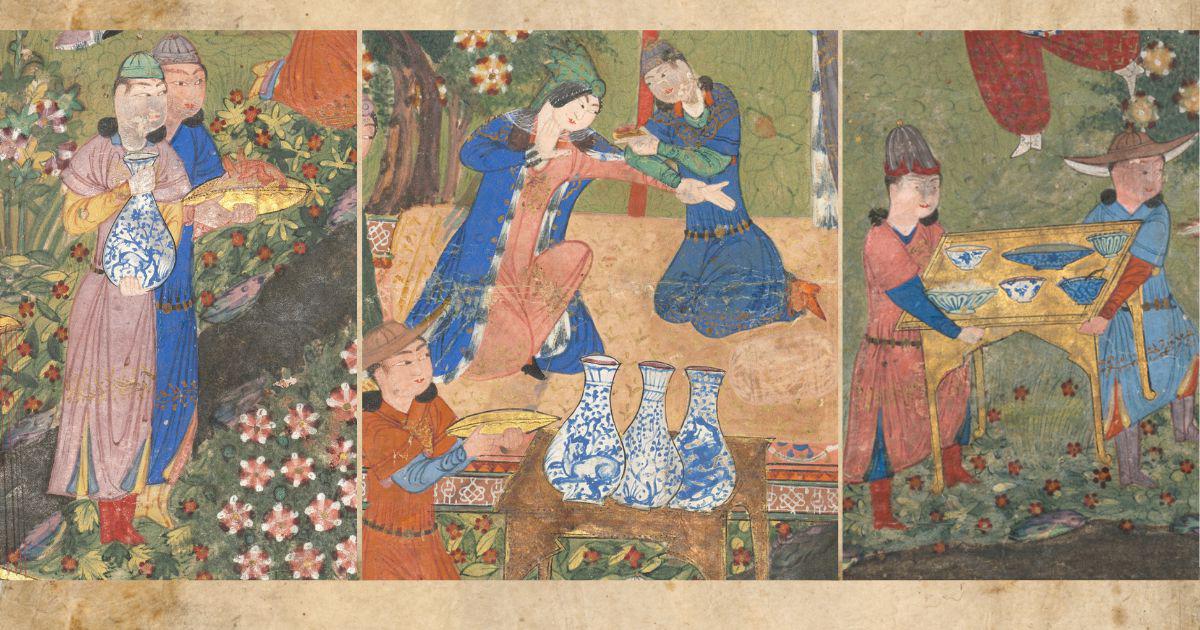
Long before artificial intelligence began crafting whimsical tales of talking food, a rich tapestry of culinary poetry flourished in the Arabic and Persian literary worlds. These poets and storytellers transformed mundane ingredients into vibrant characters with rich narratives, reflecting the cultural and social upheavals of their times.
Imagine, if you will, a scene where a rogue strawberry named Strawberrito embarks on a scandalous affair with a charming yet deceptive Banananito, while Chawal, the rice character, finds himself smitten with Tacito (the taco) during a heart-wrenching trip to Mexico. Meanwhile, back in Punjab, his heartbroken girlfriend, Rajma, languishes in their village, yearning for his return. In another narrative, a potato untangles a web of intrigue, discovering that his colleague Brinjal is embroiled in a money-laundering scheme at Onion’s car repair shop. These dramatic escapades are reminiscent of the modern, AI-generated food dramas that have captivated audiences today.
However, this contemporary genre, with its outlandish scenarios, pales in comparison to the intricate and imaginative narratives spun by poets from the 11th to 19th centuries across regions spanning from Cairo to Shiraz to Hindustan. Through their literary genius, these poets breathed life into flowers, fruits, vegetables, and various culinary elements, transforming them into characters with ambitions, rivalries, and wisdom. This creative expression served not only as entertainment but also as a reflection of the prevailing societal norms and changes of their times.
Within this rich tradition, culinary poetry became a vessel for exploring deeper themes of love, betrayal, and friendship, all set against the backdrop of food. The dynamics between characters often mirrored the complex relationships found in human society, making these poems relatable across centuries. The poets of the past tackled profound issues while simultaneously enchanting readers with their whimsical tales of culinary existence, showcasing a blend of humor and poignancy.
Today, as we witness the rise of AI-generated content that attempts to mimic these narratives, it is important to recognize the historical significance and depth of the original culinary poetry. While the likes of Strawberrito and Banananito may entertain us momentarily, they cannot replicate the profound cultural commentary and artistic expression found in the works of Arabic and Persian poets.
As India continues to embrace technology in storytelling, it is crucial to honor and explore the rich literary heritage that has shaped our understanding of food and culture. By delving into the culinary poetry of the past, we can glean valuable insights into our contemporary lives, fostering a deeper appreciation for the stories behind the food we consume.