As the US and Israel wage war with Iran, India is beginning to feel the tremors at home.
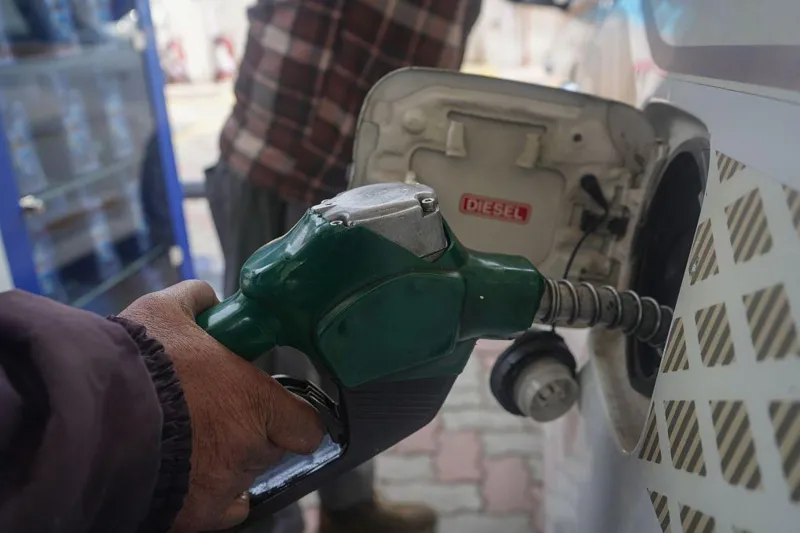
Nearly half of India’s crude oil imports – along with a large share of its liquefied natural gas (LNG) and liquefied petroleum gas (LPG) shipments – normally pass through the Strait of Hormuz, the narrow Gulf chokepoint now effectively closed by the conflict.
India’s ties to the region run deeper than energy. About 10 million Indians live and work across the Gulf, sending home record remittances that support millions of families and help finance a large slice of India’s external accounts.
More broadly, India’s economic links with the Middle East run deep: the region accounts for 17% of India’s exports, supplies 55% of its crude oil and generates 38% of its remittances, according to Jefferies, a brokerage firm.
A widening war in the Gulf could therefore hit India on several fronts: energy supplies, remittance flows from the diaspora and Delhi’s delicate diplomatic balancing act between Washington, Tehran and the Arab Gulf states.
For now, Delhi is cautious.
India is “waiting and watching” amid mounting uncertainty, says Harsh V Pant of the think tank Observer Research Foundation.
Iran’s targeting of Arab Gulf states has sharpened Delhi’s concerns. India’s equities in the Arab world – diaspora, remittances, energy, trade and institutional ties – are far deeper, Pant notes. That explains why India has been more vocal about the “damage and destruction” there.
If the crisis drags on, Pant warns, it could prove “more damaging in terms of the long-term engagement of India with the region”.
For all the rhetoric around India-Iran ties, Pant argues, they have long been constrained – most notably by Iran’s marginalisation in the global economy. That reality has pushed India to deepen partnerships with key Gulf states, which means instability there will be viewed in Delhi with far greater urgency.
But India could stand to lose diplomatically as well, according to KC Singh, a former Indian ambassador to Iran.
“Prime Minister Narendra Modi’s unwillingness to criticise Israel during his recent visit, days before the attacks, has robbed India of its neutrality. Iran is unlikely to forget it,” Singh wrote in The Tribune.
The fallout for India could show up in four places: energy, remittances, its Gulf diaspora and a strategic port in Iran.