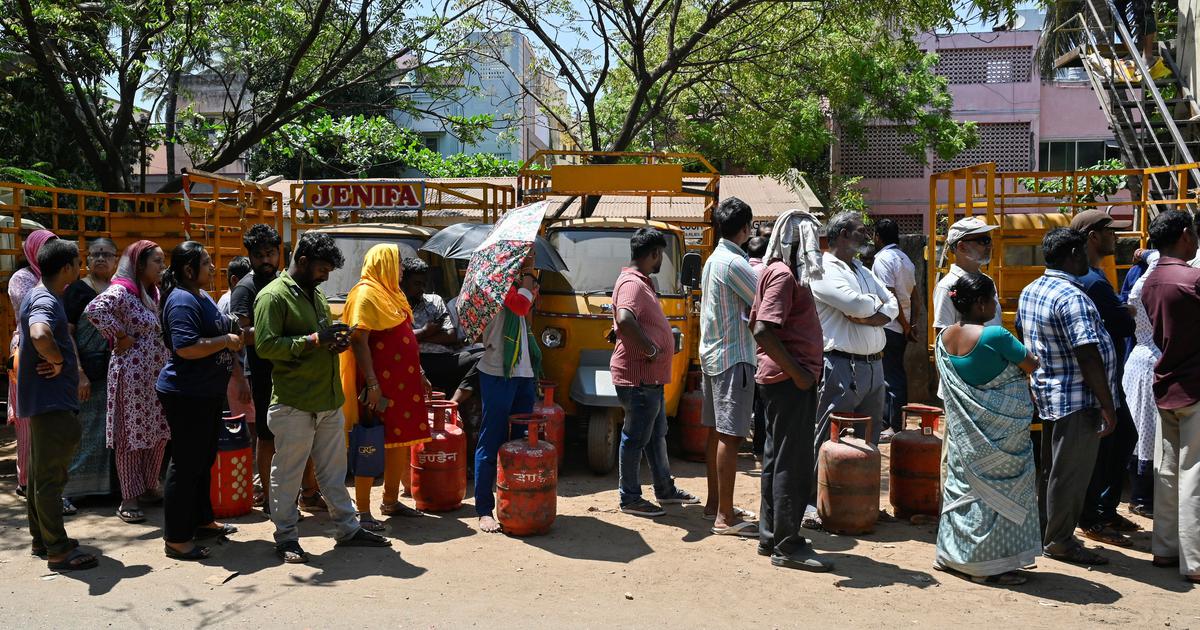
The Union government has issued a strong advisory for households relying on liquefied petroleum gas (LPG), urging them to transition to piped natural gas (PNG) wherever feasible. This mandate comes in response to significant disruptions in energy supplies stemming from geopolitical tensions in West Asia, which have severely impacted India’s gas imports.
Since the onset of conflict in the region on February 28, the Strait of Hormuz has seen increased blockades, effectively limiting the passage of international vessels. This strategic chokepoint is crucial as approximately 20% of the world’s petroleum supply traverses these waters, making India, which imports about 60% of its LPG needs—primarily from Gulf countries—particularly vulnerable to supply shocks.
In light of these circumstances, the Indian government is taking proactive measures to alleviate the pressure on LPG supplies by promoting the adoption of PNG. The Ministry of Petroleum and Natural Gas has proposed an increase in commercial LPG allocations to states that take steps to expand the PNG infrastructure, signaling a pivotal shift in energy policy toward greater reliance on domestic gas supply.
On Tuesday, a formal notification was issued under the Essential Commodities Act, detailing the 2026 Natural Gas and Petroleum Products Distribution Order. This legislation aims to streamline the development of pipeline infrastructure, minimize bureaucratic hurdles, and encourage the transition from LPG to PNG as a means to bolster energy security across the nation. Importantly, the new directive stipulates that households that fail to switch to PNG within three months of the availability notice will see their LPG supply terminated, underscoring the urgency of this transition.
The government’s initiative is not just a response to current supply chain issues, but also part of a broader strategy to enhance India’s energy independence and sustainability in the long term. As countries worldwide shift toward cleaner energy solutions, this move towards PNG aligns with global trends while addressing the immediate challenges posed by international energy markets.
Moreover, this transition opens up new opportunities for households to benefit from a more reliable and potentially cost-effective source of energy. PNG infrastructure, once established, promises to provide a continuous supply, reducing the reliance on imported LPG and insulating consumers from the volatility of global energy prices.
As India navigates these challenging times, the government’s call to action reflects a decisive step toward ensuring energy security for its citizens while adapting to the dynamic landscape of global fuel supply.