In a pivotal moment for Hungary, opposition leader Péter Magyar has emerged victorious in what many are calling the most critical election in the nation’s recent history. This decisive win over Prime Minister Viktor Orbán and his Fidesz Party marks the end of a 16-year period characterized by increasing corruption and authoritarian governance. The implications of this electoral shift are expected to reverberate not only within Hungary but also across global political landscapes from Moscow to Washington.
The recent elections were framed as a crucial referendum on Hungary’s future direction: whether to embrace democratic values and align with the West or to continue succumbing to the authoritarian instincts that have crept into its governance. Magyar’s impressive victory, securing a remarkable two-thirds majority with at least 138 out of 199 parliamentary seats, sends a powerful message against the rising tide of nativism and divisive politics that have increasingly infiltrated mainstream discourse.
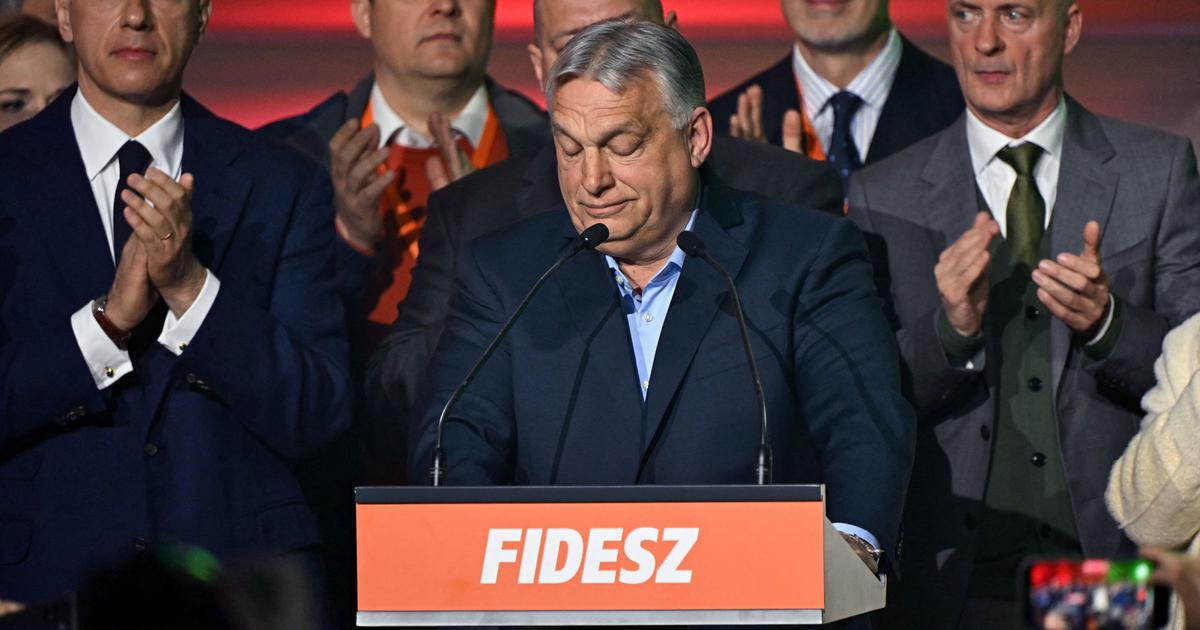
While many observers noted the high voter turnout, which surpassed 74% and set new records, it was the nature of Orbán’s concession that caught many off guard. Instead of attempting to cling to power through manipulation or leveraging state security forces, the Prime Minister accepted defeat gracefully. This unexpected move suggests a recognition of the strong anti-government sentiment simmering among the Hungarian populace—one that could have easily ignited widespread protests akin to the “colour revolutions” seen in neighboring countries like Ukraine and Georgia.
Magyar’s success is not just a national victory; it represents a broader fight against authoritarianism in the region. As illiberal regimes increasingly challenge democratic norms, Hungary’s electoral outcome serves as a beacon of hope, urging other nations grappling with similar issues to reconsider their political trajectories. The importance of this election transcends borders, resonating with citizens in other democracies who may feel their own freedoms under threat.
As Hungary embarks on this new chapter, the world watches keenly. The political ramifications of Magyar’s victory extend well beyond Hungary, potentially reshaping alliances and influencing the strategies of governments facing their own struggles against authoritarianism. As the political landscape undergoes a significant transformation, one can only wonder how this renewed commitment to democracy will play out for the future of Hungary and its role in the European Union and the wider international community.