India Responds After Iranian Warship Sunk by US; Jaishankar Says Vessel Was ‘Caught on the Wrong Side of Events’
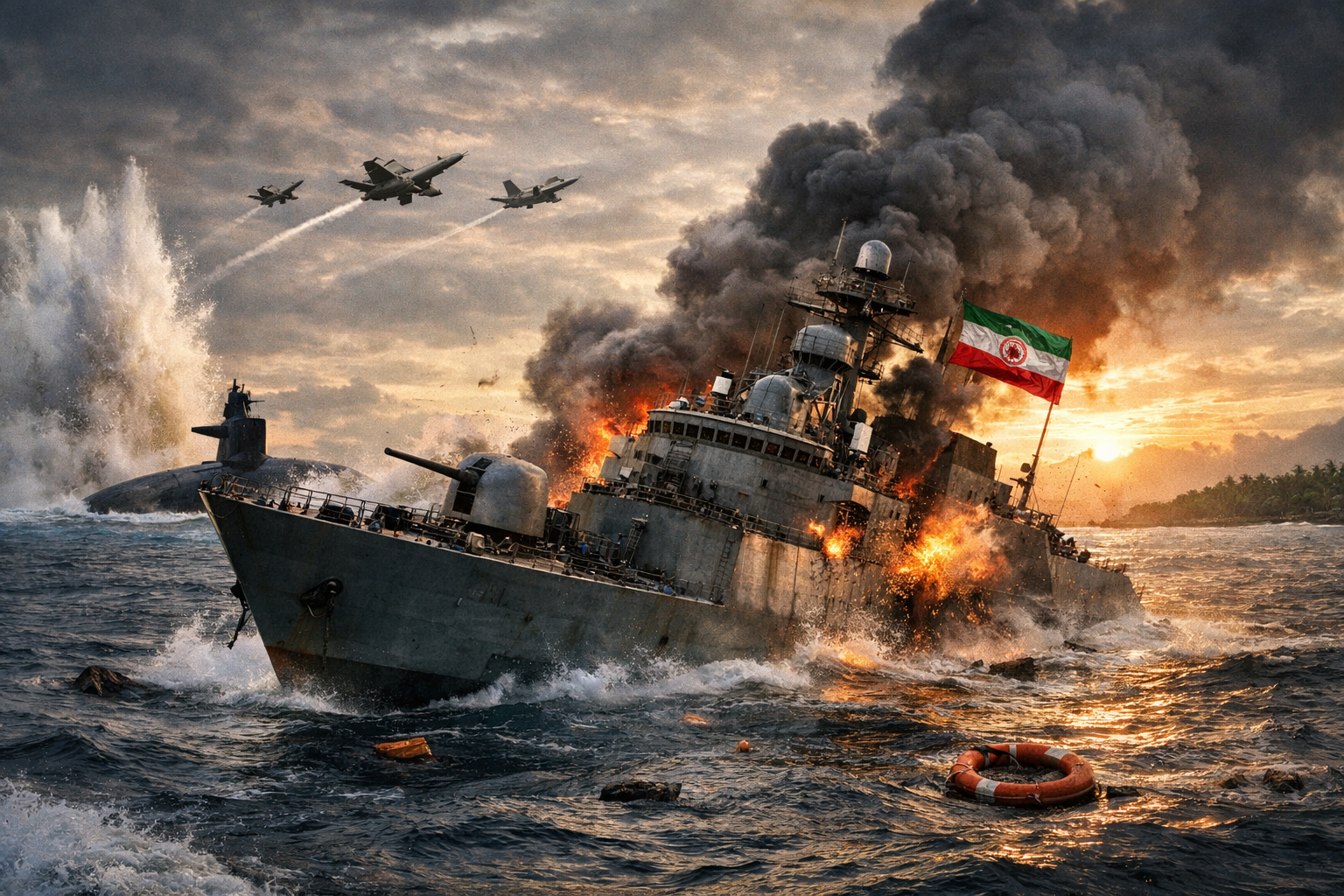
India’s External Affairs Minister Subrahmanyam Jaishankar has addressed the sinking of an Iranian naval vessel by the United States in the Indian Ocean, stating that the ship was “caught on the wrong side of events” amid the escalating tensions linked to the Iran–Israel conflict and wider regional instability.
The incident has added a new dimension to growing maritime tensions in the Indian Ocean, raising concerns about the safety of international shipping routes and the involvement of global powers in the region.
Iranian Ship Sunk in Indian Ocean
According to reports, the Iranian naval vessel IRIS Dena was sunk by a United States Navy submarine near the waters off Sri Lanka earlier this week. The ship was reportedly returning after participating in international naval engagements in the region.
The attack comes amid heightened tensions between Iran, Israel, and the United States, as the conflict increasingly spills into international waters.
Initial reports suggest that dozens of Iranian sailors were on board the vessel at the time of the attack, and rescue operations were carried out by nearby authorities.
Jaishankar Explains India’s Position
Speaking about the incident, Jaishankar emphasized that India’s priority remains the safety of seafarers and regional stability.
He noted that another Iranian ship had approached India requesting assistance and permission to dock due to difficulties at sea. India allowed the vessel to enter port on humanitarian grounds, reflecting the country’s long-standing maritime tradition of helping ships in distress.
“Sometimes ships get caught on the wrong side of events,” Jaishankar said, indicating that the vessel was not necessarily directly involved in the ongoing conflict but became a casualty of the rapidly escalating situation.
Iran–US Tensions Escalate
The sinking of the warship has triggered strong reactions from Tehran, with officials condemning the attack and warning of potential retaliation.
The maritime confrontation highlights the widening scope of the conflict in the region, with the Indian Ocean emerging as a strategic zone where global powers are increasingly active.
Security analysts warn that such incidents could disrupt critical shipping lanes and further destabilize the already tense geopolitical environment.
India’s Diplomatic Balancing Act
For India, the situation presents a delicate diplomatic challenge. New Delhi maintains strategic relationships with both the United States and Israel while also sustaining long-standing ties with Iran.
By allowing the distressed Iranian ship to dock, India signaled its commitment to humanitarian principles without taking sides in the conflict.
Experts say India will likely continue urging restraint and diplomacy while prioritizing the safety of Indian maritime routes and citizens working in the region.