




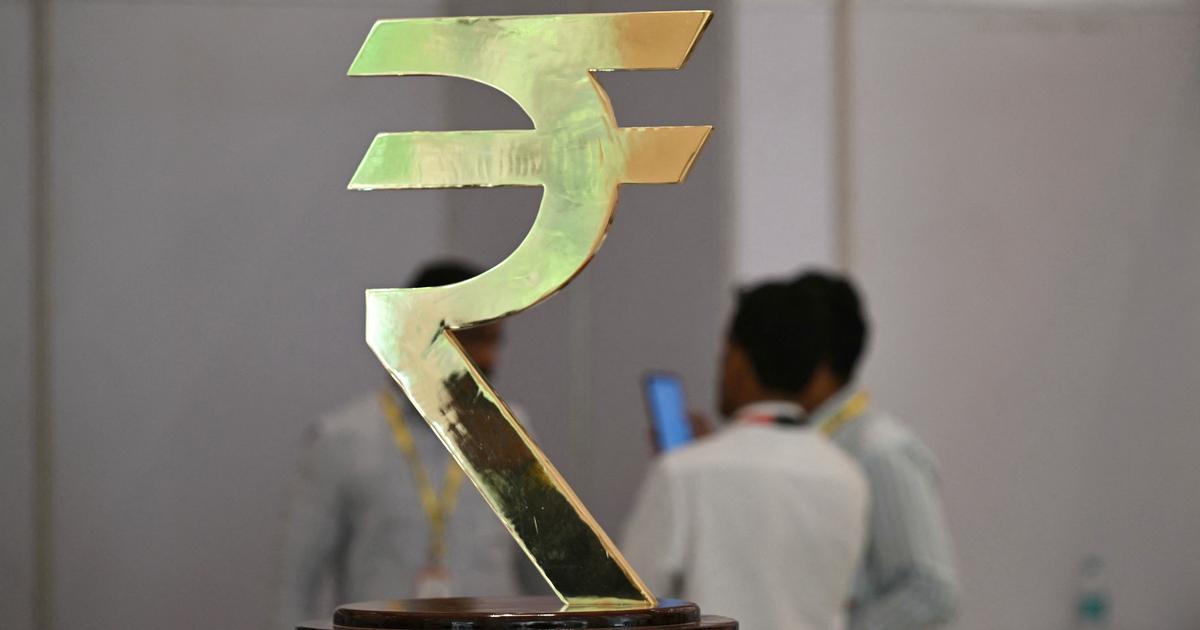
The Indian rupee has plunged to an unprecedented low of 95.8 against the US dollar, marking a significant decline in the currency’s value. This all-time low was recorded on Friday, with the rupee witnessing a steep drop during intraday trading, even breaching the psychologically significant 96-per-dollar threshold. The deterioration of the rupee is primarily attributed to soaring global oil prices amid escalating conflicts in West Asia and persistent inflation concerns.
In the current year alone, the rupee has suffered losses exceeding 6%, with nearly a 2% depreciation observed over the past week. This trend illustrates the ongoing economic challenges faced by the country, as factors like international crude oil prices surge dramatically, affecting the overall currency stability. The recent spike in oil prices, now at $109 per barrel, has been largely triggered by geopolitical tensions following military actions in the region.
As tensions escalate, particularly involving Iran and its neighbors, the repercussions are being felt across global markets. On February 28, the US and Israel launched coordinated strikes against Iranian targets, citing an existential threat posed by Tehran’s actions. In retaliation, Iran launched attacks on US military bases and regional targets, further straining international relations and contributing to rising oil prices.
The ramifications of these developments have extended beyond the currency market; the Indian stock market also felt the impact, with the benchmark Sensex dropping by 160.7 points to close at 75,237.9, while the Nifty index fell by 46.1 points, settling at 23,643.5. Investors are closely monitoring these fluctuations, as they are potential indicators of broader economic instability.
The decline of the rupee, coupled with soaring oil prices, poses a significant challenge for the Indian economy, which is already grappling with inflationary pressures. Experts warn that if the current trends continue, there could be further adverse effects on economic growth and the cost of living for millions of citizens. As global events continue to unfold, the Indian government will need to navigate these turbulent waters carefully to stabilize the economy and reassure markets.

