Indian Union Muslim League Ends Long-Standing Alliance with DMK, Supports Tamilaga Vettri Kazhagam
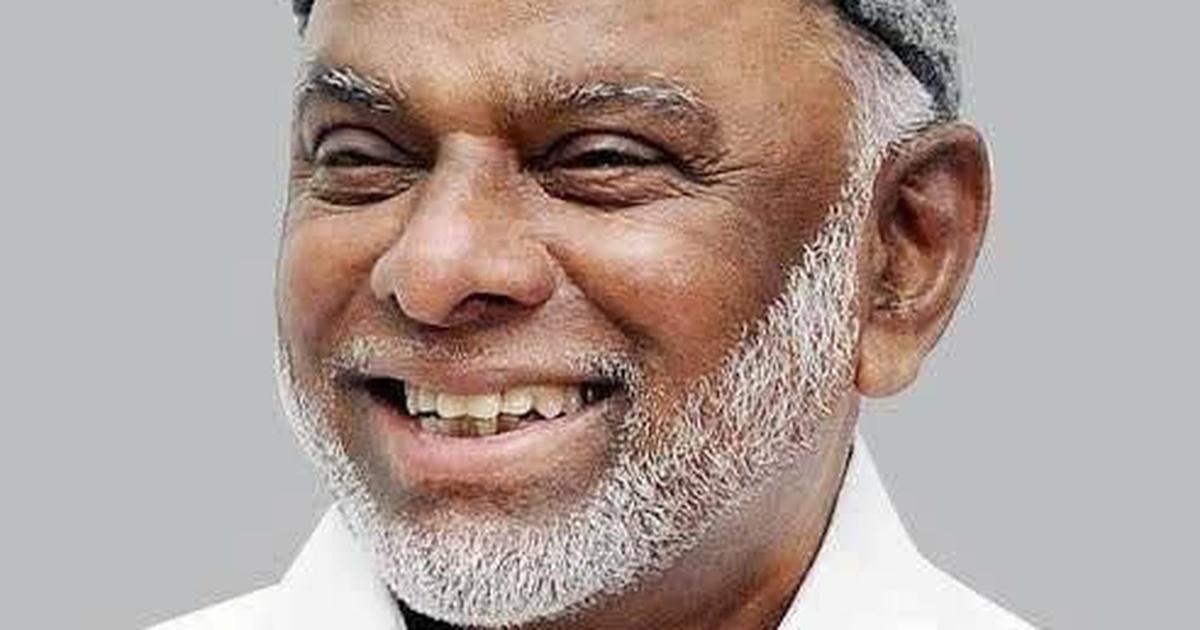
The Indian Union Muslim League (IUML) has officially severed its nearly sixty-year partnership with the Dravida Munnetra Kazhagam (DMK), a significant political shift following the recent Tamil Nadu Assembly elections. This decision was made during a general council meeting held on Friday, marking a pivotal moment in the political landscape of the state.
IUML leader Kader Mohideen expressed the party’s initial hopes that the DMK, under the leadership of Chief Minister MK Stalin, would reclaim power for a second consecutive term. He noted, “We worked diligently for that outcome during the election,” indicating the party’s commitment to the alliance. However, the IUML’s electoral strategy did not yield the expected results, as they managed to secure only two seats in the recently concluded elections.
As the results unfolded, it became evident that the Tamilaga Vettri Kazhagam (TVK), led by C Joseph Vijay, had emerged as the single-largest party with a total of 108 seats but fell short of the majority by ten seats. The IUML, recognizing the potential political vacuum that could arise, decided to extend its support to TVK to prevent a possible imposition of Governor’s Rule, which Mohideen suggested could have indirectly led to a BJP governance scenario.
The IUML’s decision to back the TVK indicates a shift in alliances that could reshape the Tamil Nadu political arena. The party’s endorsement of TVK’s ‘whistle’ symbol signifies a strategic pivot, aiming to capitalize on the momentum that the new party garnered during the election campaign. Mohideen acknowledged that the TVK’s appeal resonated across the state, attracting supporters eager for change.
This parting of ways marks a significant chapter in Tamil Nadu’s political history, as the DMK and IUML had partnered through various phases of the state’s political evolution since the 1960s. Observers now await to see how this new alignment will influence governance in Tamil Nadu and the broader implications for coalition politics in the region.