India’s Food Regulator Takes Action Against Misleading Claims: A Case Study of Britannia’s Milk Bikis
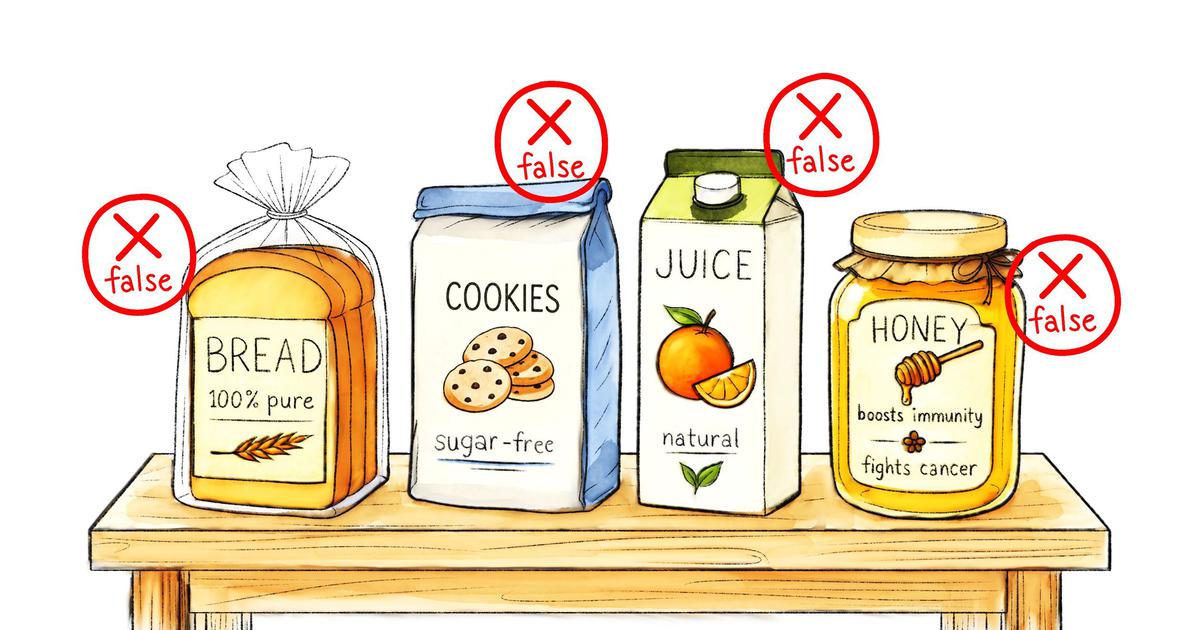
In a significant move highlighting the ongoing battle against misleading food claims in India, the Food Safety and Standards Authority of India (FSSAI) has flagged several products that may be deceiving consumers. Among these, a prominent example is Britannia’s Milk Bikis biscuits, which have faced scrutiny since their launch in 2021 for making bold nutritional claims. The saga surrounding these biscuits serves as a crucial reminder of the need for transparency in food marketing.
The issue began when Britannia introduced a new variant of its iconic Milk Bikis, touting it as being made from ‘100% atta’ and infused with the ‘doodh roti ki shakti’, equating it in nutritional value to traditional staples like wheat roti and milk. Such claims undoubtedly aimed to attract health-conscious consumers, but they raised immediate concerns among food safety regulators. In early January 2024, the FSSAI issued a notice to Britannia, questioning the legitimacy of these assertions and labeling them as potentially misleading.
As the matter progressed, it became apparent that the regulator was not satisfied with Britannia’s attempts to justify its claims. FSSAI’s extensive review revealed that the comparison made by the company between a processed product and freshly cooked food was inappropriate and misleading. In a formal response, the regulator stated that the claim ‘Dudh Roti ki Shakti’ could not be substantiated and should be withdrawn. Despite Britannia’s efforts to amend the product labeling, including submitting revised artwork to the FSSAI in February 2024, the changes were deemed inadequate. By March 2024, the regulator reiterated its stance, directing Britannia to remove the misleading claims entirely.
This incident is not isolated; it reflects a broader trend where numerous food brands in India have been caught making exaggerated claims about their products. In fact, a staggering 160 misleading claims were identified by the FSSAI in recent years, with about 120 still lingering in the marketplace. This raises questions about the effectiveness of current regulations and the need for stronger enforcement mechanisms to protect consumers from false advertising.
As consumers become increasingly aware of their dietary choices, the expectation for honest and clear labeling becomes paramount. The FSSAI’s proactive approach in scrutinizing food marketing practices is a step in the right direction, but it also highlights the responsibility of companies to maintain transparency and provide accurate information regarding their products. The Milk Bikis case serves as a crucial example of the challenges regulators face in balancing consumer protection with corporate interests in a rapidly evolving food industry.