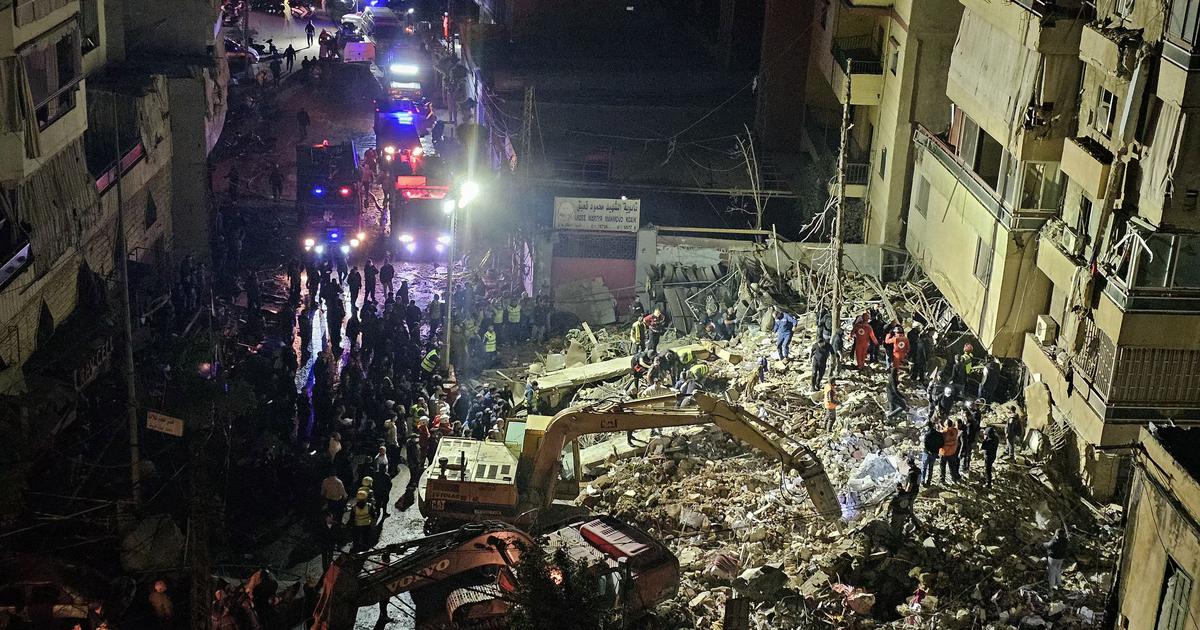
In a significant escalation of hostilities, Israeli forces conducted an airstrike in the southern suburbs of Beirut on Wednesday, reportedly eliminating a key commander of the militant group Hezbollah. This operation, confirmed by Israeli Prime Minister Benjamin Netanyahu, comes at a time when a U.S.-mediated ceasefire between Israel and Lebanon has been in effect since April 17.
The targeted Hezbollah figure, identified as Malek Balou from the elite Radwan Force, was killed in strikes that hit areas including Ghobeiri. Netanyahu stated that he, along with Defence Minister Israel Katz, authorized the military action aimed at neutralizing threats posed by Hezbollah, which has been accused of attacking Israeli settlements and endangering its soldiers. In a post on Telegram, Netanyahu articulated the stance that “no terrorist has immunity,” signaling Israel’s aggressive posture towards perceived threats.
This airstrike adds to a backdrop of mutual accusations of ceasefire violations between Israel and Hezbollah. Since the ceasefire began, both sides have leveled claims against each other, indicating a fragile peace that could easily collapse. The ongoing conflict has already claimed over 2,700 lives in Lebanon since March 2, according to official figures, highlighting the human cost of these continued skirmishes.
Simultaneously, U.S. President Donald Trump expressed optimism regarding a potential peace agreement with Iran, suggesting that the nation might be approaching a resolution in the prolonged conflict in West Asia. Speaking to PBS, Trump remarked on the possibility of a deal, though he tempered his enthusiasm by noting past experiences where similar sentiments did not materialize. His comments reflect the intricate geopolitical dynamics at play, where U.S. diplomacy continues to intertwine with regional hostilities.
As tensions mount, the implications of these developments resonate beyond the immediate region, drawing attention from global observers and analysts alike. The situation underscores the volatility of Middle Eastern politics, where a single incident can have far-reaching consequences. For India, which maintains a strategic interest in Middle Eastern stability due to its energy imports and diaspora, these developments warrant close monitoring.