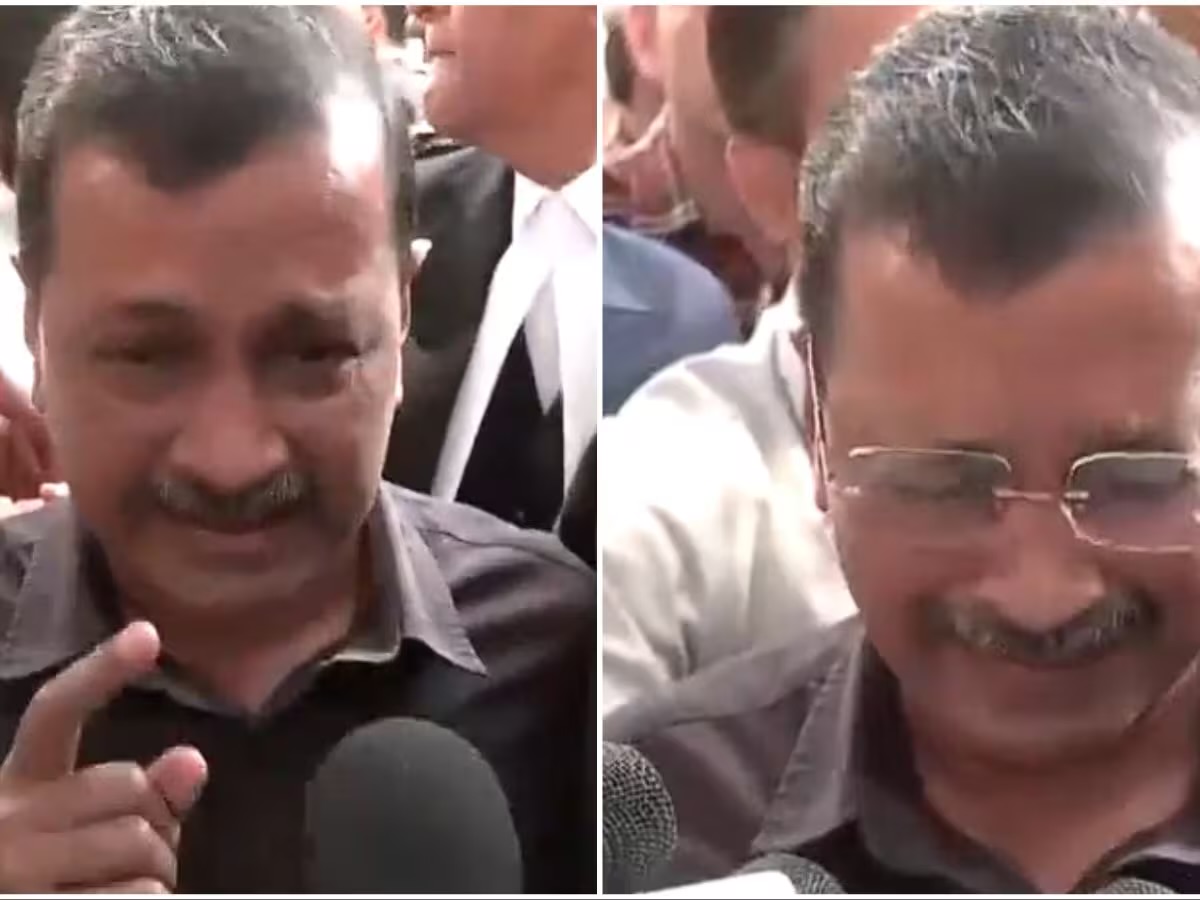
In a courtroom drama that has gripped India for over four years, the Rouse Avenue Court in Delhi delivered a bombshell verdict on February 27, 2026, discharging former Chief Minister Arvind Kejriwal, his deputy Manish Sisodia, and 21 others from the infamous Delhi Excise Policy corruption case. Labeling the Central Bureau of Investigation’s (CBI) probe as “premeditated and choreographed,” the court declared a glaring absence of any “overarching conspiracy or criminal intent.” This ruling not only exonerates key Aam Aadmi Party (AAP) figures but also exposes deep fissures in India’s investigative and judicial machinery, sparking a nationwide conversation on accountability, political vendettas, and the urgent need for reforms.
The saga began as an ambitious reform: the 2021-22 Delhi Excise Policy, designed by the AAP government to revolutionize liquor sales in the capital. By privatizing retail and introducing modern outlets, it promised to rake in ₹9,500 crore in revenue while curbing black marketing. Yet, what started as a policy innovation quickly devolved into a political quagmire. Allegations flew from opposition quarters, particularly the Bharatiya Janata Party (BJP), claiming favoritism toward certain wholesalers and illicit kickbacks. The AAP countered that the policy was sabotaged by rivals fearing its success, turning a governance move into a weaponized scandal.
As the dust settles on this discharge, one can’t help but ponder: Was this case ever about corruption, or was it a calculated strike against a rising political force? Kejriwal, who endured months behind bars, hailed the verdict as a “triumph of truth,” while the CBI wasted no time in appealing to the Delhi High Court, insisting the trial court ignored crucial evidence. Meanwhile, the parallel Enforcement Directorate (ED) money laundering probe lingers like a shadow, hinting that the story might not be over yet.
A Rollercoaster Timeline: From Policy Launch to Courtroom Victory
To grasp the full scope, let’s trace the twists and turns:
• November 2021: The excise policy rolls out amid optimism, with licenses distributed via lottery to foster fair competition.
• July 2022: Cracks appear as Delhi’s Chief Secretary flags irregularities, prompting Lieutenant Governor VK Saxena to call for a CBI inquiry. The policy is abruptly scrapped.
• August 2022: CBI launches an FIR against Sisodia and others, followed by raids and an ED money laundering case.
• February-March 2023: Sisodia’s arrest by both agencies marks the first major escalation.
• October 2023-March 2024: Kejriwal dodges ED summons, branding them politically motivated, culminating in his historic arrest as a sitting CM.
• May-June 2024: Interim bail for elections, surrender, and a CBI arrest while in custody.
• September 2024: Supreme Court bail, Kejriwal’s resignation as CM.
• February 2026: Discharge by Rouse Avenue Court, with CBI’s immediate appeal.
This chronology reveals a pattern of aggressive arrests followed by judicial pushback, raising eyebrows about the agencies’ zeal.
The Human Cost: Detentions, Dignity, and Doubts
Beyond the legal jargon, the case spotlights the human toll. Kejriwal spent over five months in jail, Sisodia nearly 18—periods that disrupted governance and personal lives. Legal minds argue that arrests hinge on prima facie evidence, but trials demand proof beyond reasonable doubt. Here, the court found the CBI’s case riddled with “lacunae and contradictions,” failing even the charge-framing stage. This begs original questions that demand answers:
1. If evidence was so flimsy from the start, why were pre-trial detentions allowed to drag on, potentially violating fundamental rights? Could mandatory judicial reviews after 60 days prevent such ordeals?
2. In high-profile political cases, how can we ensure investigative agencies remain impartial? Should a mandatory “neutrality audit” by an independent body be introduced before arrests?
3. What recourse do the accused have for reputational damage? Is it time for India to adopt a “vindication fund” that compensates individuals cleared after prolonged custody, similar to systems in the US or Canada?
4. With the ED case still active, does this discharge truly close the chapter, or is it just a pause in a larger political chess game? How might overlapping probes from multiple agencies be streamlined to avoid redundancy and harassment?
5. Looking broader, are India’s anti-corruption laws—meant to empower agencies—now enabling misuse? Could requiring public disclosure of evidence thresholds at the arrest stage restore public trust?
These questions aren’t just rhetorical; they stem from the case’s unique blend of policy innovation, political rivalry, and judicial scrutiny, urging us to rethink the system.
Echoes of Reform: Building a Fairer Judicial Future
The verdict has amplified calls for systemic change. Opposition leaders decry it as proof of “weaponized agencies,” while government supporters emphasize the appeal process. Experts, however, focus on solutions:
• Streamlined Probes: Enforce Law Commission recommendations for time-bound investigations, capping them at six months for non-violent cases.
• Oversight Mechanisms: Create a cross-party oversight committee for politically sensitive probes to curb bias perceptions.
• Bail Reforms: Make “bail as default” a reality with tech-enabled fast-track hearings, reducing jail time for the undertrial.
• Accountability Measures: Introduce penalties for agencies if cases collapse due to shoddy work, including internal audits and compensation clauses.
• Tech Integration: Use AI-driven case tracking to monitor delays, ensuring transparency from FIR to verdict.
As India evolves, cases like this serve as litmus tests for democracy. Kejriwal’s discharge isn’t just a personal win—it’s a wake-up call. Will we heed it, or let the cycle of arrests and acquittals continue? The answers lie in bold reforms that prioritize justice over theatrics.