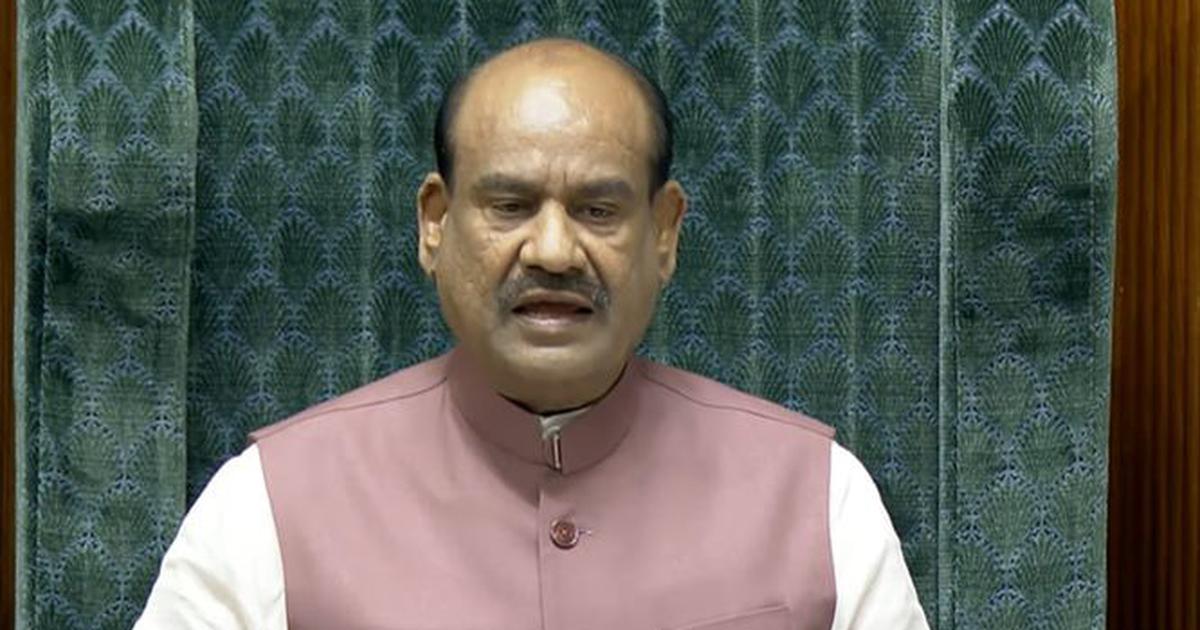
The Lok Sabha saw a turbulent session on Wednesday as the Opposition’s no-confidence motion against Speaker Om Birla was decisively rejected via a voice vote. The atmosphere in Parliament was charged with dissent, particularly following a heated debate surrounding the motion, which was introduced by the Congress party just a day earlier.
The Congress had alleged that Birla was biased in his role, claiming that his conduct posed a significant threat to the effective functioning of the House. According to the Opposition, the Speaker had previously blocked Leader of Opposition Rahul Gandhi from voicing his concerns during a session, made inappropriate comments towards women MPs, and even suspended several opposition members for an entire session, all for raising crucial public issues. These accusations painted Birla as someone who aligned too closely with the ruling party’s perspective on contentious matters.
Interestingly, this motion garnered support from 118 Opposition members, highlighting a collective discontent with Birla’s leadership. Despite this, the Speaker chose to recuse himself from the proceedings while the motion was deliberated, emphasizing the seriousness of the situation.
The uproar amongst members reached a peak when the resolution was put to vote, resulting in an overwhelming rejection by the House. The day’s proceedings ended with the House being adjourned as members voiced their disapproval through sloganeering.
It’s worth noting that this no-confidence motion had been anticipated since February 10, when Opposition MPs had first indicated their discontent. The growing frustrations stemmed from incidents where Gandhi was not permitted to complete his address on the Motion of Thanks to the President’s Address, signaling a broader concern regarding parliamentary decorum and the Speaker’s impartiality.