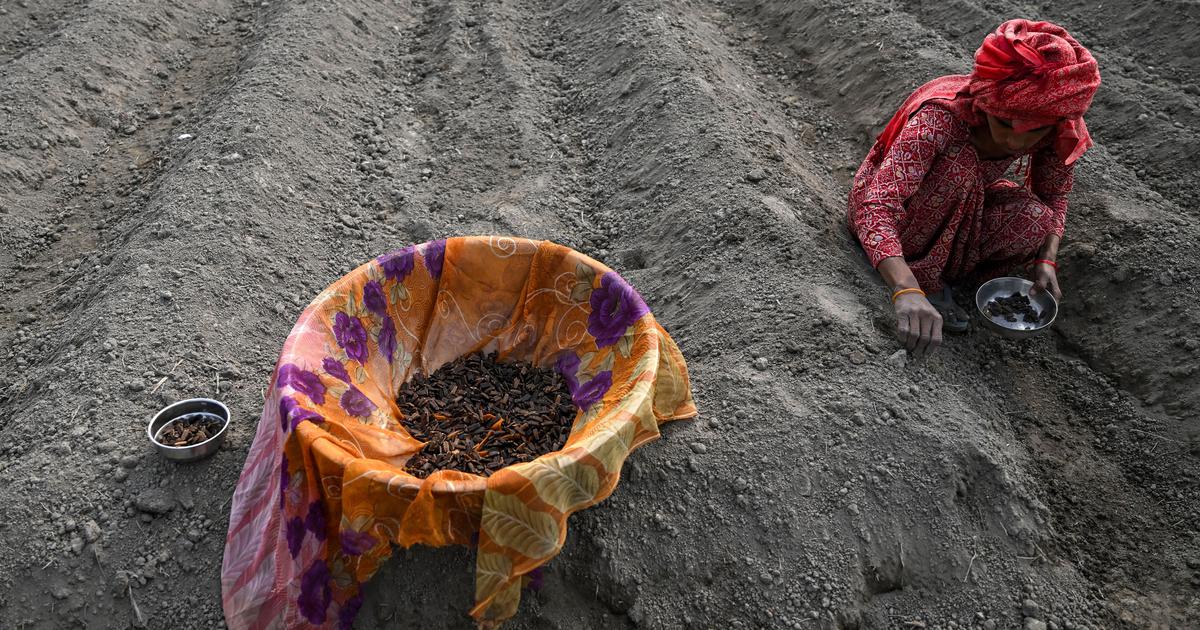
In a significant development for Indian agriculture, Union Agricultural Minister Shivaraj Singh Chouhan has announced plans to introduce a new Seeds Bill in the upcoming Parliament session. This proposed legislation aims to replace the existing Seeds Act of 1966, a relic from the era of the Green Revolution. The new bill is designed to enhance the regulation of seed quality available to farmers, granting considerable authority to the central government over the seed industry and, by extension, agricultural practices nationwide.
The draft of the Seeds Bill was made public in November for citizen feedback, but critics have noted the absence of a white paper that would clarify the government’s reasoning and policy intentions behind this significant shift. Chouhan has indicated that the bill primarily seeks to address mounting complaints from farmers regarding the subpar quality of seeds being sold in the market. This has raised concerns about diminishing crop yields and the overall agricultural sustainability in the country.
Support for the bill has been expressed by the private seed industry, which argues that the legislation will streamline processes and enhance the “ease of doing business.” Proponents believe that clearer regulations will benefit both seed producers and farmers by ensuring better quality products. However, this perspective is not universally shared. Numerous farmer organizations and activists have voiced strong opposition, warning that the proposed legislation could lead to greater corporate dominance in the seed market. This shift could threaten crop biodiversity and undermine traditional farming practices, including the vital role of community seed banks that preserve indigenous seed varieties.
Beneath this dispute lies a more profound concern regarding the constitutional authority of Parliament to enact such a law. Legal experts and critics have raised questions about whether the central government possesses the jurisdiction to regulate seed policies effectively, given the federal structure of India where agriculture is typically a state subject. This issue adds another layer of complexity to an already contentious topic, as states may view such central control as an infringement on their rights.
The prospect of this new Seeds Bill has opened up a crucial dialogue about the balance of power in Indian federalism, particularly as it pertains to agriculture—a sector that employs a significant portion of the population and is integral to the nation’s food security. As the bill moves towards legislative scrutiny, it will be essential for policymakers to consider the voices of farmers, the implications for biodiversity, and the governance structure that best serves India’s agricultural future.