AN INTERVIEW WITH MEDICO OF INDIAN AIR FORCE
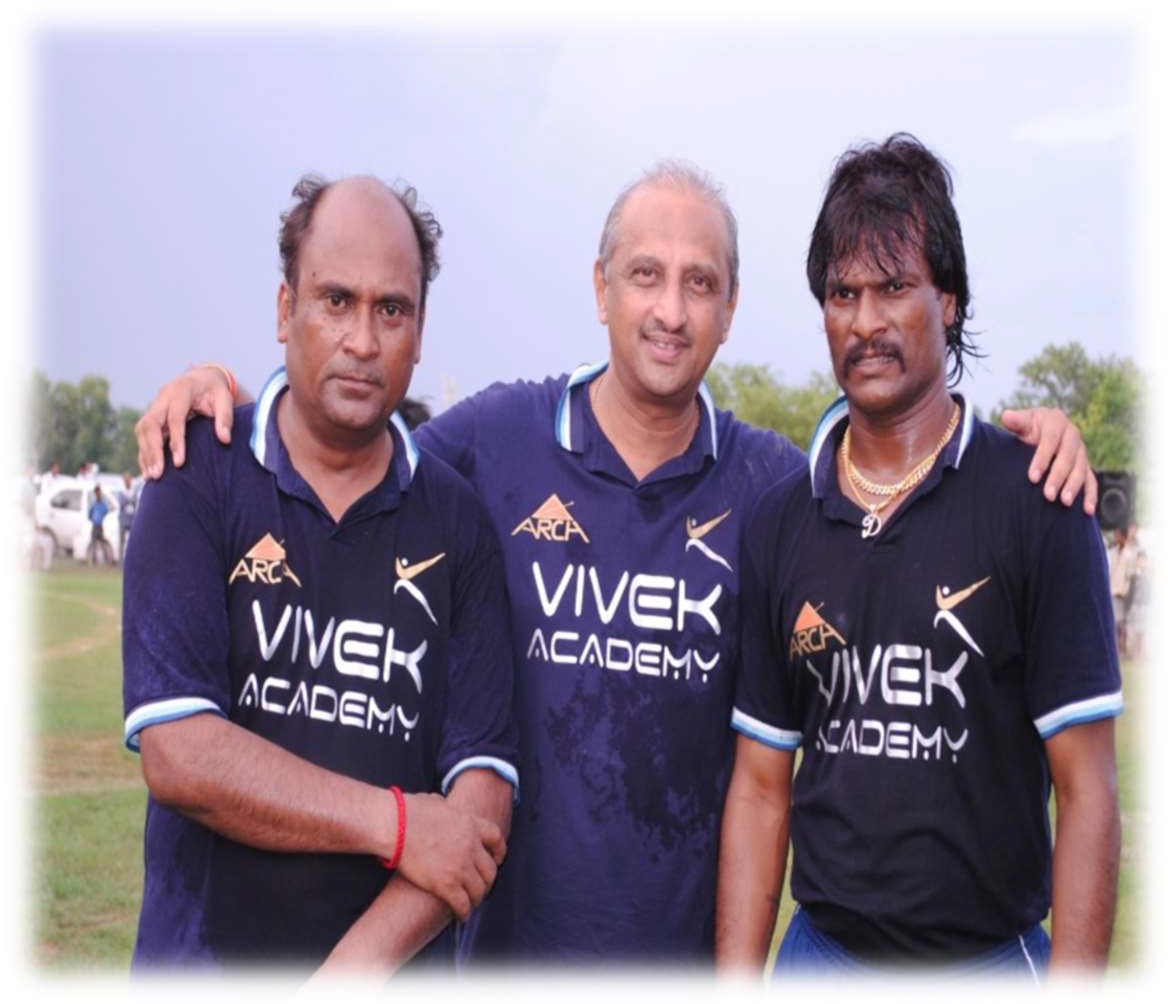
An Interview with a Medico of the Indian Air Force and His Views on Homoeopathy
By Sarthak Suvarna; IV BHMS 2024
Today, I was privileged to have the opportunity to interact with Dr. Jatin N. Valia, a Homoeopathic physician associated with sports medicine and healthcare initiatives. He has been associated with various sports teams and healthcare projects and has also been involved in social and community-oriented activities.
Dr. Valia has been associated with projects involving tribal healthcare and education, including initiatives in Talasiri. He has also received recognition from various organisations. Details regarding specific awards and professional associations should be understood in accordance with the relevant official records.
Filmfare Award and “Village of Lesser God”
Dr. Valia has been associated with the documentary “Village of Lesser God”, which highlights the hardships and challenges faced by people in Talasiri. The documentary and related recognitions have been an important part of his public work.
He has also participated in healthcare and community initiatives involving civilians and members of the armed forces. His stated objective has been to contribute to society through healthcare, education and humanitarian activities.
I have personally known him for quite some time. In person, he is jovial, witty, cheerful and generous. His sense of humour and straightforward approach make conversations with him particularly interesting.
Thank you, sir, for sparing your valuable time for me. I feel privileged to have had the opportunity to interview you.
Interview
Interviewer: Let me commence with the most harmless question — why Homoeopathy?
Dr. Valia: Because I am qualified and educated in the field of Homoeopathy.
Interviewer: You often relate Homoeopathy with nanotechnology. Can you please share your brief insights in this context?
Dr. Valia: This is something I have learnt from other practitioners and researchers of Homoeopathy. There are people in the country who are working on these lines, so I read about their work, study it and learn from them.
Interviewer: As a Homoeopathic student, I know that many of the principles we study have a long history. Do you think we need to upgrade the techniques of Homoeopathy in this fast-paced world while preserving its basic principles?
Dr. Valia: First of all, let us study and comprehend the fundamentals. If we understand what you term as old, then we will be better placed to introduce new research and discoveries. I do not think we know the old material well enough. Let us understand that first and then think about upgrading it.
Interviewer: What change should there be in our education system? What is your perspective?
Dr. Valia: I believe it is a cause-and-effect situation. The cause may involve either the student or the teacher. Either the teacher is not interested in imparting knowledge or the student is not willing to obtain it. I feel the precedence must commence with the teacher in order to inculcate knowledge and inspire students to learn and practise Homoeopathy.
Interviewer: How are you planning to make this correction?
Dr. Valia: I left college, so now I cannot fail anymore. (laughs)
Interviewer: Sir, can you share your journey and challenges, and one memorable experience from your professional life?
Dr. Valia: There is no such thing as magic. I believe healthcare should be approached scientifically and responsibly. Every individual has his or her own abilities. I have had some remarkable cases, but I do not consider them something to boast about. I believe it is simply my duty to pursue my work with passion.
Interviewer: As per your viewpoint, how have we fared in Homoeopathy in Bharat and globally?
Dr. Valia: Globally, I cannot comment comprehensively, but in Bharat there has been considerable development and recognition of Homoeopathy. Having said that, there is still a lot to accomplish. If practitioners and researchers work together to address the limitations of the field, we can contribute more effectively to healthcare and society.
Interviewer: What is your next vision?
Dr. Valia: I do not even have a vision for today. My next vision is going to the clinic tomorrow morning. (laughs)
Interviewer: Every thinker, intellectual and accomplished person intends to share knowledge with the world in one way or another. How do you intend to impart your knowledge and experience to aspiring Homoeopaths?
Dr. Valia: I do not know why that question comes to me. I am neither an intellectual nor a thinker or a “persona extraordinaire.” Let me become all of that first. (laughs)
There is no secret as such. You have to keep practising and studying. Consistency is the key. Learn from your failures. Develop a never-give-up attitude and have conviction in yourself. Be open to discussion with colleagues and professionals and remain willing to learn.
If you follow these practices, things can improve day by day — for the doctor, the patient, the science and society.
Students should not focus only on earning money. There is nothing wrong with building a successful career, but knowledge, professional responsibility and patient welfare should remain important priorities.
Interviewer: How would you encourage future Homoeopathic aspirants to pursue Homoeopathic practice when they may also be interested in other medical disciplines?
Dr. Valia: Why does everyone need to practise only one particular system? If a medico is good in another mode of medical practice, there is nothing inherently wrong with pursuing that career, subject to applicable laws and professional qualifications. The important point is that whatever a practitioner chooses should be in the interest of the patient and should be pursued honestly, responsibly and with discipline.
Learning must never cease. I still consider myself a student and continue to study and learn from my cases. Practitioners should also be willing to consult colleagues when necessary and should have the courage to acknowledge their mistakes.
Interviewer: If you had an opportunity to go back to your learning days and choose between Allopathy and Homoeopathy, what would you choose?
Dr. Valia: First of all, I think I could have been a better student. If I had studied harder, smarter and more devotedly, I could have been a better pupil. That is something I would like to improve, and therefore I continue studying even today.
Interviewer: So, if given an opportunity, would you choose Allopathy or Homoeopathy?
Dr. Valia: People enter different fields for different reasons. What matters is that practitioners remain committed to learning and provide responsible care within their qualifications and scope of practice.
Interviewer: So, what is your secret to success in Homoeopathy?
Dr. Valia: Who said I have made it big? I am still learning. All I aim to do is some good work for society and for my country.
Interviewer: How can a Homoeopathic practitioner build a successful career and income?
Dr. Valia: You should ask those people who are already doing that. In my view, the focus should not be on a particular income figure. A practitioner should concentrate on good, ethical and honest practice. If the quality of work is good, professional growth can follow.
Interviewer: Can you share your thoughts on how a student can commence a career as a Homoeopath and succeed in today's times?
Dr. Valia: You should commence from your first year of admission. Study hard and sincerely. Do not study merely to secure a degree. Study to obtain knowledge and to become a good doctor, rather than being focused only on money.
There is nothing wrong with making money, and I truly wish every Homoeopath can build a financially successful career. At the same time, professional ethics, patient welfare and scientific responsibility should not be compromised.
Interviewer: What do you think are the limitations of Homoeopathy and how can they be addressed?
Dr. Valia: In my opinion, there are several limitations. Firstly, there are challenges related to standardisation and research. Secondly, there are limitations in the educational system. Thirdly, differences and disagreements among practitioners can affect collective progress.
We need to address these issues and work together. These are strictly my personal views.
Interviewer: Do you think Allopathy and Homoeopathy should work together towards the common goal of human health?
Dr. Valia: Every healthcare system has its own strengths and limitations. We must acknowledge both. The patient must always remain the priority, rather than professional ego.
Different medical practitioners can contribute in different ways, subject to their qualifications, evidence, professional standards and applicable regulations. Respectful collaboration can benefit patients and society.
Sports and Professional Journey
Interviewer: You have been associated with sports healthcare. Could you share your journey in this field?
Dr. Valia: Every individual has his or her own area of ability. I received opportunities to work in sports. I do not consider it a grand accomplishment, but representing or serving alongside Indian sporting teams is certainly a memorable experience.
On Cancer Treatment
Interviewer: Some people claim that cancer can be treated with Homoeopathy. What is your view?
Dr. Valia: I do not treat cancer cases with Homoeopathy. Whenever I encounter a cancer case, I refer the patient to appropriate oncology services. I do not claim expertise in treating cancer through Homoeopathy.
Interviewer: Thank you once again for your valuable time. I am sure your views will provide useful perspectives to budding medicos.
Dr. Valia: Thank you too. God bless you, and I truly wish you become an amazing doctor and contribute to our country.
SARTHAK SUVARNA
IV BHMS 2024
VIRAR HOMOEOPATHIC MEDICAL COLLEGE; VIRAR
Editorial Note: This article presents the interviewee's personal views and experiences. Statements concerning professional appointments, awards, affiliations and recognitions should be independently verified through relevant official records. Medical claims and treatment decisions should be evaluated on the basis of established scientific evidence and advice from appropriately qualified healthcare professionals.