Col Ajai Lal on Leadership, Army Lessons and Success: “Responsibility Over Authority”
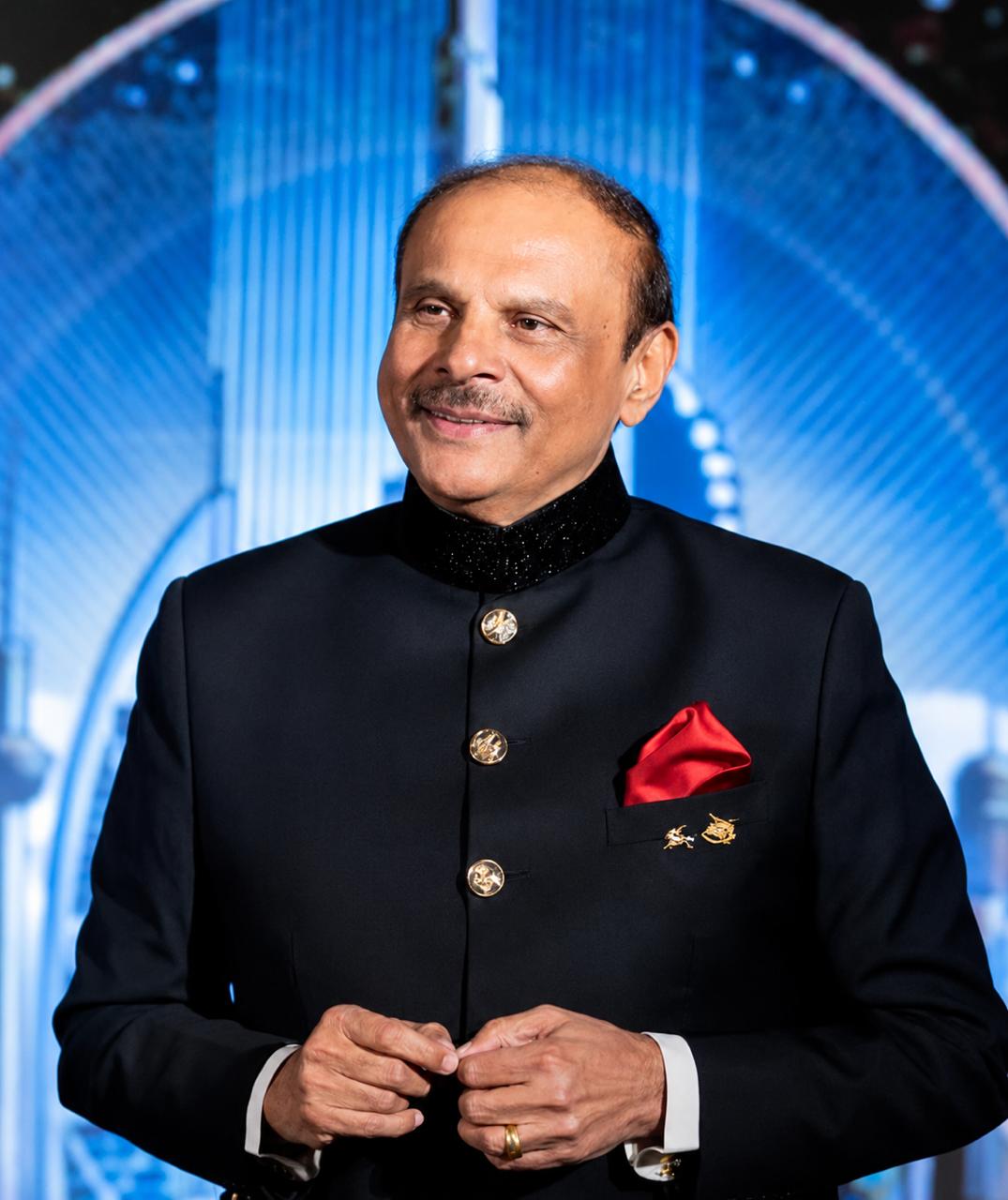
Professional Doctorate in Strategic Leadership and Organisational Transformation | Transformational Leadership Coach & Mentor | Former Chief Business Officer – NIIT Ltd | Colonel (Veteran) – Indian Army | Former Senior Military Observer – United Nations | International Radio Host | TEDx Speaker | Author | Advisory Board Member
Col Ajai Lal Interview: From Army Leadership to Corporate Success and Purpose
In an exclusive interview, Col Ajai Lal shares lessons from the Army, corporate leadership and coaching on responsibility, purpose, success, failure and legacy.
1. Looking back at your Army journey, what was the most important lesson you learned about yourself?
The Army taught me that I am at my best when I am responsible not just for my own performance, but for the success and well-being of others. I discovered that leadership brings out a deeper sense of purpose in me. I learned that my greatest strength is not what I can accomplish myself, but what I can enable others to accomplish. That realisation has shaped much of who I am today—as a leader, coach and mentor.
2. Was there a particular moment in your military career when you realised that leadership is more about responsibility than authority?
Commanding soldiers makes this very clear. The moment you realise that people are trusting you with their lives, their families and their future, authority takes on a completely different meaning. You begin to understand that the privilege of command is inseparable from the responsibility that comes with it. The rank gives you authority; the responsibility earns you respect. That distinction has stayed with me throughout my corporate and coaching journey.
3. Army life involves discipline and structure, but it also demands flexibility in unexpected situations. How did you learn to balance discipline with adaptability?
The Army taught me that discipline is the foundation, not the destination. You train rigorously so that when the unexpected happens, you have the confidence, muscle memory and clarity to adapt. I learned that you need to be relentlessly stubborn about the mission, but agile during the process. You cannot quit simply because the going gets tough or circumstances change. Be uncompromising about the outcome and your principles, but flexible, creative and agile in finding the way forward.
4. What is one decision you made during your Army career that was difficult at the time but taught you a lesson you still carry today?
Some of the hardest decisions were those where there was no perfect answer—only a choice between competing priorities. I learned that a leader must sometimes make an unpopular decision because it is the right decision for the team and the mission. Leadership is not about making everyone happy; it is about having the courage to do what is right and then owning the consequences. You must have the courage to make the call rather than seek consensus simply to make yourself comfortable.
5. How did your relationships with your team members and colleagues in the Army differ from relationships you experienced in the corporate world?
The Army creates an extraordinary sense of belonging because you share hardship, uncertainty and responsibility together. Soldiers are often asked, “What made you willing to risk your life for your comrade?” The answer is remarkably simple: “Because I knew he would have done exactly the same for me.” That spirit of sacrifice and mutual trust is what sustains a mission, even in the most difficult circumstances.
But I was also fortunate to experience something very special in the corporate world at NIIT. The Founders had instilled very strong values, and those values created an incredible sense of bonding and belonging. It reinforced for me that relationships in the corporate world do not necessarily have to be transactional—although in some organisations they can become so.
Ultimately, whether in the Army or the corporate world, the principle remains the same: people will go the extra mile for a leader and for each other when there is trust, respect and a genuine sense of belonging—not merely because someone occupies a higher position.
6. What did the transition from wearing the uniform to working in a corporate environment teach you about identity, purpose, and starting a new chapter in life?
It taught me that your uniform may change, but your values need not. For 25 years, the uniform was almost my second skin. And in the Army, you are identified not by a corporate title but by your rank and the responsibility that comes with it.
Leaving the Army therefore meant letting go of an identity I had carried for a quarter of a century. But I discovered that a new chapter does not mean abandoning your past. It means carrying forward the values, experiences and lessons that still serve you—and having the courage to reinvent yourself.
7. In your opinion, what makes an organisation truly successful—strong leaders, talented people, discipline, culture, or a shared sense of purpose?
All of these matter, but if I had to choose one, it would be shared purpose. Strong leaders create direction, talented people create capability, discipline creates execution and culture creates consistency. But purpose gives people a reason to bring their best to the table.
As the saying goes, “He who has a strong why can bear almost any how.” When people believe in what they are doing and, more importantly, why it matters, extraordinary performance becomes possible.
8. Young people today have tremendous career choices. How should they decide whether to pursue money, stability, passion, purpose, or a combination of these?
I would not ask them to choose between these too early. Build capability first, pursue what energises you, create value for others, and allow purpose to evolve with experience.
Money and stability are important, as are passion and purpose. But if they become the only measures of success, you may eventually discover that you have built a successful life that does not feel fulfilling. The real goal, I believe, is to build a life where success and fulfilment eventually meet.
9. What is one habit or mindset that you strongly recommend young people develop today, particularly in an age of smartphones, social media, and instant gratification?
Develop the ability to pause. We live in a world that constantly demands our attention and rewards instant reaction. Learn to step away from the noise, think deeply, read, listen and reflect before responding.
The ability to focus in a distracted world will become one of the greatest competitive advantages of the next generation. Not every message needs an immediate response, and not every opportunity deserves your attention.
10. After all your years in the Army and corporate world, what do you wish more young professionals understood about success and failure?
Success and failure are both temporary teachers. Do not let success go to your head and do not let failure go to your heart. What matters is what you learn, how you respond and whether you become better because of the experience.
But I would also make an important distinction between success and significance. Success is often about what you achieve for yourself; significance is about the difference you make to others. Ultimately, success is not just about how high you rise—it is about the impact you create, the people you lift and the legacy you leave behind.
11. If your career had a title—like a book or a movie—what would you call it, and why?
“From War Room to Boardroom: A Life of Purpose.”
Because my journey has taken me from commanding tanks and soldiers, through domestic & international business leadership, to coaching and mentoring leaders today. The environments changed—from the war room to the boardroom to the coaching room—but the underlying thread remained constant: leadership, people, purpose and the responsibility to make a difference.
For me, the journey has never really been about the positions I held. It has been about the people I served, the leaders I enabled and the difference I could make along the way.
To sum up, three themes come out strongly through my journey:
• Responsibility over authority — a powerful thread from Army command through corporate leadership and coaching.
• Relentless about the mission, agile about the process — this is a very strong leadership philosophy.
• Success → Significance → Legacy — which connects with my broader leadership philosophy and emphasis on impact that outlives your presence.