How to Fight like Gandhi
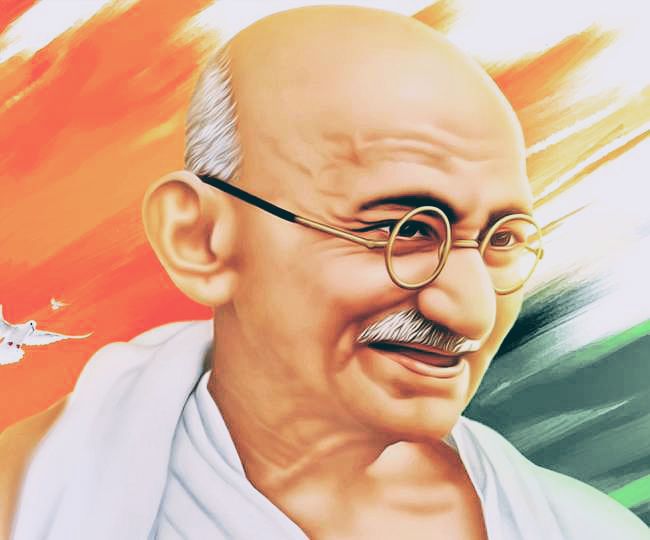
Mahatma Gandhi: The Unorthodox Methods That Shaped His Fight Against Injustice
In the late 19th century, Mohandas Karamchand Gandhi began experiencing the racial discrimination that would later influence his philosophy of non-violent resistance. One of the most well-known incidents took place in 1893 in South Africa.
Gandhi was traveling in a first-class railway compartment when a white passenger objected to his presence and called for railway officials. Despite Gandhi having a valid first-class ticket, he was asked to move to a lower-class compartment.
Gandhi refused, pointing out that he had purchased a first-class ticket. Railway officials eventually removed him from the train. He spent the night at the railway station in Pietermaritzburg, an experience that became an important turning point in his life.
The incident exposed Gandhi to the racial discrimination prevalent in South Africa at the time. It also strengthened his determination to challenge injustice through organised and non-violent resistance.
Gandhi and the Philosophy of Non-Violence
Mohandas Karamchand Gandhi was a barrister, writer, social reformer and political leader. He became one of the most influential figures in India's freedom movement and is widely associated with the principles of Ahimsa (non-violence) and Satyagraha (holding firmly to truth).
Gandhi opposed British rule in India while also speaking against social discrimination and injustice within Indian society. He believed that resistance did not necessarily require physical violence and that moral courage, discipline and collective action could challenge powerful institutions.
For Gandhi, non-violence was not simply the absence of physical force. It required determination, self-discipline and a willingness to confront injustice without hatred or revenge.
Influence of Religion and the Bhagavad Gita
Gandhi studied and drew inspiration from several religious and philosophical traditions. Among the texts that influenced his thinking was the Bhagavad Gita, which he interpreted as a guide to duty, self-discipline and action without attachment to personal rewards.
His ideas evolved through years of experimentation and public life, eventually becoming central to India's freedom struggle.
Gandhi's approach demonstrated that political resistance could take forms beyond conventional confrontation. Through non-cooperation, civil disobedience, peaceful protest and other forms of mass mobilisation, he helped bring millions of Indians into the freedom movement.
His methods and philosophy continue to be discussed and debated around the world, particularly in conversations about non-violent resistance, civil rights and social change.