India Approves First Dengue Vaccine: Key Facts and Guidelines for Public Awareness
India Approves First Dengue Vaccine Qdenga; Public Health Experts Emphasise Continued Prevention
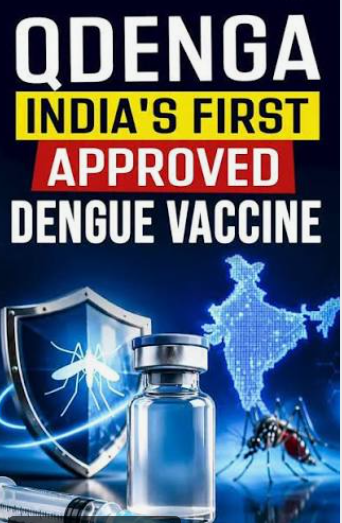
NEW DELHI, India — July 29, 2026 — India’s Central Drugs Standard Control Organisation (CDSCO) has granted marketing authorisation for Qdenga, making it the country’s first approved dengue vaccine. As dengue continues to pose a significant public health challenge, particularly during the monsoon season, health experts emphasise that vaccination should complement existing mosquito-control and preventive measures.
What the Public Needs to Know About the Dengue Vaccine
• Who Can Get Vaccinated: Qdenga has been approved in India for the prevention of dengue disease in individuals aged 4 to 60 years.
• Prior Dengue Infection: The vaccine is approved for use in eligible individuals regardless of previous dengue exposure.
• Protection Against Dengue Serotypes: Qdenga is a tetravalent dengue vaccine designed to provide protection against the four major dengue virus serotypes.
• Effectiveness: Clinical studies have shown that the vaccine can reduce the risk of dengue-related hospitalisation and disease, although it does not eliminate the need for mosquito-bite prevention and other public-health measures.
• Availability: The vaccine is expected to become available in India through private healthcare providers in 2027, subject to rollout and commercial availability.
Key Medical Insights and Preventive Guidelines
Medical experts emphasise that vaccination is an important advancement in dengue prevention, but everyday preventive measures remain essential to reduce mosquito breeding and transmission.
Actionable Steps for Mosquito Control and Dengue Prevention
1. Eliminate Stagnant Water: Check areas around the home regularly, including coolers, flower pots, tyres and water-storage containers, and remove standing water where Aedes mosquitoes can breed.
2. Personal Protection: Use suitable mosquito repellents and wear light-coloured, long-sleeved clothing to reduce exposure to mosquito bites.
3. Recognise Warning Signs: Seek immediate medical attention if dengue symptoms become severe, including persistent vomiting, severe abdominal pain, bleeding, breathing difficulty or extreme weakness.
4. Consult Healthcare Providers: Individuals should speak with qualified healthcare professionals to understand their personal health needs and vaccination eligibility as the vaccine becomes available.
Health authorities continue to emphasise that vaccination should work alongside mosquito-control measures, early diagnosis and timely medical care. The public is advised to follow official health guidance and consult healthcare professionals for individual vaccination decisions.