INDIA CONFRONTS EPIDEMIOLOGICAL SHIFT: PUBLIC HEALTH FOCUS EXPANDS FROM TUBERCULOSIS TO LIFESTYLE NON-COMMUNICABLE DISEASES (NCDs)
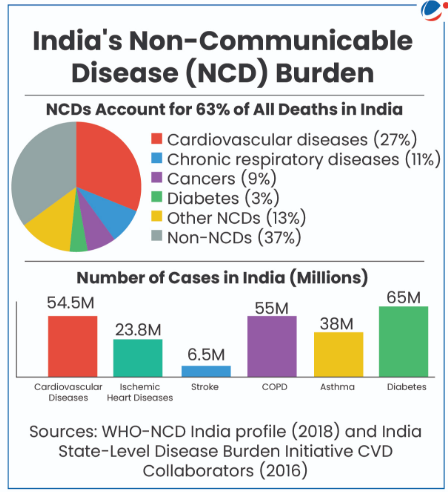
NEW DELHI, INDIA: India is undergoing a significant epidemiological transition, with the country’s disease burden shifting over the past three decades from infectious diseases such as tuberculosis (TB) and malaria towards non-communicable diseases (NCDs), including cardiovascular diseases, diabetes, chronic respiratory diseases and cancers.
The Paradigm Shift in Numbers
According to data cited from the Indian Council of Medical Research (ICMR) study India: Health of the Nation's States, the proportion of total deaths in India attributed to NCDs increased from 37.9% in 1990 to 61.8% in 2016. The figures highlight the growing importance of chronic diseases in the country's overall health burden.
The standard measure of health loss, Disability-Adjusted Life Years (DALYs), also indicates an increase in the contribution of several major NCDs:
- Ischemic heart disease: Increased from 2.9% to 6.6%.
- Diabetes: Increased from 0.7% to 2.2%.
- Chronic respiratory diseases: Increased from 2.7% to 4.4%.
While infectious diseases such as tuberculosis have historically been a major focus of public health programmes, NCDs are increasingly associated with risk factors including unhealthy diets, physical inactivity, tobacco use and alcohol consumption.
Government Interventions and Primary Care
To address the changing disease burden while continuing efforts against infectious diseases, the Government of India has expanded programmes under the National Programme for Prevention and Control of Non-Communicable Diseases (NP-NCD).
- Population-based screening: Health programmes include screening for diabetes, hypertension and common cancers, including oral, breast and cervical cancers, among eligible population groups.
- Ayushman Arogya Mandirs: Primary healthcare facilities provide preventive care, screening services and lifestyle counselling.
- Grassroots outreach: Frontline health workers, including ASHAs and ANMs, support community-level health screening and awareness activities.
- Lifestyle initiatives: Programmes such as the Fit India Movement and healthy-eating initiatives complement efforts to encourage healthier lifestyles.
Importance of Preventive Healthcare
Health authorities and experts have emphasized the importance of early detection and preventive healthcare in addressing NCDs. Eligible adults are encouraged to make use of available screening services through government primary healthcare facilities and Ayushman Arogya Mandirs.
Regular health checks, a balanced diet, physical activity and avoiding tobacco and excessive alcohol consumption can contribute to reducing the risk of several chronic diseases.
Note: Statistical figures and programme details should be cross-checked with the latest official Ministry of Health and Family Welfare, ICMR or PIB sources before publication, as health data and programme guidelines may be updated.