Jalpaiguri town station
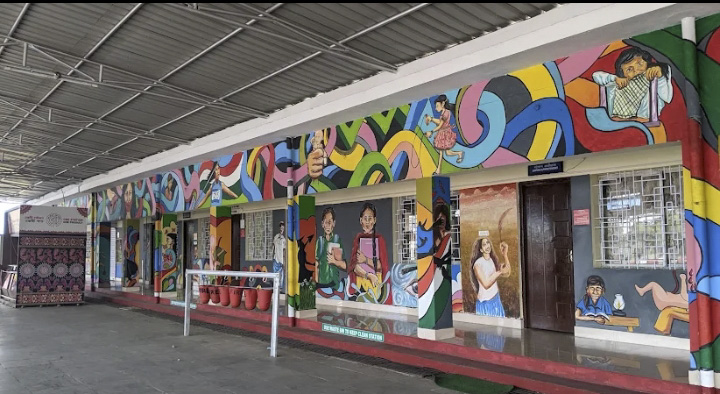
The history of Jalpaiguri Town Station and its neighboring accommodations is deeply intertwined with the British colonial period, when Jalpaiguri served as the critical strategic nucleus and divisional headquarters of North Bengal.
Jalpaiguri Town Station History
Opened in 1878 under the Bengal-Assam Railway, Jalpaiguri Station (JPG) is one of the oldest railway stations in the heart of the town. During the British era, this station played an invaluable logistical role:
• The Route to the Hills: It served as a prominent stop on the historical broad-gauge Calcutta–Siliguri trunk route.
• The Tea Connection: Passengers—predominantly British officers, planters, and elite travelers heading toward Darjeeling or the Dooars tea gardens—would transition through this sector. The iconic Darjeeling Mail historically utilized this line.
• Trisected by History: Following the partition of India in 1947 and the Indo-Pakistani War of 1965, the old transnational transit routes were permanently closed, shifting local prominence toward New Jalpaiguri (NJP) and the local Haldibari line.
The British-Era Accommodations & Pice Hotels
During the late 19th and early 20th centuries, the area surrounding the Town Station and nearby traditional quarters (like Kadamtala, Nutan Para, and Temple Street) saw the emergence of classic boarding houses and "pice hotels" to cater to transiting officers, court lawyers, and merchants.
• The Culture of "Niwas" & Boarding Houses: Establishments like Ruby Boarding and Ruby Pice Hotel (operating since 1946 near Temple Street/Nutan Para) reflect the heritage of early-mid 20th-century stays. These spots originally offered budget-friendly, authentic Bengali meals and basic lodging to travelers arriving straight from the train.
• Colonial Layout: The surrounding core town is characterized by its stately, British-style bungalows, old district courts, and historic gardens designed to mimic the home environment of British colonial administrators.
If you are trying to locate a specific property, could you share the exact street name or current landmark it is near? I can also provide details on how to visit the nearby historic Rajbari Palace complex if you would like to explore the town's older history