Jharkhand Student Protest Intensifies as Government Announces Fresh Talks
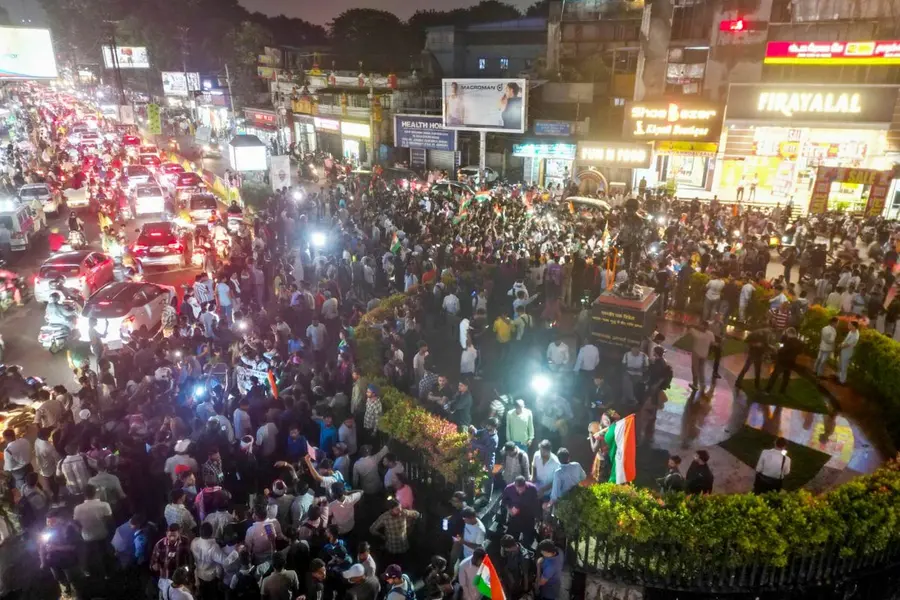
Jharkhand Student Protest Enters 16th Day as Government Announces Fresh Talks
The ongoing student protest in Jharkhand over alleged irregularities in recruitment examinations has entered its 16th day, with the state government announcing a fresh round of talks after the health of fasting student leaders reportedly deteriorated.
The agitation, led by aspirants of the Jharkhand Public Service Commission (JPSC) and Jharkhand Staff Selection Commission (JSSC), has drawn attention as students continue to demand greater transparency and accountability in the recruitment process.
Student leader Devendra Nath Mahto, who has reportedly been on an indefinite hunger strike for nearly a week, is said to be in poor health. According to medical information cited in reports, he is suffering from dehydration, while concerns have also been raised over his blood sugar and blood pressure levels.
Despite his reported health condition, Mahto has said that the protest will continue until the government takes concrete steps to address the students' concerns.
In response to the ongoing agitation, the Jharkhand government has scheduled another round of discussions with representatives of the protesting students. Officials have indicated that the talks are aimed at addressing the aspirants' concerns regarding alleged irregularities in recruitment examinations and finding a way forward.
Previous meetings between government representatives and protest leaders have reportedly remained inconclusive, with students seeking written assurances rather than verbal commitments.
The protesters are demanding the cancellation of several recruitment examinations conducted after 2019, including the JSSC CGL, JSSC JE and PGT examinations. They have also sought a CBI investigation into the alleged irregularities, action against those found responsible, release of category-wise cut-off marks, OMR sheets and response sheets, and implementation of a fixed annual recruitment calendar similar to those followed by UPSC and SSC.
The state government has also invited suggestions from students and other stakeholders through a dedicated email platform as part of efforts to improve transparency in future recruitment processes.
However, student organisations have maintained that the agitation will continue until concrete decisions are announced and their key demands are addressed.
With concerns over the health of fasting student leaders and continued pressure from the protesting aspirants, the upcoming talks could play an important role in determining the next course of the agitation.
Both the government and the protesting students now face the challenge of finding a meaningful resolution while addressing concerns over transparency and restoring confidence in the state's recruitment process.